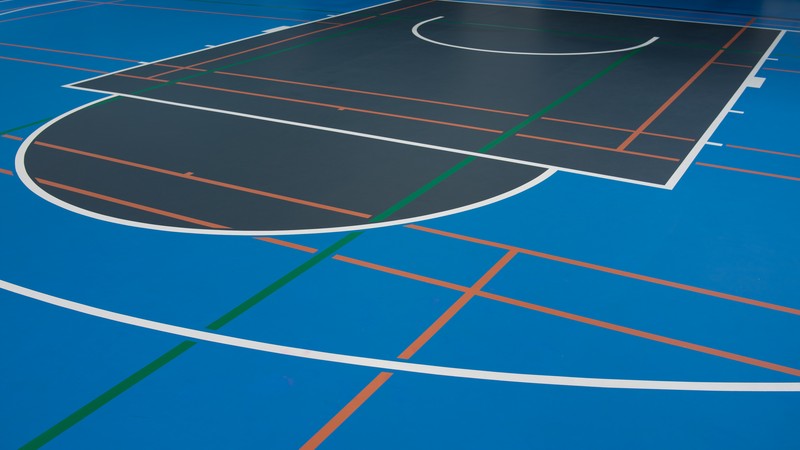
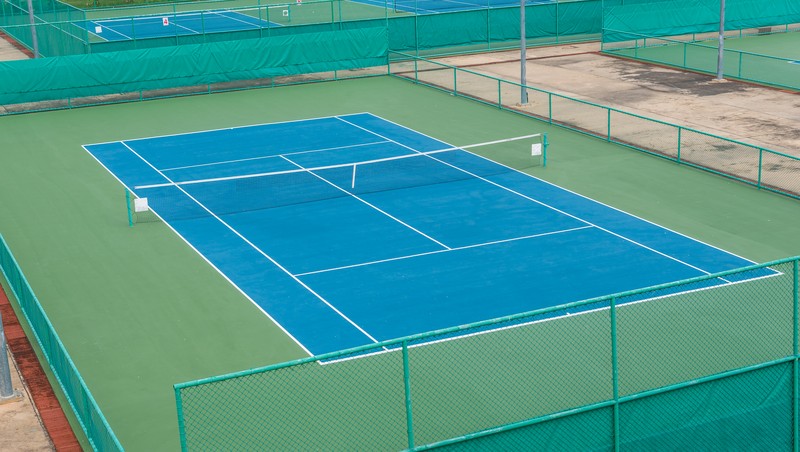
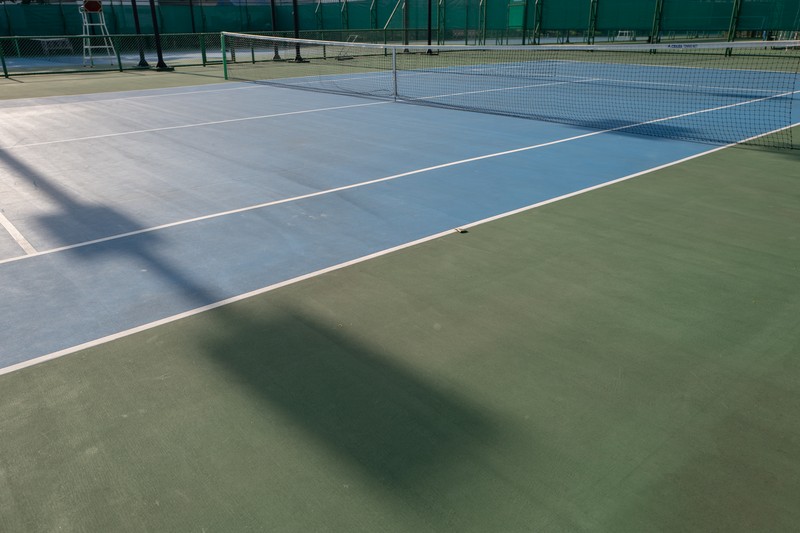
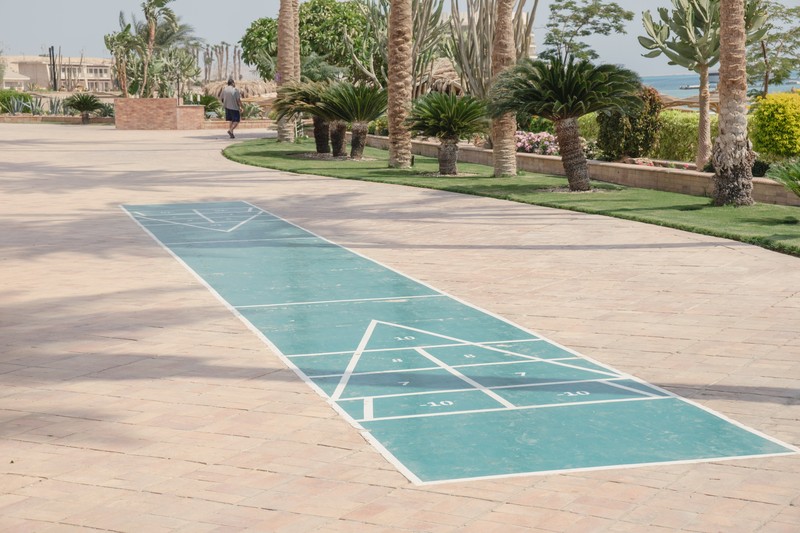
Quick Summary South Florida’s climate, marked by intense UV exposure, heavy seasonal rainfall, persistent humidity, and occasional tropical storms, significantly affects outdoor sport court surfaces. UV rays cause color fading, heat causes expansion-related cracking, heavy rain demands strong drainage design, and humidity encourages algae growth. Tennis, pickleball, basketball, and shuffleboard […]
Read More
Quick Summary Preparing a basketball court for professional resurfacing involves assessing existing damage, clearing the area, deep cleaning to remove algae and debris, repairing cracks with flexible fillers, correcting drainage issues, confirming court dimensions, and scheduling around stable weather conditions. Skipping any of these steps risks premature coating failure, trapped […]
Read More
Quick Summary Pickleball court surface options include acrylic-coated asphalt, acrylic-coated concrete, modular sports tiles, interlocking tile systems, and cushioned acrylic systems, each offering different tradeoffs between cost, durability, and player comfort. Acrylic-coated asphalt remains the most budget-friendly and widely used choice, while modular and cushioned systems appeal to facilities prioritizing […]
Read More
Quick Summary Commercial basketball courts perform best when the surface is paired with the right accessories, including adjustable systems, break-away rims, durable backboards, pole padding, slip-resistant coatings, accurate striping, scoreboards, fencing, lighting, seating, and shade structures. These additions improve safety, extend usability into evening hours, support organized play, and reduce […]
Read More
Quick Summary Professional court resurfacing involves inspection, pressure washing, crack repair, leveling, acrylic resurfacing, color coating, line striping, and curing time, with each step designed to restore playability and extend the surface’s life. Skipping or rushing any step, such as crack repair or curing, significantly reduces the durability of the […]
Read More
Quick Summary Planning a sport court resurfacing project in South Florida involves assessing current court condition, scheduling around seasonal weather patterns, setting a realistic budget, coordinating with facility usage schedules, selecting an experienced local contractor, planning for site access, communicating timelines to stakeholders, and arranging ongoing maintenance after completion. South […]
Read More
Quick Summary Preparing a tennis court for professional resurfacing involves inspecting the existing surface, removing nets and equipment, pressure washing away algae and debris, repairing cracks with flexible materials, correcting drainage and slope issues, addressing any underlying structural problems, and confirming net height and line specifications before new striping is […]
Read More
Quick Summary Preparing a shuffleboard court for professional resurfacing requires assessing the existing surface for pitting or cracking, clearing the area, deep cleaning away algae and debris, carefully repairing cracks with flexible materials, correcting leveling issues with unusual precision, and confirming court dimensions before new lines are applied. Because shuffleboard […]
Read More
Quick Summary Building a new tennis court requires careful attention to site selection and orientation, soil and drainage conditions, base material, surface type, fencing, lighting, and net systems. North-south court orientation reduces sun glare during play, while proper drainage and base engineering prevent premature surface failure, particularly in Florida’s rainy […]
Read More
Quick Summary A professionally resurfaced tennis court typically lasts between four and eight years, depending on climate exposure, usage levels, the quality of the original work, base condition, and ongoing maintenance. South Florida’s intense sun and heavy rain can accelerate wear compared to milder climates, though quality materials and proper […]
Read More