
The Best Pickleball Court Surface Materials
Quick Summary
Pickleball court surface options include acrylic-coated asphalt, acrylic-coated concrete, modular sports tiles, interlocking tile systems, and cushioned acrylic systems, each offering different tradeoffs between cost, durability, and player comfort. Acrylic-coated asphalt remains the most budget-friendly and widely used choice, while modular and cushioned systems appeal to facilities prioritizing shock absorption for frequent or older players. Maintenance needs vary by surface type, with poured surfaces requiring periodic recoating and tile systems offering easier spot repairs. Choosing the right material depends on budget, usage levels, and player demographics.
Selecting the right pickleball court surface material is one of the most important decisions property owners make when building or renovating a court for this rapidly growing sport. Surface choice affects ball bounce, player comfort, maintenance needs, and how well the court holds up over years of play.
Armor Courts has built and resurfaced pickleball courts throughout South Florida for residential communities, homeowners associations, schools, and municipalities, and we help clients weigh the tradeoffs between available surface options.
Acrylic-Coated Asphalt
Acrylic-coated asphalt is among the most popular choices for outdoor pickleball courts, offering a strong, stable base combined with a textured acrylic top coat that provides consistent ball bounce and good traction.
This surface holds color well and stands up reliably to South Florida’s climate when properly installed and maintained. Asphalt bases are also relatively cost-effective compared to some alternative materials, making this a common choice for community and commercial facilities managing tighter budgets.
Acrylic-Coated Concrete
Concrete offers similar surface characteristics to asphalt once coated with acrylic, but with potentially greater long-term structural stability, particularly in areas with challenging soil conditions. Concrete bases resist certain types of cracking better than asphalt in some situations, though they typically come with a higher upfront cost. Property owners planning for a very long-term investment sometimes prefer concrete for this added durability.
Modular Sports Tiles
Modular sports flooring has become an increasingly popular option for pickleball courts, offering excellent shock absorption and a consistent playing surface that can be installed relatively quickly compared to traditional poured surfaces.
These interlocking tiles are particularly appealing for facilities that want reduced joint stress for players, which can be a meaningful benefit for pickleball’s growing population of older recreational players.
Interlocking Tile Systems
Beyond modular sports tiles designed specifically for athletic use, interlocking tile surfaces offer flexibility for facilities that want to combine durability with easier repair and replacement, since individual tiles can often be swapped out without resurfacing the entire court.
This can be a practical advantage for high-traffic commercial facilities looking to minimize long-term maintenance disruption.
Cushioned Acrylic Systems
For facilities prioritizing player comfort, cushioned acrylic surface systems add an additional layer beneath the standard acrylic coating to reduce impact on joints during extended play.
This option is popular among retirement communities and clubs with a significant population of frequent players who want a softer feel underfoot without sacrificing the consistent bounce pickleball requires.
Comparing Cost and Long-Term Value
While cushioned and modular systems typically carry a higher upfront cost than standard acrylic-coated asphalt, they can offer long-term value for facilities with heavy usage or a player population that prioritizes comfort.
Standard acrylic-coated asphalt remains an excellent choice for facilities balancing performance with budget considerations, particularly for moderate-use residential and community courts.
Considering Multi-Sport Use
Many properties building pickleball courts also want the flexibility to use the same space for other sports. In these cases, exploring pickleball court construction allows a single surface to support pickleball alongside basketball or other activities through smart line striping, maximizing the value of the available space.
Maintenance Considerations by Surface Type
Acrylic-coated asphalt and concrete require periodic recoating and crack repair over their lifespan, along with regular cleaning to prevent algae buildup in Florida’s humid climate.
Modular and interlocking tile systems generally require less intensive resurfacing but benefit from routine cleaning and occasional tile inspection to catch any damage early.
Understanding these maintenance differences upfront helps property owners choose a surface that fits their long-term capacity for upkeep.
Color and Contrast Considerations
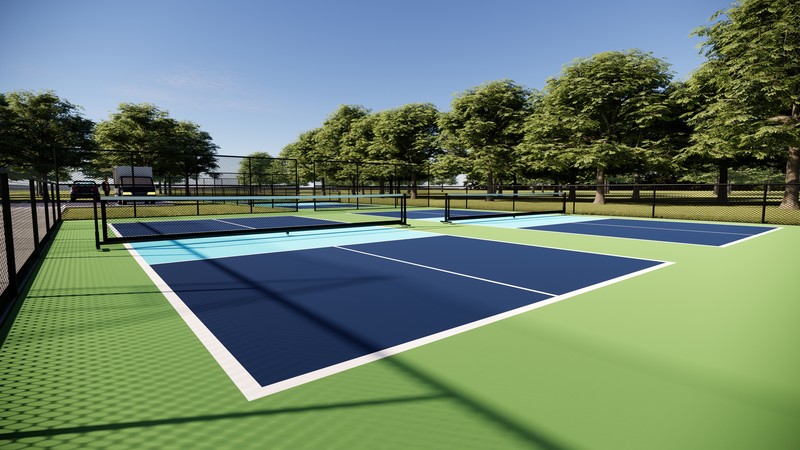
Beyond the base material, color selection affects both aesthetics and playability. Many facilities choose contrasting colors for the in-bounds and out-of-bounds areas, which helps players track ball placement more easily during fast-paced rallies.
Darker colors can absorb more heat under direct sun, so facilities in particularly hot areas sometimes opt for lighter color palettes to keep surface temperatures more comfortable for players.
Evaluating Traction and Player Safety
Pickleball involves frequent quick lateral movements, making surface traction an important safety consideration regardless of which base material is selected.
A properly textured acrylic coating provides the grip players need to move confidently without excessive slipping, while also avoiding a surface so rough that it causes discomfort or increases wear on shoes over time.
Testing and adjusting texture during the coating process helps strike the right balance for player safety.
Making the Right Choice for Your Facility
The best surface material ultimately depends on budget, expected usage levels, player demographics, and long-term maintenance capacity. Armor Courts’ design and estimating team works closely with clients to evaluate these factors and recommend a surface material suited to their specific situation, whether that means a straightforward acrylic-coated asphalt court or a premium cushioned system for a retirement community.
As a family-owned business with over fifteen years of combined experience, we back every project with a three-year guarantee on paint and a one-year guarantee on workmanship. Explore our pickleball court resurfacing services or browse our completed projects to see examples of pickleball courts we have built throughout the region.
Ready to choose the ideal surface for your pickleball court? Request your free quote from Armor Courts today.
Frequently Asked Questions
What is the most affordable pickleball court surface material?
Acrylic-coated asphalt is generally the most cost-effective option while still offering reliable durability and consistent ball bounce for most facilities.
Are modular tiles a good option for outdoor pickleball courts?
Yes, modular sports tiles offer excellent shock absorption and durability, making them a strong option for facilities prioritizing player comfort.
Do cushioned surfaces affect ball bounce for pickleball?
Quality cushioned acrylic systems are designed to maintain consistent, regulation-appropriate ball bounce while still reducing impact on players’ joints.
How often do pickleball court surfaces need maintenance?
Poured acrylic surfaces typically need recoating every several years, while tile systems generally require less frequent resurfacing but still benefit from routine cleaning.
Can one surface material support both pickleball and other sports?
Yes, with proper line striping, many surface materials can support multiple sports on the same court footprint, maximizing the use of available space.