
June 16, 2026
Why Artificial Turf Is A Perfect Option For School Sports Fields
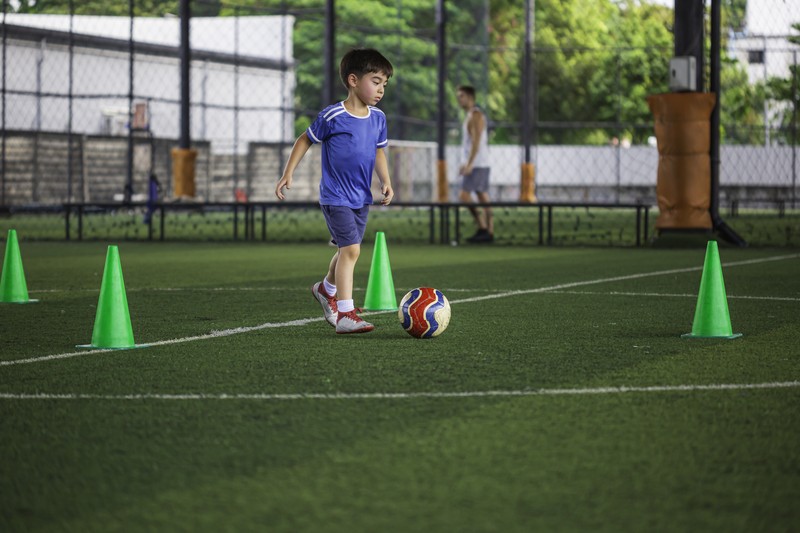
Quick Summary
Artificial turf for schools offers a safer and more consistent playing surface that helps reduce injuries and supports active student participation throughout the year. It performs well in different weather conditions, allowing sports activities to continue without disruption from rain or field damage. Schools also benefit from its durability, multi-sport functionality, and reduced need for ongoing upkeep. With proper installation, artificial turf creates a reliable environment that supports both physical education and competitive sports programs.
Artificial turf for schools has become a preferred solution for modern sports facilities that prioritize safety, durability, and consistent performance. Many campuses now choose artificial turf for schools to replace uneven natural grass fields that limit daily sports activities. This shift also reflects the growing demand for artificial turf for football field installations that can handle year-round student use.
Enhanced Safety for Student Athletes
Safety remains one of the strongest reasons schools choose synthetic playing surfaces. Artificial turf reduces uneven patches that often cause trips and awkward landings during fast movement. Proper turf field installation also plays a key role in achieving a stable and well-leveled surface that performs consistently during daily school activities. The surface is engineered to deliver consistent traction that lowers the chance of slipping during games.
Cushioning layers beneath the turf help absorb impact from falls, which reduces stress on joints and muscles. This becomes particularly important in contact sports where sudden changes in direction are common. Students gain a more predictable playing environment that feels stable during both practice and competition.
Artificial turf for football field applications in schools also limits muddy or hardened ground conditions. These conditions often contribute to minor injuries in natural grass fields. A controlled surface allows safer movement across different sports activities.
Reduced Injury Risks from High-Impact Sports Activities
Artificial turf creates a more controlled surface that helps reduce stress on joints during running, jumping, and sudden directional changes. The engineered layers underneath the surface help absorb impact from falls, which is especially important in school sports environments where students of different ages share the same field.
Traditional grass fields often develop uneven patches that increase the chance of ankle twists or unexpected slips. Artificial turf for schools maintains a consistent surface that behaves the same across every area of the field, which allows students to move with more confidence during games and training sessions.
This type of surface is particularly useful for artificial grass football field setups where contact and speed are common. The stable footing helps students focus on skill development instead of worrying about unstable ground conditions.
Year-Round Playability in All Weather Conditions
Weather interruptions often affect school sports schedules, especially in regions with heavy rain. Artificial turf drains water efficiently, which allows fields to remain usable shortly after rainfall. This keeps physical education classes and team training on schedule.
Natural grass often becomes muddy or uneven after storms, leading to cancellations and limited access. Artificial turf for schools removes this issue by maintaining a consistent surface regardless of weather shifts. Students gain more active hours across the school year.
Dry conditions also do not create dust or hard patches on synthetic fields. This keeps the surface comfortable and stable during extended use. Schools gain a dependable sports area that works in varying climates.
Consistent Playing Quality Across All Sports
Artificial turf delivers a uniform surface that behaves the same across every part of the field. This consistency improves ball movement and player control during games. Students adapt more quickly to predictable surface behavior.
Unlike natural grass, there are no worn-out patches or uneven growth patterns. Artificial grass football field installations maintain even texture from sideline to center. This consistency helps athletes focus more on performance rather than field conditions.
Teachers and coaches also benefit from reduced variability during training drills. Skills can be taught more effectively when the ground reacts the same in every session. This creates a more structured learning environment for sports development.
Multi-Sport Use in a Single Field Area
Schools often require one field to serve multiple sports programs. Artificial turf allows football, soccer, and field drills to take place on the same surface without major adjustments. Markings can be integrated to accommodate different game layouts.
This flexibility reduces the need for separate sports areas, which is helpful for campuses with limited space. Artificial turf for football field setups can also be designed with multi-sport lines that remain visible and organized. Students benefit from a shared space that accommodates different activities.
Armor Courts often works with schools to design layouts that match their program needs. This approach helps schools maximize the use of available space while maintaining clear play zones.
Efficient Use of School Space and Long-Term Value
School grounds are often limited, especially in urban areas. Artificial turf makes it possible to convert underused areas into functional sports fields. This improves how campuses manage available outdoor space.
Natural grass fields often require recovery periods, which limit daily use. Synthetic turf removes these downtime periods and keeps the field active throughout the school calendar. This increases overall field availability for classes and extracurricular activities.
The surface also maintains its structure for years with minimal degradation when properly installed. Turf fields installation projects are designed to handle repeated use from large student groups. This long-term reliability helps schools plan sports programs more effectively.
Lower Maintenance Demands and Field Longevity
Natural grass fields require constant mowing, watering, and re-seeding. Artificial turf reduces these demands significantly, allowing schools to redirect time and effort elsewhere. The surface remains stable without regular replanting cycles.
Rain and heavy use often damage grass fields, leading to patch repairs and uneven areas. Synthetic turf avoids these problems by maintaining a consistent structure throughout the year. This reduces interruptions to sports schedules.
Routine care mainly involves surface cleaning and occasional brushing. Proper court maintenance keeps the field in strong condition and extends its lifespan. Schools gain a reliable surface without continuous ground repair work.
Long-Term Advantages for School Sports Programs
Artificial turf creates a foundation for stronger and more active school sports programs. Students gain more opportunities to train and compete on a dependable surface. This consistency helps improve participation rates in physical activities.
Schools also benefit from reduced interruptions caused by field damage or weather delays. Sports planning becomes easier when the playing area remains available throughout the year. This stability encourages the long-term development of school athletics.
Armor Courts works with schools to deliver durable sports surfaces designed for daily use. We focus on quality installation methods that match the needs of educational institutions.
Build a Reliable School Sports Field with Armor Courts
Upgrade your school sports facility with high-quality artificial turf designed for long-term use and consistent performance. Contact us today to start planning your project with Armor Courts.
FAQs
Artificial turf creates a more even and stable surface compared to natural grass, which can develop holes, mud, and uneven patches. This consistency reduces the risk of trips and unexpected slips during sports activities. It also includes cushioning layers that help absorb impact from falls, making it safer for students during high-movement games.
Yes, artificial turf can be designed for multi-sport use, including football, soccer, and general physical education activities. Line markings can be added for different games, allowing one field to serve multiple programs. This helps schools maximize available space while maintaining an organized playing environment.
Artificial turf drains water efficiently, allowing the field to remain usable shortly after rain. Unlike natural grass, it does not become muddy or uneven during wet conditions. This helps schools maintain consistent sports schedules throughout the year.
Artificial turf requires significantly less maintenance compared to natural grass fields. Routine care usually involves surface cleaning and occasional brushing to keep fibers upright. With proper court maintenance, the surface can remain in good condition for many years.