
Turf Field Installation: How Long Does It Usually Take?
Quick Summary
Turf installation over a prepared base commonly takes three to six weeks, while full construction may require six to ten weeks or longer. New fields usually need more groundwork than replacement projects, especially when drainage, grading, or base repairs are involved. Weather, permits, material delivery, custom markings, and related facility upgrades can also affect timing. A professional site assessment gives property owners the most realistic schedule.
Schools, parks, athletic facilities, and residential communities often choose synthetic turf when they need a durable playing surface with predictable performance throughout the year. Yet the construction schedule can vary widely from one property to another. If you are asking, “how long does it take to build a turf field,” the answer depends on the site condition, drainage needs, field size, surface system, and level of customization. A straightforward replacement may move quickly, while a new field requires more groundwork.
Let’s look at what shapes a realistic overall installation timeline.
How Long Does Turf Field Installation Usually Take?
Once the prepared base is ready, turf installation commonly takes about three to six weeks. This stage includes positioning the turf rolls, trimming each section, joining the seams, adding markings, spreading infill, grooming the surface, and completing final checks. A full project often takes longer when excavation, drainage, grading, and base construction are included. In those cases, the schedule may extend to six to ten weeks or more. Field size, access, weather, inspection requirements, and custom design details can also influence timing. The most reliable estimate comes from a site review and a clearly defined project scope before construction begins, covering every stage from base approval through final field acceptance.
New Turf Construction Versus Field Replacement
A new turf field usually requires more time than replacing an existing surface. Ground up construction may involve clearing vegetation, removing soil, shaping the subgrade, installing drainage, placing aggregate, and compacting the base. A replacement project can move faster when the current foundation and drainage system remain stable and suitable for reuse. However, hidden damage may appear after the old turf is removed. Soft areas, drainage failures, uneven sections, or contaminated infill can add unexpected work. Two fields with similar dimensions may therefore follow very different schedules, depending on what contractors discover below the visible playing surface and how much corrective work the foundation needs.
Planning, Design, and Project Preparation
Work begins well before turf rolls arrive at the property. Contractors first review the site, measure the field, study drainage conditions, and confirm which sports the surface must support. The design phase may also include turf selection, infill choice, logos, permanent markings, shock pads, fencing, and access routes. Permits, engineering documents, product manufacturing, and delivery schedules can add several weeks or months. Custom colors and detailed graphics often require additional coordination. A complete preconstruction plan gives property owners a more realistic schedule, reduces avoidable changes before crews mobilize, and helps each stage follow the intended sequence once materials, equipment, and installation teams arrive onsite together.
Site Clearing and Existing Surface Removal
Onsite work often starts with clearing the area and removing the existing surface. Crews may need to take out natural grass, old synthetic turf, worn infill, soil, or damaged base materials. The time required depends on the field size, disposal volume, equipment access, and condition of surrounding features. Nearby tracks, fences, utilities, sidewalks, and landscaping may need added protection during removal. Tight entrances can also slow trucks and machinery. A clean, properly evaluated site allows the following construction stages to move forward with fewer interruptions and gives contractors a clear view of hidden surface problems before installation work moves ahead.
Drainage, Grading, and Base Preparation
The foundation below the turf has a major influence on both schedule and performance. Contractors shape the subgrade, correct low areas, install drainage components, place aggregate layers, and compact the surface to the required level. Unstable soil, standing water, damaged pipes, or unexpected underground conditions may add time. Precise grading supports consistent ball response, safer footing, and reliable water movement across the field. Rushing this stage can leave visible waves, soft sections, or drainage concerns in the finished surface. Careful base preparation creates the stable platform needed for accurate turf placement and long term field use through every playing season.
Turf Placement, Seaming, and Field Markings
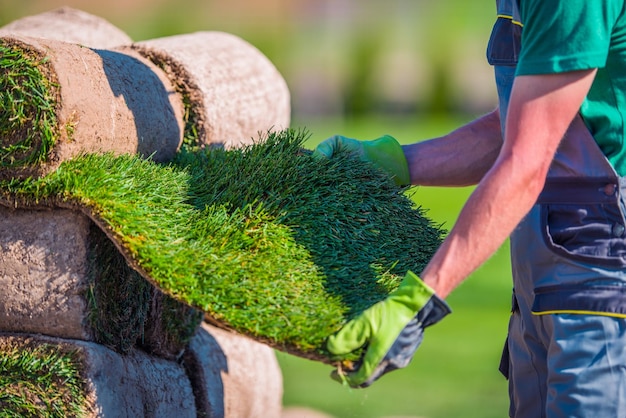
After the base is approved, crews position large turf rolls across the field and align each section with the planned layout. The material is trimmed around edges, goals, drains, and other fixed features. Each seam must be joined securely so the surface stays consistent during regular play. Permanent lines, logos, end zones, and multi sport markings are then fitted into the design. Detailed graphics or several playing layouts can extend this stage. Accurate placement supports a polished appearance, clear game boundaries, and dependable performance across the full field throughout practices, games, tournaments, and community events.
Infill, Grooming, Inspection, and Field Opening
Once the turf panels and markings are secure, crews distribute infill across the surface in controlled layers with calibrated professional installation equipment. The material is brushed into the fibers to support stability, cushioning, traction, and an even playing feel, while grooming helps the blades stand upright and reveals areas needing adjustment. Contractors then inspect seams, edges, markings, infill depth, drainage flow, and general surface consistency before the final approval process. Some facilities may require performance testing, municipal inspection, or approval from school and athletic officials before opening, while surrounding construction can still affect access to the completed field. Fencing, lighting, tracks, pathways, and landscaping may continue after turf installation, so athletes should wait for the contractor or project manager to confirm the official opening date. This protects the completed surface while final checks, cleanup, and site coordination are still underway.
What Can Delay a Turf Field Installation?
Weather is one of the most common causes of schedule changes, especially during excavation, grading, and base preparation. Heavy rain can leave soil too wet for reliable compaction or restrict equipment access. Other delays may come from permit reviews, inspection availability, material shipping, custom turf production, or design revisions. Unexpected soil conditions and damaged drainage systems can also require additional correction. Projects involving lighting, fencing, tracks, or utility upgrades may depend on several contractors working in sequence. A realistic schedule should include room for these variables from planning through final field acceptance instead of relying on one fixed completion date.
Build Your Turf Field with a Clearer Timeline
A turf field project moves smoothly when the schedule reflects the real condition of the site, the scope of construction, and the selected surface system. Installation may take only a few weeks after the base is ready, while complete construction often requires additional time for groundwork, approvals, and final testing. A realistic plan protects the quality of the finished field and helps facility managers coordinate seasonal use with greater confidence.
At Armor Courts, we bring more than 15 years of combined experience to athletic court construction, resurfacing, repairs, maintenance, modular sports flooring, and multipurpose court projects. We evaluate your property, clarify the work required, recommend suitable surface options, and develop a practical installation schedule. Our team focuses on high quality sport surfaces and backs qualifying work with a one year workmanship guarantee.
Contact us to discuss your turf field project and request a professional consultation. Let us help you plan the next step.
FAQs
How long does turf installation take after the base is ready?
Installing turf over a fully prepared base commonly takes about three to six weeks. A complete project involving excavation, drainage, grading, and base construction may take six to ten weeks or longer. Field size, site condition, weather, design details, and inspection requirements can all influence the final schedule for your property.
Is replacing an existing turf field faster than building a new one?
Replacing an existing turf field can move faster when the drainage system and aggregate base remain in good condition. However, hidden issues may appear after the old surface is removed. Soft areas, damaged drainage, uneven sections, or contaminated infill can extend the work and change the original timeline for the facility.
What commonly delays a turf field installation?
Heavy rain, unsuitable soil, permit reviews, delayed inspections, material shipping, custom graphics, and design changes can slow installation. Projects that also include fencing, lighting, tracks, or utility work may require several contractors to work in sequence. A professional site assessment helps create a schedule that reflects these variables from the start.