
Tennis Court Color: How It Affects Players’ Focus And Performance
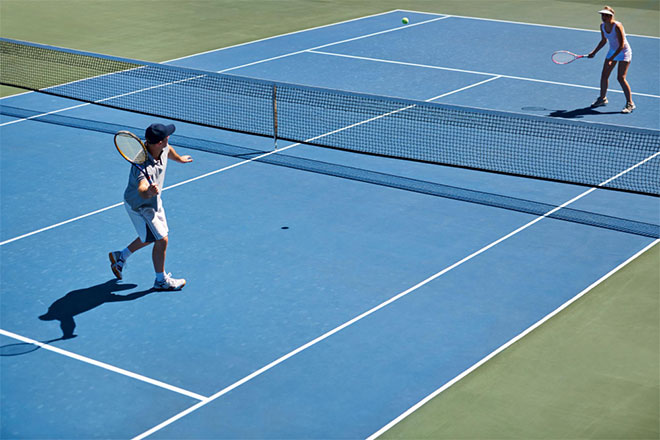
Tennis court colors play a significant role in how players perform and stay focused during a match. The colors affect both visibility and the mental state of players, influencing their ability to track the ball and maintain concentration. By understanding the psychological and visual effects of different tennis court colors, you can create a more effective playing environment.
The Psychological Impact of Tennis Court Colors
The color of a tennis court affects the mental focus and energy levels of players. Bright colors like blue can reduce glare, helping players concentrate better, while darker shades, such as green, can create a calming effect. These psychological responses influence how players perceive their surroundings and react during the game, affecting both their performance and overall experience.
Different colors also help players track the ball more effectively. For instance, blue and green courts are commonly used because they contrast well with the yellow tennis ball, making it easier for players to follow its movement. The right color choice in tennis court construction can significantly improve visibility, which in turn enhances performance during fast-paced rallies.
What Color Are Tennis Courts in Professional Play?
In professional tennis, most courts are either blue or green, but there are variations depending on the surface type. The U.S. Open, for example, uses a blue hard court surface to create better contrast against the ball, while Wimbledon features a green grass court that offers a natural aesthetic. Each color is carefully chosen to improve visibility and to create an optimal playing environment.
The choice of color also affects how players approach the game. Some research suggests that blue courts help calm players and reduce stress, while red or orange courts might increase aggression due to their stimulating properties. These factors are important when designing a court that maximizes both player comfort and performance.
Tennis Court Colors and Player Focus
Players’ focus can be influenced by the color of the court as well. For example, a green court might help players remain calm and concentrate better, while more vibrant colors such as blue may create a more energetic atmosphere. The psychology of color is frequently considered in tennis court construction to make sure that players can maintain peak focus and energy throughout the match.
Another factor is how different colors interact with lighting conditions. Bright colors like blue are better at reducing glare from the sun, allowing players to stay focused on the ball even during sunny conditions. Therefore, choosing the right tennis court color based on location and lighting can significantly improve a player’s overall performance.
Impact on Court Aesthetics and Fan Engagement
Tennis court colors also contribute to the overall aesthetic appeal and fan experience. Fans are more likely to enjoy watching matches on visually appealing courts, which in turn can enhance the atmosphere of the event. In fact, some courts are designed for visibility and to reflect the identity of the tournament or venue.
A well-chosen color can make a court look more inviting and professional, attracting both players and spectators. The colors selected for professional courts serve as an important part of branding and fan engagement, as they are often recognized by fans worldwide.
Enhancing Your Tennis Court Experience
Choosing the right tennis court color is vital for both player performance and spectator enjoyment. Whether you are designing a court for personal use or professional play, considering color options can help optimize visibility and improve focus.
At Armor Courts, we specialize in tennis court construction and resurfacing, meeting the highest standards of performance and aesthetics. Contact us today for a consultation and find the perfect color for your court.