
Armor Courts
Tennis Court Resurfacing | Athletic Court Construction | Court Contractors/Builders

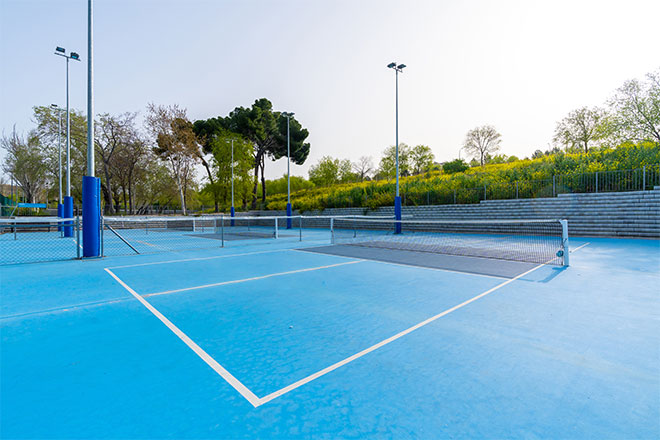
As pickleball grows in popularity, more and more courts are being built and used for both recreational and competitive play. Like any outdoor sports facility, pickleball court repair is an inevitable part of maintaining a safe and high-performing court.
Over time, wear and tear from heavy foot traffic, weather conditions, and general use can take a toll on the court surface. Understanding common issues and knowing how to address them can ensure your pickleball court remains in great shape for years to come.
Common Problems in Pickleball Courts
When it comes to pickleball court repair, several issues can arise due to the intense activity the courts endure. Regular use, as well as exposure to the elements, can lead to surface cracks, fading, and even drainage problems. Let’s take a closer look at some of the most common problems and their solutions.
Cracks in the Court Surface
Cracks in the surface of the court are one of the most common problems with pickleball court repair. These cracks can occur due to temperature fluctuations, moisture, or heavy use. Asphalt and concrete courts are particularly susceptible to cracking, especially if they were not sealed properly during installation.
Small cracks can be sealed using specialized crack fillers designed for athletic court surfaces. This is a relatively simple fix, but it must be done promptly to prevent further damage. For larger cracks or structural damage, pickleball court repair may require resurfacing. This involves applying a new layer of material over the existing surface to restore its smoothness and strength.
Cracks, if left untreated, can worsen over time. This will lead to more expensive repairs or even the need for complete resurfacing.
Uneven Surfaces and Low Spots
Uneven areas, depressions, or standing water create uncomfortable and potentially unsafe playing conditions. These issues may result from base movement, soil settlement, or improper installation.
Pickleball court repair for uneven surfaces typically involves releveling the court. For asphalt courts, this may include resurfacing to fill in low spots and smooth out the surface. For concrete courts, the problem might require more intensive work, including patching and resurfacing to ensure the surface is even and free of dips or bumps.
Regular inspections of your pickleball court are important for identifying and addressing uneven surfaces early on. Doing so can save you money on more extensive repairs down the road.
Fading and Loss of Court Markings
Sun exposure, weather, and frequent play gradually fade court colors and boundary lines. When markings lose visibility, gameplay can be affected and the court may appear worn. Clear lines are essential for accurate scoring and fair competition.
Refreshing the surface with new coatings and repainting the lines restores both appearance and function. Regular repainting as part of scheduled maintenance keeps the court looking sharp and maintains clear boundaries for players.
Armor Courts backs resurfacing projects with a three-year guarantee on paint, helping maintain both visual appeal and performance.
Drainage Problems
Proper drainage is vital for maintaining the condition of a pickleball court. Standing water can create an unsafe surface, promote the growth of algae or mold, and damage the court material. Poor drainage is a problem that can affect both outdoor and indoor courts, but it’s more common with outdoor courts exposed to rain or snow.
Pickleball court repair for drainage problems typically involves improving the court’s slope or installing proper drainage systems. This could include adding drainage channels or fixing the foundation to direct water away from the court. If standing water is regularly pooling in certain areas, it’s important to address the underlying drainage issue to prevent further damage to the court surface.
Effective drainage is essential to maintaining a safe and durable pickleball court, especially in areas with heavy rainfall or snow. Making sure that water flows off the court properly can help prolong its lifespan.
Surface Wear and Tear
Pickleball courts experience significant wear and tear from foot traffic, equipment, and environmental factors. Over time, the surface may lose its smoothness, leading to rough patches, cracking, and deterioration. This can affect both the safety and playability of the court.
Regular resurfacing is often the best way to address surface wear. Pickleball court repair for wear typically involves applying a new layer of material to restore the smoothness and integrity of the surface. This process helps maintain the court’s performance and ensures player safety.
The choice of resurfacing material will depend on the type of court you have. Asphalt and concrete courts require different approaches to repair and resurfacing. Routine resurfacing and maintenance are the best ways to prevent significant wear and ensure that your court remains in top condition for years.
Cracked or Damaged Nets and Poles
While not part of the court surface itself, nets and poles can become damaged over time due to use, weather conditions, or improper storage. A damaged net or pole can make the court unusable or unsafe for play.
Replacing or repairing the net and poles is usually straightforward and inexpensive. In most cases, this part of pickleball court repair can be handled independently without resurfacing the entire court. Regularly checking the nets and poles for damage and adjusting them to proper tension can prevent issues before they arise. Maintaining the equipment, including the net and poles, is important for ensuring that players have a quality experience.
Preventive Maintenance for Pickleball Courts
Proactive care reduces the likelihood of costly pickleball court repair. Routine inspections and small corrections extend the life of the surface and improve safety.
- Regular Cleaning: Keeping the court clean by removing debris, dirt, and leaves can help preserve its surface and prevent damage.
- Proper Drainage: Maintaining good drainage is key to preventing water damage and surface deterioration.
- Repainting Lines: Regularly repainting lines helps maintain visibility and ensures that the court remains functional.
Armor Courts can assist you with ongoing court repair and preventive maintenance to keep your court in the best possible shape.
Your Trusted Partner for Pickleball Court Repair
At Armor Courts, we specialize in pickleball court repair and resurfacing. Our team has over 15 years of experience in athletic court construction and maintenance, and we know exactly what it takes to keep your court in optimal condition. From crack repair to resurfacing and drainage solutions, we offer a full range of services to meet your needs.
We take pride in delivering high-quality, durable solutions for pickleball courts. Our work is backed by a three-year guarantee on paint and a one-year guarantee on workmanship, so that your court stays in great shape for years to come.
Contact Armor Courts for Your Pickleball Court Repair Needs
If you need pickleball court repair or maintenance, don’t hesitate to reach out to Armor Courts. Our experienced team is ready to assess the condition of your court and provide expert recommendations on repairs or resurfacing.
Request a quote or contact us today to learn more about our services and how we can help you keep your pickleball court in top shape. Let us take care of your court so you can focus on enjoying the game.