
Pickleball Court Fencing Requirements: What To Know Before Installing
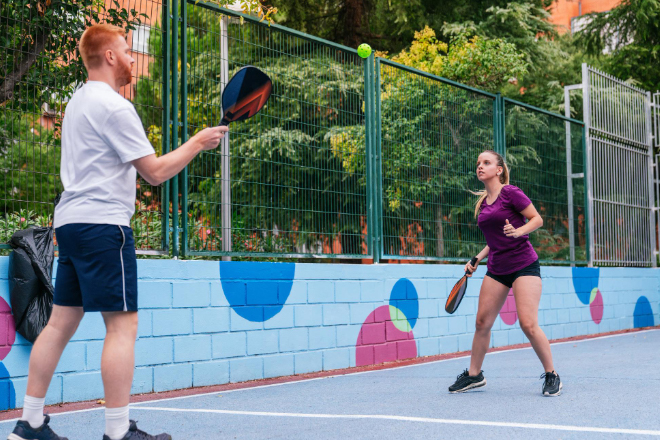
A pickleball court needs more than a strong playing surface to perform well, since proper fencing plays a major role in safety, playability, and long-term durability.
Many facility owners review pickleball court fencing requirements before starting a project because the right setup keeps balls contained, protects surrounding areas, and improves the overall experience for players. Planning fencing correctly from the beginning helps avoid costly adjustments later and creates a more reliable court environment.
Understanding Pickleball Court Fencing Requirements For Every Facility
Pickleball courts require fencing that aligns with both layout and level of play, since a well-designed system should define the space without disrupting movement or visibility. The fence should create a clear boundary while still letting players stay focused during rallies.
Height, material selection, and placement all work together to keep the court functional and safe. A fence that sits too low allows balls to escape and interrupts play. A fence that is too high can reduce visibility and limit airflow. Facility needs vary, so design decisions should reflect how the court will be used, from casual recreation to competitive matches.
Fence Height And Layout In Pickleball Court Fencing Requirements
Fence height plays an important role in controlling gameplay flow, with most installations using fencing between 10 and 12 feet. This range helps keep balls within the playing area during fast rallies while reducing interruptions.
The layout should follow the full court perimeter. Some facilities also add divider fencing between adjacent courts to prevent interference between games. Court spacing affects placement, as tighter layouts may require additional barriers, while larger sites allow more open movement around each court.
Material Choices That Meet Pickleball Court Fencing Requirements
Material selection affects durability, maintenance, and appearance. Chain-link fencing remains a common choice due to its strength, flexibility, and clear visibility for players and spectators.
Vinyl-coated systems add protection against corrosion and improve appearance, making them well suited for humid or rainy climates. Strong posts and framing systems are equally important, since structural integrity determines how well the fence holds up under regular use and impact.
Many facility owners evaluate pickleball court fencing requirements when choosing materials, since the right combination of strength and finish has a direct impact on long-term performance.
Visibility And Player Experience In Pickleball Court Fencing Requirements
Clear visibility is essential for gameplay, since fencing should not distract players or block sightlines. Proper mesh sizing allows players to track the ball easily, especially during fast exchanges.
Darker fencing colors often reduce glare and help the structure blend into the background, which improves focus during play. Adequate spacing around the court also matters, since players need room to move without feeling restricted by surrounding barriers.
Safety Considerations Within Pickleball Court Fencing Requirements
Safety remains a key factor in every fencing decision, since a secure perimeter helps protect both players and nearby areas. Proper installation keeps balls contained and reduces the risk of interruptions or accidents outside the court.
Smooth edges and properly secured connections reduce hazards over time. Loose components or poorly anchored sections can create long-term safety concerns, so alignment and fastening must be handled with care. Gates should be positioned for easy entry and exit while staying secure during active play.
Understanding pickleball court fencing requirements helps reduce risks and supports a safer playing environment when planning installation details.
Environmental Factors That Impact Pickleball Court Fencing Requirements
Outdoor courts face constant exposure to wind, rain, and sunlight, all of which affect fencing performance over time. Materials must withstand these conditions without losing strength or stability.
High-wind areas may require reinforced support systems, while coastal regions benefit from corrosion-resistant materials. Sun exposure can lead to fading if coatings are not designed for long-term durability. Drainage also plays a role, since water buildup near posts can weaken soil and cause shifting over time.
How Professional Installation Meets Pickleball Court Fencing Requirements
Professional installation brings together alignment, tension, anchoring, and structural stability. Small installation errors can lead to long-term issues, so precision at every step is important.
Our team brings over 15 years of combined experience to each project, and as a family-owned business, we focus on delivering high-quality sport surfaces and durable fencing systems. Every installation is planned carefully and completed with attention to detail, backed by a three-year paint guarantee and a one-year workmanship guarantee.
Meeting pickleball court fencing requirements during installation helps create a system that performs reliably over time and reduces future maintenance concerns.
Integrating Fencing With Court Design And Construction
Fencing works best when it is integrated into the overall court design, aligning with the surface, layout, and surrounding space to create a cohesive facility. When all elements are planned together, the result feels more balanced and functional.
We often combine fencing with full-court construction or resurfacing projects, which allows us to coordinate every detail from the start. If you are planning a new court, learn more about our pickleball court construction services to see how a complete approach improves both efficiency and long-term performance.
Long-Term Value Of Meeting Pickleball Court Fencing Requirements
A properly installed fencing system protects the overall investment by reducing maintenance issues and keeping the court ready for daily use. Strong fencing also enhances the appearance of the facility, creating a more inviting space for players and visitors.
Facilities with well-built fencing tend to attract more consistent use, as players prefer courts that feel secure and well-maintained. Ignoring fencing standards, on the other hand, can lead to frequent repairs and higher long-term costs.
Work With A Team That Understands Pickleball Court Fencing Requirements
Every pickleball court benefits from a setup that meets high standards, and fencing plays a major role in how the space performs and holds up over time. From material selection to final installation, each step contributes to the overall success of the project.
We bring experience, attention to detail, and a strong commitment to quality in every build, working closely with facility owners to create courts that match their goals and handle daily use with confidence.
If you are planning a new court or upgrading an existing one, contact us today to request a quote and take the next step toward a well-built, long-lasting pickleball court.