
Armor Courts
Tennis Court Resurfacing | Athletic Court Construction | Court Contractors/Builders

Pickleball Court Construction Guide
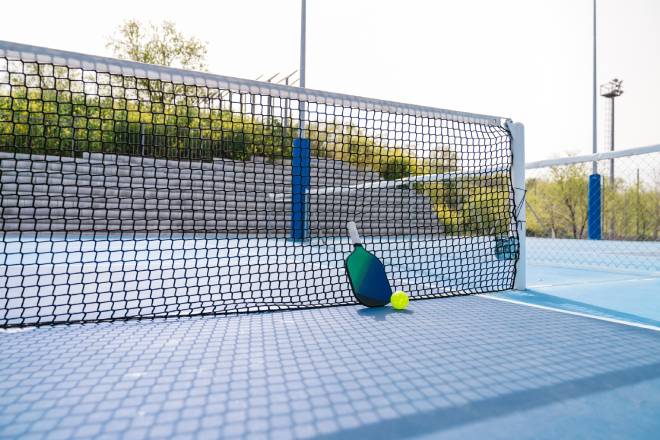
The sport of pickleball keeps growing because people enjoy a fast game that works for many ages and skill levels. Pickleball court construction supports this growth by helping more locations offer a proper place to play. Many owners want a smooth and safe surface with correct spacing for movement. Good planning starts with knowing layout guidelines, surface performance, and space needs for the surrounding area. This guide highlights the main points that shape a reliable court designed for enjoyable play.
What Makes Great Pickleball Court Construction Work
A strong court comes from clear planning that supports fast play and smooth movement because players expect quick rallies and steady footing during each point. The space should feel comfortable with room to move freely from the baseline to the kitchen zone because limited space can interrupt play. Court lines must be accurate so the ball stays in fair territory and players can react without hesitation. Good visibility across the surface helps players remain focused through fast action. A surface that grips well adds stability when direction changes happen often. Color choices can help separate areas of play from the surroundings. Space for movement around the court gives players confidence to go for any shot. Each design choice influences how people enjoy the game.
Official Pickleball Court Dimensions and Layout
A well-planned pickleball court follows exact measurements that guide the style of play. The main playing area measures twenty feet wide and 44 feet long. Both singles and doubles share the same size, which keeps the game simple for all players. A 7ft space from the net on each side creates the kitchen zone where volleys are not allowed. The net stands 36 inches high near the sidelines and dips to 34 inches in the center, which supports a friendly arc for the ball. Clear line markings help players track boundaries during fast action.
Space around the court matters because movement does not stop at the baseline. A preferred layout for outdoor courts is at least 34 feet by 64 feet, which gives players room to chase wide shots without risk. Orientation often favors a north-to-south direction since it limits direct sun into a player’s eyes. Court placement should also consider nearby fences, walls, or walkways so active movement stays safe. A careful layout helps build a playing area that feels open and comfortable for every point.
Choosing the Right Location for Your Court
Picking the area for a court calls for attention to how the ground holds its shape through changing weather. Firm soil and a flat foundation help prevent shifting that leads to cracks and uneven spots. Open surroundings support airflow and allow the court to dry faster after rain, which keeps the surface strong. A north to south orientation can reduce direct glare in the middle of play because lower sun angles often point from the east or west. Good lighting from nearby buildings should not cast shadows that distract players during fast exchanges.
Enough clearance around the court gives people confidence to chase the ball beyond the lines without hitting obstacles. Plant roots and large trees can impact the surface so placing the court away from heavy vegetation limits future issues. Space for fencing or screens is useful when planning how the entire area will function once play begins. A thoughtful choice of location builds the first layer of reliable performance for years of games ahead.
Surface Options and What Works Best
Smooth footwork helps every player stay confident during quick rallies, so the surface under them matters more than most people think. Concrete and asphalt provide a strong base because they hold their shape well through different weather conditions. Acrylic coatings can add a clean finish that supports steady traction and predictable bounce during fast movement. Some projects include cushioned layers that add comfort, which can help players enjoy longer matches. Color selection also plays a role in visibility since a clear contrast between the court and the lines helps players react faster. A high quality surface keeps action lively and dependable, which allows everyone to focus on the game with fewer distractions.
Resurfacing & Longevity
Courts age as weather, foot traffic, and time take their toll on surface quality and playability. Periodic inspections reveal small cracks or fading line markings before they grow into bigger problems that affect bounce and safety. Refreshing the acrylic coating can restore firmness, traction, and proper ball response. Pressure-washing or mild cleaning helps remove dirt, dust, and debris that wear down the surface over time. Proper drainage avoids water pooling, which can degrade materials beneath the surface and speed wear. With maintenance and timely resurfacing, a well-built court can serve players for many seasons with consistent performance and reliable footing.
Essential Court Features and Add-Ons
Good lighting can support evening games because it helps players see the ball clearly from every point on the court. Most layouts place lighting poles outside the main play zone so players do not feel crowded near the sidelines. Tall fences surrounding the court help keep balls within reach and reduce interruptions when play gets exciting. Openings for gates should be wide enough for equipment and easy access, which helps families and groups enjoy the space. Seating near the court allows spectators to relax and follow the action with comfort.
Multi-court layouts benefit from spacing that supports movement and keeps everyone safe during active play. Some owners add wind screens to create a calmer playing environment on breezy days. Drainage plans need attention around the entire area so the surface stays dry and strong after rain. Customized line colors help players separate the kitchen zone and baselines at a glance. Storage for paddles and balls can make the court feel more organized when groups rotate through games. A space built with helpful features brings more enjoyment for players and guests.
Construction Timeline and Cost Expectations
Planning plays a large role in how quickly a court reaches the stage where players can enjoy their first game. Site preparation often comes first with grading and forming a solid base for the surface. After that, the concrete or asphalt sets before coatings and line markings add the finishing touches. Weather and local permitting can extend the schedule because outdoor work depends on steady conditions. Cost varies with surface choices, features, lighting, fencing, and any upgrades around the court. A well-organized plan helps property owners move from idea to a complete playing space within a smooth and predictable timeline.
Your Pickleball Court, Designed for Real Play
A well-planned court gives players space to move freely and enjoy every moment on the surface. The right layout, surface quality, and long lasting features create a place where fast points and friendly matches feel natural. Every detail discussed in this guide plays a part in making games smooth from the first serve onward. Good planning today leads to many years of fun and active play.
Armor Courts brings professional craftsmanship and pride to every athletic court we build. Our experience with pickleball court construction includes new builds, conversions, and high performance surfacing that supports confident movement. We handle layout guidance, surface installation, color design, fencing, lighting, and court enhancements that match your goals. If you already have a court, we offer resurfacing that restores bounce quality and extends the lifespan with stronger protection. We also create tennis courts, basketball courts, and multi-sport areas for communities that want versatility on the same property. Our work reflects quality that you can see and performance that you can feel.
Reach out today and let us help you make the court you want. We are ready to build with you.
Hard Court Guide Download
Download a free copy of our Hard Court Maintenance & Repair guide
Free