
Multipurpose Court Design: What You Need To Know Before You Build
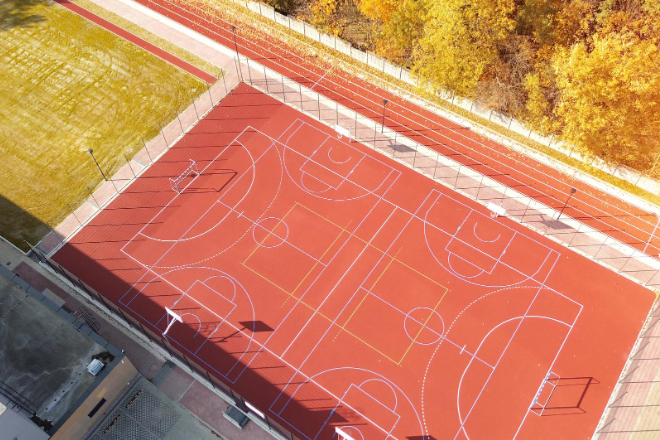
Space constraints often limit how recreational areas are used, yet a well-planned multipurpose court design changes that dynamic by combining multiple activities into one durable surface. Instead of dedicating separate zones for each sport, property owners can create a flexible, high-use area that adapts to changing needs over time.
The success of that space depends on early decisions involving layout, surfacing, drainage, and long-term care. A clear understanding of these elements shapes how the court performs, how long it lasts, and how reliably it meets user expectations.
Why Multipurpose Courts Continue to Gain Attention
A single-use court serves one purpose, which can limit engagement when preferences shift. Multi-sport layouts introduce flexibility, increasing usage across different age groups and skill levels.
Residential properties benefit from adaptable play areas that grow with families. Schools and community spaces rely on multipurpose courts to accommodate structured activities without expanding their footprint. Multi-family developments often treat these courts as a valuable amenity that enhances shared spaces.
This versatility changes how the area functions. Instead of sitting unused when one activity declines, the court continues to attract use across multiple sports, strengthening long-term value.
Planning the Right Layout From the Start
Every effective multipurpose court construction project begins with a layout that reflects real-world use. Dimensions, line markings, and equipment placement must work together without creating confusion or interfering with gameplay.
Court orientation has a direct impact on usability. Sun position affects visibility, particularly for sports that rely on overhead tracking, such as basketball or tennis. Aligning the court to reduce glare improves overall play conditions.
Spacing between activity zones requires careful planning. Overlapping lines without clear differentiation can create confusion during use. Strategic color contrast and a clear marking hierarchy maintain visual clarity without overwhelming the surface.
Access points also influence functionality. Entry and exit flow affect how users move through the space, especially in shared environments where multiple groups rotate throughout the day.
Surface Selection Shapes Performance and Longevity
Surface choice remains one of the most important aspects of multipurpose court design. It affects traction, shock absorption, maintenance needs, and resistance to environmental exposure.
Acrylic coating systems create a consistent playing surface with controlled texture. These systems suit sports like basketball and tennis, where a predictable ball response is essential.
Modular sport tiles introduce a different performance profile. They improve drainage and resist temperature fluctuations, which makes them a practical choice for outdoor installations exposed to rain and heat.
Each surface responds differently to wear. High-traffic zones may degrade faster depending on the material. Selecting the right system requires aligning usage patterns with performance expectations rather than focusing only on upfront cost.
Site Preparation and Drainage Cannot be Overlooked
A well-designed court will not perform as intended if the underlying base lacks stability. Site preparation forms the foundation for long-term durability and reduces the risk of early surface damage.
Proper grading directs water away from the court. Without effective drainage, water collects in low areas, accelerating surface wear and creating slipping hazards.
Sub-base construction must handle load distribution and environmental movement. Soil conditions, moisture levels, and compaction all influence how the court settles over time.
Ignoring these factors often leads to visible issues such as cracking, uneven surfaces, and coating failure. Addressing them early prevents recurring problems that require ongoing court repairs.
Balancing Multiple Sports Without Compromising Play Quality
Combining several sports on one surface requires thoughtful prioritization. Each activity has its own dimensions and movement patterns, which must work together without reducing usability.
Basketball often takes visual priority because of its space requirements. Secondary sports such as pickleball or volleyball are integrated through adjusted line placement and color-coded markings.
Clear differentiation between sports improves usability. Contrasting line colors and intentional spacing help players identify boundaries quickly.
Equipment selection also plays a role. Adjustable systems make it easier to transition between activities without permanent changes to the court. A well-executed multipurpose court design creates a true multi-use environment instead of a compromised layout.
Long-Term Value Depends on Maintenance Planning
Design decisions extend beyond construction. Long-term performance depends on consistent court maintenance that preserves surface integrity and playability.
Outdoor courts face ongoing exposure to heat, moisture, and debris. These factors affect traction and coating lifespan. Routine cleaning reduces buildup that can alter surface texture.
Drainage monitoring helps prevent water-related damage. Addressing minor pooling early reduces the risk of deeper structural problems.
Periodic evaluations identify early signs of wear such as fading, roughness, or minor cracking. Timely action limits repair scope and extends the life of the court.
When Court Resurfacing Becomes Necessary
Even with consistent care, surfaces reach a point where performance begins to decline. This stage signals the need for professional court resurfacing services.
Faded coatings reduce visibility and traction. Worn textures affect ball response and player movement. Multiple crack zones suggest underlying stress that requires attention.
Resurfacing restores the playing layer through cleaning, repair, and new coating application. This process refreshes texture, improves grip, and restores visual clarity. For courts with a stable base, resurfacing remains a cost-conscious alternative to full reconstruction. It extends usability without starting over.
Cost Considerations Go Beyond Initial Construction
Budget planning for a multipurpose court design should account for more than installation costs. Long-term expenses include maintenance, repairs, and resurfacing cycles.
Surface materials influence ongoing costs. Some systems require more frequent updates, while others maintain performance with less intervention.
Site conditions also impact investment. Complex preparation needs, drainage solutions, and accessibility factors all contribute to the total cost.
Additional features such as lighting, fencing, and seating improve usability but increase overall expenses. Evaluating these elements early helps avoid unexpected changes later.
Why Professional Involvement Shapes Better Outcomes
Multipurpose courts involve more variables than single-use installations. Layout coordination, material selection, and site preparation must align to achieve consistent results.
Professional involvement introduces experience-based decision-making that reduces risk. Instead of reacting to issues after installation, the process focuses on preventing them through informed planning.
Build Your Multipurpose Court Right
With us, every multipurpose court design begins with a clear understanding of how the space will be used over time. We focus on layout precision, durable surface systems, and construction methods that hold up under Florida conditions.
Our family-owned team brings over 15 years of combined experience, backed by a three-year paint guarantee and a one-year workmanship commitment.
Reach out to us to discuss your project and request a detailed quote tailored to your space.