
How To Pick The Right Color For Your Basketball Court
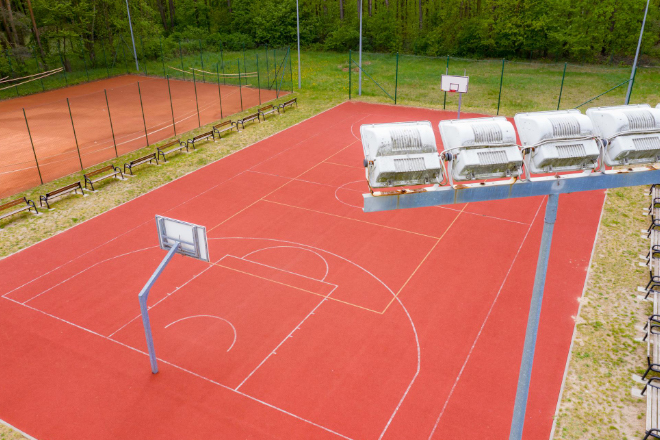
A well-chosen basketball court color influences far more than visual appeal. It shapes how clearly players track movement, how the surface responds under sunlight, and how long the finish holds up under daily use.
Color choices also shape traction perception, line visibility, and surface temperature during play. A court may look appealing at first, yet if contrast or heat control is lacking, performance issues often follow.
Understanding how color interacts with usage, environment, and surface materials helps property owners make decisions that support both playability and long-term durability.
Why Basketball Court Color Impacts More than Appearance
Basketball involves quick movements, rapid direction changes, and constant visual tracking. The court color directly affects how players read the surface during gameplay.
High-contrast designs improve boundary recognition. Clear separation between court lines and the playing surface helps players judge positioning during fast sequences. When contrast is weak, hesitation increases and the flow of the game slows down.
Surface tone also influences how traction is perceived. Dark, worn coatings may look slick even when the texture remains intact, which can affect player confidence and movement.
Lighting conditions further change how the court appears throughout the day. Glare, shadows, and brightness levels all shift the way players interpret the surface.
Understanding Contrast and Visibility on the Court
Visibility remains one of the most important factors when choosing a basketball court color. The objective is to create a surface where lines, zones, and movement remain easy to read from any angle.
Light-colored lines, most often white, must stand out clearly against the base surface. Darker base tones typically create stronger contrast, improving line clarity during gameplay.
Balance still matters. Very dark surfaces can increase glare under direct sunlight, which may affect visibility during daytime play. Lighter surfaces reduce glare but can weaken line definition if not paired carefully.
A balanced contrast approach helps players track movement, judge spacing, and maintain control without visual strain.
How Climate Conditions Influence Color Selection
Outdoor courts in warm climates face constant sun exposure, which affects both comfort and surface performance.
Darker colors absorb more heat, raising surface temperature during peak hours. This can impact player comfort and shorten playing time under direct sunlight.
Lighter tones reflect more sunlight and help keep the court cooler. These shades often perform well in regions with high heat and consistent sun exposure.
UV exposure gradually breaks down pigments, leading to fading over time. Using coatings designed for long-term color retention helps maintain a consistent appearance.
Rain and humidity also play a role. Moisture can highlight uneven wear patterns, especially on darker surfaces where discoloration becomes more visible.
Popular Basketball Court Color Combinations
Several color combinations remain widely used because they balance visibility, performance, and visual appeal. Green and blue courts have long been common choices. These tones create a stable visual environment and maintain reliable contrast with white lines.
Gray-based courts introduce a more neutral look. Light gray surfaces reduce glare and heat absorption, while darker borders help define boundaries without overpowering the design.
Bold color schemes, such as red or deep blue, create a strong visual identity. These options require careful planning to maintain contrast and manage glare effectively.
Multi-tone layouts often separate the playing area from the outer boundary using different colors. This structure improves spatial awareness and creates a more organized visual layout.
Balancing Aesthetic Preferences With Functionality
A basketball court often becomes a focal point within a property. Color choices should complement the surrounding environment while still meeting performance needs.
Residential courts may reflect architectural tones or nearby landscaping. Community courts may align with shared design themes or local identity.
Visual appeal matters, yet it should not outweigh functionality. A color scheme that reduces visibility or increases heat will affect long-term usability.
A controlled palette with balanced contrast delivers both a clean appearance and consistent performance.
Surface Type and Its Role in Color Performance
The surface system used during basketball court construction directly affects how color appears and how it holds up over time.
Acrylic coating systems integrate color directly into the surface, creating a consistent finish across the court. These systems also allow texture adjustments that influence both traction and appearance.
Surface texture interacts with light in different ways depending on the material. Some finishes reflect light evenly, while others create subtle variations in tone.
Material selection also affects how quickly color fades or wears under heavy use. High-traffic areas tend to show changes sooner, especially if preparation and application do not match usage demands. Understanding how surface type and color work together helps maintain a reliable playing environment.
When Basketball Court Resurfacing Becomes Necessary
Even well-built courts show signs of wear over time. Fading, discoloration, and reduced texture indicate that the surface is no longer performing as intended.
At this stage, basketball court resurfacing restores both color and surface quality. It also creates an opportunity to refine the original color scheme based on experience and performance needs.
Courts with uneven fading or multiple worn areas often benefit from full resurfacing rather than isolated repairs. This approach creates a uniform surface that performs consistently across all zones. Delaying resurfacing can lead to more serious damage, increasing both the scope and cost of future work.
Maintenance and Its Impact on Court Color Longevity
Consistent court maintenance plays a direct role in how long colors remain clear and functional. Debris buildup, dirt accumulation, and algae growth can dull surface appearance and reduce traction. Regular cleaning helps maintain clarity and texture.
Drainage management prevents water from collecting in low areas, which can stain coatings and accelerate wear. Addressing these issues early reduces the need for extensive court repairs.
Maintenance routines should align with usage levels. High-use courts require more frequent attention to maintain consistent performance.
Choose the Right Basketball Court Color With Confidence
With us, every color decision connects directly to performance, durability, and long-term use. Our family-owned team brings over 15 years of combined experience in basketball court construction and resurfacing, backed by a three-year paint guarantee and a one-year workmanship commitment. We evaluate your space, usage patterns, and exposure conditions before recommending a color approach that performs consistently.
Call us or submit a request today to receive a detailed quote tailored to your court.