
How To Install Interlocking Floor Tiles In Your Athletic Court
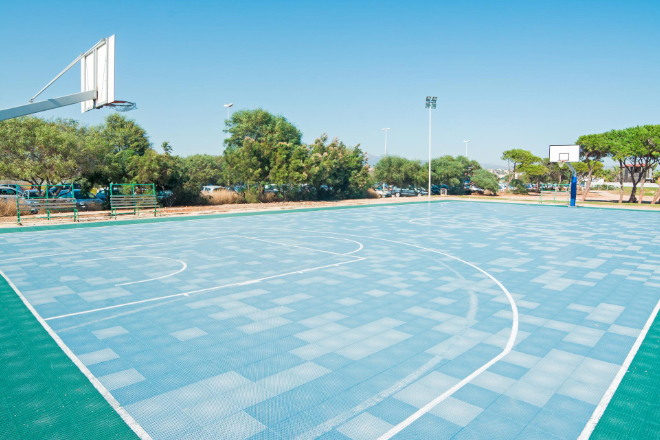
An athletic court needs a strong foundation from the ground up, which is why many facility owners research how to install interlocking floor tiles when building a new surface or upgrading an existing one. These systems are known for durability, traction, and long-term value, but the installation process depends on accuracy and experience.
A properly installed surface improves gameplay and reduces future maintenance issues, while poor installation can lead to shifting tiles, uneven areas, and early wear.
Understanding How To Install Interlocking Floor Tiles For Long-Term Performance
Interlocking tile systems depend on precise alignment and a stable base, since each tile locks tightly into the next to form a unified surface built for daily use. The process may look simple at first, but small installation mistakes can affect the entire court and create performance and durability issues over time.
A professional approach focuses on preparation, layout accuracy, and secure connections at every stage. Each phase follows a structured plan to create a flat and stable playing area that supports athletes and equipment long-term.
Evaluating the space before work begins helps identify potential concerns early and improves final results when learning how to install interlocking floor tiles correctly.
Why Professional Work Matters When Considering How To Install Interlocking Floor Tiles
Interlocking tile systems are often viewed as simple installation projects, yet precision plays a major role in long-term performance. Even slight misalignment can impact the full layout, making accuracy essential from start to finish.
Experienced crews understand how tile systems respond to movement, temperature shifts, and daily usage. Planning for expansion, contraction, and surface stress helps reduce risks such as gaps, uneven sections, or shifting tiles.
With over 15 years of combined experience, our focus remains on building sport surfaces that perform consistently and hold up under regular activity.
Surface Preparation Impacts How To Install Interlocking Floor Tiles
The base layer determines how well the finished court performs, since an uneven or weak foundation can cause issues regardless of tile quality. Proper preparation creates a stable surface that allows tiles to lock together evenly, reducing movement and structural concerns over time.
Preparation also plays a role in managing drainage and reducing moisture-related damage. Before installation begins, the site is carefully reviewed for level conditions, water flow, and stability to create a strong foundation for the project.
How To Install Interlocking Floor Tiles With Accurate Layout Planning
Layout planning shapes the entire installation process, since a clear design allows tiles to align correctly without gaps or misplacement. This stage also supports clean court lines and consistent boundaries, which are important for both appearance and gameplay.
A well-planned layout improves movement across the surface and supports reliable performance during use. Careful mapping before installation helps maintain uniform alignment and reduces the risk of inconsistencies across the finished court. Proper execution of how to install interlocking floor tiles depends heavily on this planning stage.
Material Quality Influences How To Install Interlocking Floor Tiles
The quality of the tiles plays a direct role in both installation and long-term results, as high-quality materials resist wear, maintain traction, and handle heavy use more effectively. Lower-quality tiles may crack, fade, or shift over time, leading to additional maintenance needs.
Strong materials lock securely and maintain their shape under pressure, which reduces the likelihood of surface issues developing later. We select materials that meet high-performance standards so that we can create courts that maintain their quality through regular use.
Environmental Conditions Affect How To Install Interlocking Floor Tiles
Environmental conditions influence how interlocking tile systems perform over time, especially for outdoor courts that face weather changes. Heat can cause expansion, while cooler temperatures may lead to contraction, and moisture can affect the stability of the surface.
Indoor courts face a different set of conditions, where air quality, humidity, and constant use affect how tiles respond. Because of this, we consider all environmental factors during installation, which lets us create surfaces that remain stable and consistent under varying conditions.
Common Issues Linked To Poor Installation Practices
Improper installation often leads to both visible and hidden problems, including tile separation, surface gaps, and uneven areas that affect player movement. These issues can also increase the risk of injury and reduce the overall performance of the court.
Loose connections may create noise or movement during play, and over time, these problems can worsen and require more extensive repairs. A professional installation helps avoid these issues by focusing on accurate alignment and secure connections from the start.
Our Approach To Interlocking Tile Installation
We approach every installation with a focus on quality and consistency, beginning with a full site review followed by detailed layout planning and precise tile placement. Each step is handled with care to create a surface that performs reliably under daily use.
Our process does not rely on speed alone, as every connection and alignment detail plays a role in the final result. We back our work with a three-year paint guarantee and a one-year workmanship guarantee, which reflects our confidence in the surfaces we build. Facilities trust our experience to deliver courts that remain stable, durable, and ready for regular activity.
Planning Your Project With The Right Team
Choosing the right team makes a difference at every stage of the project, as experience, material knowledge, and attention to detail all contribute to a successful installation. We work closely with facility owners to design and build courts that match their needs while maintaining strong performance standards.
If you want to learn more about our installation services, visit South Florida Athletic Court Interlocking Tile Installation. Taking a complete approach from the start helps avoid issues and results in a more reliable finished surface.
Work With A Team That Delivers Strong Results
An athletic court must perform well every day, and the way it is built shapes how it handles long-term use. Understanding how to install interlocking floor tiles highlights the value of professional installation and careful planning.
We take pride in building sport surfaces that meet high standards, combining experience, attention to detail, and strong guarantees in every project. If you are planning a new court or upgrading an existing one, contact us today to request a quote and take the next step toward a surface that performs well and stands up to daily play.