
Armor Courts
Tennis Court Resurfacing | Athletic Court Construction | Court Contractors/Builders

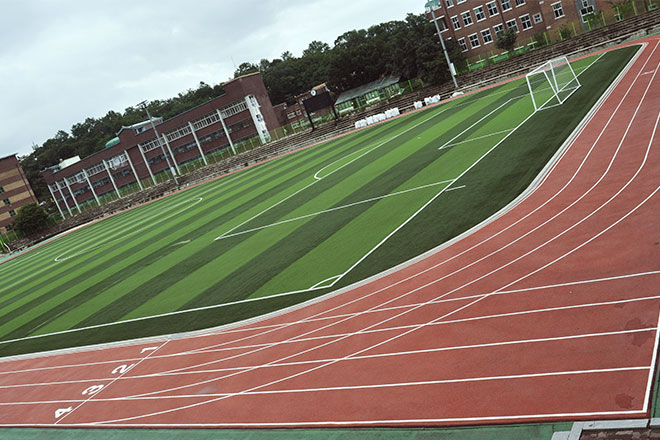
When planning a running track, one of the first questions that comes to mind is, “What is the running track construction cost?” Whether you’re constructing a track for a school, a sports facility, or a community center, understanding the cost factors involved is essential. A running track is an investment that can provide value for many years, offering a safe and professional space for athletes.
Factors Influencing Running Track Construction Cost
The running track construction cost varies based on several important elements. These include surface material, track size, geographic location, and optional amenities. Evaluating each factor carefully leads to more accurate budgeting and better project decisions.
- Track Surface Material: Surface selection remains one of the most influential pricing factors. Tracks can be built with asphalt, polyurethane, or rubber systems. Cost per square foot increases with higher-grade materials that deliver improved durability and athletic performance. Polyurethane and rubber systems typically require a larger upfront investment than asphalt, yet they deliver greater longevity and enhanced play characteristics.
- Track Dimensions: Track size plays a direct role in determining the running track construction cost. A standard outdoor track measures 400 meters, though dimensions vary depending on facility goals. Larger layouts require additional materials, surfacing layers, striping, and labor, which increases overall project expenses.
- Location and Site Preparation: The project location also impacts the running track construction cost. Sites that require grading, excavation, obstacle removal, or soil stabilization demand additional labor and equipment. Proper site preparation establishes a stable base, which protects the surface from premature cracking or uneven settling.
- Additional Features and Amenities: Some projects include extra features, such as lighting for night use, bleachers for spectators, or surrounding fences. These additional elements can contribute to the overall running track construction cost, though they may be necessary to meet specific requirements.
Different Surface Types and Their Impact on Running Track Construction Cost
Asphalt Tracks
Asphalt remains the most economical choice for many facilities. It delivers a dependable running surface suitable for recreational use. The running track construction cost for asphalt systems is typically lower, though resurfacing may be required more frequently compared to advanced materials.
Polyurethane Tracks
Polyurethane is a popular choice for running track construction because of its durability, flexibility, and smooth surface. It is ideal for both professional and recreational use, offering better performance compared to asphalt. The cost for polyurethane surfaces is higher than that of asphalt, but they require less maintenance and have a longer lifespan.
Rubber Tracks
Rubber systems rank among the highest-performing track surfaces. They deliver excellent traction, shock absorption, and durability in high-traffic environments. The running track construction cost for rubber surfaces is generally higher than asphalt or polyurethane, yet performance benefits and reduced repair needs often justify the investment.
Each material carries distinct pricing considerations, and the right selection depends on budget, usage level, and long-term maintenance planning.
Size Matters: Track Dimensions and Costs
A standard outdoor running track is typically 400 meters in length, with eight lanes. However, the size of the track can vary depending on your specific needs. The size of the track directly affects the running track construction cost, as a larger track requires more materials and labor.
For example, a standard 400-meter track with eight lanes will be more expensive than a smaller, 200-meter track with fewer lanes. If you’re constructing a running track for a high school, the size will typically be smaller, which can reduce the overall cost.
However, if you’re building a track for a professional facility or a community center, you may need to invest in a larger track.
Site Preparation and Costs
Before any running track construction can begin, the site must be prepared. This includes tasks such as leveling the ground, removing any obstacles, and making sure the area is stable enough to support a track. If the location requires extensive preparation, such as removing trees or digging into rocky soil, the cost will increase.
Proper site preparation is necessary to ensure the longevity of the track and that the surface is laid correctly. Skipping this step could lead to problems down the road, such as cracks or uneven surfaces, which can increase maintenance costs. This factor should be considered when estimating the running track construction cost.
Additional Features and Amenities
- Track Lighting: Installing lights for evening or night use is a popular feature for running tracks, especially in areas where sports are played year-round. Lighting systems can be costly to install, but provide the convenience of extended use.
- Fencing: Surrounding the track with a fence can enhance safety and help keep balls or equipment from leaving the track area. Fencing also adds to the overall cost, depending on the material and height.
- Bleachers or Spectator Areas: For community tracks or tracks used for organized events, bleachers or spectator seating can be an important addition. These features add to the comfort of viewers but will increase the cost.
At Armor Courts, we can help you assess what additional features will be most beneficial for your facility and budget. We work closely with clients to ensure the track meets their needs without overspending.
Maintenance Considerations and Cost Savings
While running track construction cost is an initial investment, maintenance costs should also be taken into account. Some track surfaces, such as asphalt, may require more frequent maintenance, such as resurfacing or patching cracks, which can add to the long-term costs.
On the other hand, surfaces like polyurethane and rubber require less maintenance and can save money in the long run. Choosing a durable material for your track is an important factor in reducing the need for repairs and replacements.
Your Partner in Running Track Construction
When it comes to running track construction, Armor Courts is the expert you can trust. We offer high-quality construction services and work closely with you to ensure that the track meets all your specifications while staying within your budget. With over 15 years of combined experience in athletic court construction, we are committed to delivering exceptional results that last.
Whether you’re building a running track for a school, sports complex, or community center, we present tailored solutions to meet your needs. Our team makes sure that every detail of the construction process is handled with precision, from site preparation to the final touches.
Get Started on Your Running Track Today
Are you ready to start your running track construction project? Our team is here to help guide you through every step of the process, from planning to installation. We offer high-quality service and craftsmanship, with a three-year guarantee on paint and a one-year guarantee on workmanship. Let us help you build the perfect running track for your facility.
For more information or to request a quote, contact us now and let Armor Courts bring your vision to life.