
Armor Courts
Tennis Court Resurfacing | Athletic Court Construction | Court Contractors/Builders

Benefits Of Installing Basketball Court Fencing
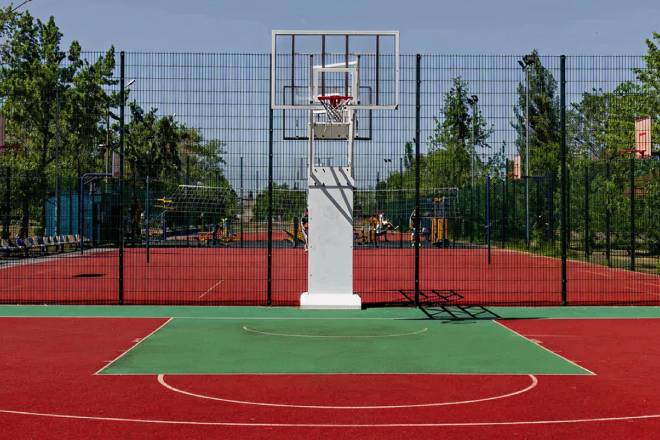
A basketball court fence can shape the way players enjoy a game. Many courts attract steady use from athletes of all ages, and a secure boundary helps protect both players and spectators. Thoughtful design also keeps the court organized, which allows every moment of play to stay focused. Basketball court fencing creates a safer environment, supports better flow, and helps the area look complete. With our experience building athletic courts, we understand how the right structure adds value, stability, and long-term performance.
Creating a Safer Playing Environment
A fence creates a safer space for everyone who steps onto the court. Games move fast, and the ball can travel far with one strong pass. A defined boundary limits how far the ball can go, so players remain inside the intended zone. This helps prevent sudden chases into driveways, parking lots, or nearby streets. A controlled perimeter also limits the chance of a collision with someone who walks close to the court during a game.
Feedback from players across different communities shows that a secure perimeter keeps their attention on the game. High school teams, recreational groups, and neighborhood enthusiasts often say that the fence removes the worry of chasing the ball. This simple barrier supports a stronger focus on movement, teamwork, and overall flow.
A fence also protects spectators. Friends and family members enjoy watching games from a safe distance. A fence acts as a buffer that keeps stray balls inside the boundary. Spectators can stand near the court with comfort, knowing that they have a clear and safe viewing area.
Helping Players Enjoy Consistent Flow
When a game feels smooth, everyone stays engaged. Basketball court fencing helps keep that rhythm going. Every time the ball rolls into a neighbor’s yard or toward a busy walkway, the game pauses. Those interruptions can limit the energy of the moment. A fence reduces those breaks by keeping the ball inside the court during most plays.
Children benefit from this even more. Younger players often use extra energy retrieving the ball from long distances. A fence allows them to stay active without constant interruptions. This helps build confidence with the sport and gives them more time to improve their skills.
We have also seen that a fenced court creates better practice sessions. Coaches can run drills without frequent stops. Shooters can repeat attempts at a quicker pace. Dribbling sessions become more efficient. All of this builds a stronger connection to the game and helps players progress faster.
Improving Protection for the Court Itself
A fence adds protection for the playing surface and equipment. Many outdoor courts sit near open spaces with trees, scattered debris, and variable weather. Leaves, branches, and yard waste can move onto the court during windy days. A fence reduces the amount of debris that enters the area. This helps keep the court clean for longer periods and limits disruption during high-activity weeks.
A clear perimeter also helps reduce damage to new surfaces. Without boundaries, some people take shortcuts across courts. Others may bring skateboards, bikes, or unrelated equipment into the area. These activities can leave scuffs or marks. A fence signals that the space has a clear purpose, so fewer people step into the area for unrelated use.
The fence also supports the longevity of any custom lines, fresh paint, and specialized surfacing. When the area receives less interference, the game lines remain crisp for longer periods. This adds to the overall playing experience.
Adding Security for Players and Equipment
Many communities use their courts during early morning sessions or after sunset when the air cools down. A fence with a gated entrance allows players to feel more comfortable during these times. A controlled entry helps keep unfamiliar individuals out of the area. This adds a layer of comfort for families, children, and players who practice alone.
Gated access also helps protect stored items such as temporary seating, training markers, or small equipment that may stay near the court. This supports longer use without unexpected losses. Many facility managers appreciate this detail because it reduces the need to replace items as often.
Security also matters for school courts, recreation centers, and shared community spaces. A fence limits access during times when the court is closed. This helps reduce off-hour activity and protects the court from misuse. It also allows maintenance teams to schedule their work without concerns about people entering the area.
Supporting Better Organization and Clear Boundaries
A fence brings structure to any court. Players understand where each game begins and ends. Younger players also benefit because it helps them learn important habits such as court awareness and spacing. With time, this awareness helps them grow into more confident athletes.
Clear boundaries also allow families to feel more comfortable when children are present. A fenced perimeter helps keep children inside the safe zone while adults supervise from the outside. This creates a calm environment for play and builds trust within the community.
A defined court also helps organize multi-sport locations. Many parks and recreation centers offer tennis, pickleball, and basketball in close proximity. A fence helps separate each activity, which reduces cross-movement and makes scheduling easier.
Enhancing Visual Appeal and Property Value
A well-built fence contributes to the overall look of a court. Chain-link fencing has a classic visual style that blends with most surroundings. Modern coatings and color treatments allow the structure to match nearby buildings or landscape features. This gives the space a polished appearance.
Property owners often notice that a fenced court can increase the appeal of the area. Facilities that use fences tend to look more complete and organized. Families and guests often perceive these courts as higher quality. This impression can increase interest from new members, tenants, or guests, depending on the location.
For private residences, a fenced court often becomes a showcase feature. Many homeowners use it as a gathering space for family nights, weekend games, and small community events. The fence helps create a sense of privacy and structure without limiting visibility.
Reducing Long-Term Maintenance Needs
A fence does not remove the need for maintenance, but it lowers the amount of work needed to keep the court in strong condition. By blocking debris, the surface remains clear for longer periods. This slows the buildup of wear on the paint and lines.
A fence also limits heavy foot traffic from non-players. This helps reduce the number of surface scratches that come from unrelated movement. Over time, this supports a smoother finish and helps maintain the court’s appearance.
Teams that schedule resurfacing every few years often choose fencing because it extends the value of each refresh. By reducing unnecessary impact, the court stays closer to peak condition.
Supporting Community Engagement and Safe Recreation
Parks, schools, clubs, and neighborhood groups all benefit from a fenced court because it creates a controlled area for organized play. Community sports programs often rely on fencing because it creates a clear space for practices and games. This structure allows coaches to manage groups with less interruption.
A fenced court also promotes a sense of teamwork and shared respect. Everyone understands where the game takes place and how to move within the boundaries. This supports smoother play and reduces misunderstandings.
Communities with fenced courts frequently report higher usage. Players feel comfortable returning because the area stays clean, organized, and predictable. This helps build a stronger recreational culture, which benefits families and children over time.
At Armor Courts, we take pride in building courts that support families, schools, and communities. Our work includes athletic court construction, resurfacing, repairs, and maintenance. We bring over fifteen years of combined experience to every project. Our team focuses on quality, long-lasting surfaces, and dependable craftsmanship. We stand behind our work with a three-year guarantee on paint and a one-year guarantee on labor.
If you want a court that feels complete, structured, and ready for years of play, we are here to help create a space that your community can enjoy with confidence.
- Categories: Blog, Court Fencing
- Tags: pickleball court, sporting court construction, tennis court construction, tennis court repair
Hard Court Guide Download
Download a free copy of our Hard Court Maintenance & Repair guide
Free