
Basketball Court Repair 101: Restoring Safety And Playability
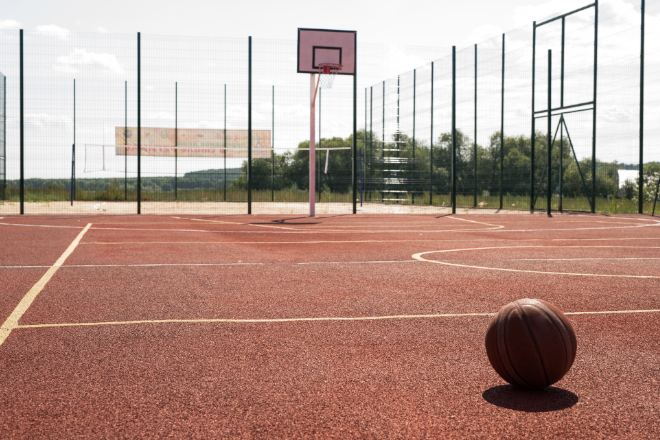
Surface wear rarely begins as a major issue. It often starts with faint discoloration, slight traction loss, or hairline cracking that gradually affects movement and ball response. Over time, these changes shift from cosmetic concerns into performance and safety risks. That is where basketball court repair becomes a practical consideration rather than a delayed decision.
Understanding how courts deteriorate, how repairs address specific problems, and when professional intervention becomes necessary helps property owners maintain a surface that plays consistently and remains safe under daily use.
Why Court Condition Directly Affects Playability
A basketball court functions as more than a flat surface. It serves as a performance layer that controls traction, ball bounce, and player movement. When that layer begins to degrade, the playing experience changes in noticeable ways.
Loss of traction leads to unstable footing, especially during quick direction changes. Surface inconsistencies affect ball response, creating uneven bounce patterns that disrupt gameplay. Small cracks may not seem serious at first, yet they expand under heat and moisture and eventually create trip hazards.
In high-use environments such as residential communities, schools, and multi-family properties, these issues develop faster due to repeated stress on the surface. Without timely attention, minor wear often grows into broader structural concerns that require more extensive basketball court repair.
Common Surface Problems That Require Basketball Court Repair
Outdoor courts in Florida face a unique set of environmental pressures. Heat exposure, moisture retention, and heavy rainfall all influence how surfaces age. Recognizing early signs of deterioration makes it easier to correct issues before they spread.
Cracking remains one of the most visible concerns. Fine surface cracks form as materials expand and contract with temperature changes. If ignored, these cracks widen and move into deeper layers, affecting the structural base.
Fading and coating breakdown occur after prolonged sun exposure. As color coatings wear down, traction decreases, leaving the surface smoother and less predictable during play.
Low spots, often called birdbaths, create areas where water collects after rain. These depressions accelerate surface damage and increase slipping risks.
Surface contamination also contributes to wear. Dirt buildup, algae growth, and debris accumulation reduce grip and change how the court feels underfoot.
Understanding the Basketball Court Repair Process
Effective repair work follows a structured sequence that addresses both visible damage and underlying causes. Skipping steps or treating only surface symptoms leads to short-lived results.
The process begins with a detailed assessment. This stage identifies crack patterns, surface wear levels, drainage concerns, and any base instability. A proper evaluation defines the scope of work and prevents mismatched repairs.
Cleaning comes next as a necessary preparation step. Pressure washing removes embedded debris, mildew, and contaminants that interfere with coating adhesion. A clean surface helps repair materials bond correctly.
Crack treatment involves sealing and stabilizing damaged areas using flexible systems designed to move with the surface. This reduces the chance of cracks reopening during temperature shifts. Surface leveling corrects depressions and uneven areas. Specialized mixtures restore a uniform playing field and improve drainage.
Resurfacing forms the final stage in most projects. Multiple coating layers rebuild texture, improve traction, and restore visual clarity. Line striping completes the process with accurate markings that meet standard dimensions.
When Resurfacing Becomes the Better Option
Not every issue can be resolved through isolated fixes. In many cases, resurfacing delivers a more efficient and longer-lasting result.
When surface wear extends across large areas, spot repairs create inconsistency in texture and appearance. Resurfacing unifies the entire court, restoring both performance and visual continuity.
Courts with widespread fading, traction loss, or multiple crack zones often benefit from a full resurfacing cycle. This approach addresses all problem areas at once instead of revisiting the surface repeatedly.
Resurfacing also opens the door to upgraded coating systems that improve durability and adapt to local climate conditions. In regions with high UV exposure and frequent rainfall, updated systems extend surface life and reduce maintenance frequency.
For property owners evaluating basketball court construction versus repair, resurfacing often serves as a cost-conscious alternative when the base remains structurally sound.
How Climate Conditions Influence Repair Needs
South Florida conditions place continuous stress on outdoor courts. Heat causes expansion in surface materials, while moisture seeps into small openings and accelerates deterioration.
UV exposure gradually breaks down coating layers, leading to color fading and reduced traction. Heavy rainfall exposes drainage issues, especially on courts with low spots or improper grading.
Humidity encourages algae growth, which creates slippery conditions and alters surface texture. These environmental factors work together, increasing both the frequency and urgency of repair needs.
Understanding these influences helps property owners anticipate problems instead of reacting to visible damage. Regular evaluations aligned with climate patterns extend the life of the court surface.
Comparing Basketball Court Repair and Tennis Court Repairs
While both services fall under hard court maintenance, differences exist in how surfaces are used and how damage develops.
Basketball courts experience repeated impact in concentrated areas, particularly near key zones and free-throw lines. This leads to localized wear patterns that require targeted attention.
In contrast, tennis court repairs often address distributed wear due to continuous player movement across the entire surface. Crack patterns may appear differently, and traction requirements vary based on sport-specific demands.
Despite these differences, both court types rely on similar repair principles. Surface preparation, crack stabilization, and coating systems remain consistent across applications, though execution varies based on usage patterns.
The Role of Preventative Maintenance in Reducing Repairs
Repair frequency often reflects how well a court has been maintained over time. Surfaces that receive routine care tend to deteriorate more slowly and show fewer structural issues.
Debris removal prevents buildup that traps moisture and weakens coatings. Drainage monitoring reduces the impact of standing water on surface integrity. Periodic inspections reveal early signs of wear before they expand into larger problems.
Preventative care does not remove the need for repairs, but it lowers the scale and cost of future work. It also helps maintain consistent play conditions for both recreational and competitive use.
Restore Your Basketball Court Before Minor Damage Turns Into Major Repairs
If your court has started to lose traction, show visible cracking, or collect water after rain, now is the time to act. Delaying repairs often leads to larger surface failure and higher costs. With us, you get a clear assessment, durable resurfacing systems, and workmanship backed by real accountability.
Call today or submit a request through our contact form to schedule your evaluation and get a detailed quote tailored to your court.