
Armor Courts
Tennis Court Resurfacing | Athletic Court Construction | Court Contractors/Builders

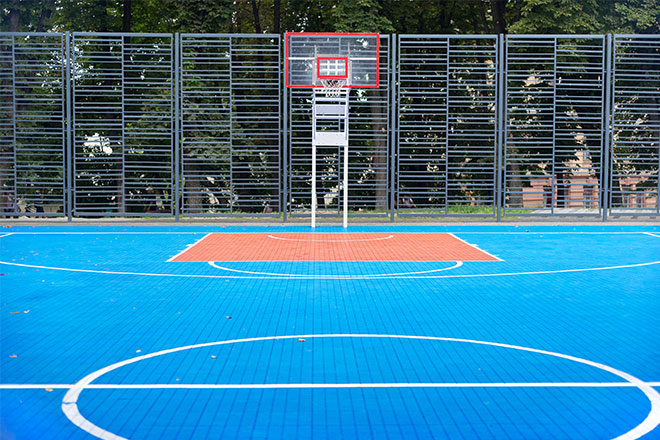
An outdoor basketball court is built from the ground up, and the surface plays a central role in how the court performs over time. It affects ball response, player movement, and durability through heat, rain, and repeated use. Selecting the right material can deliver years of dependable play. Choosing the wrong one may lead to cracking, faded lines, slippery areas, and joint discomfort after every game.
So, what is the best outdoor basketball court surface? The answer depends on budget, climate, frequency of use, and comfort expectations. Each material has strengths and limitations. Understanding how they compare makes it easier to determine the best outdoor basketball court surface for your specific setting.
What Defines a High-quality Outdoor Court Surface?
Before comparing materials, it helps to define what actually matters. A strong outdoor basketball court construction should offer:
- Consistent ball bounce
- Reliable traction
- Resistance to cracking and weather damage
- Reasonable maintenance demands
- Comfort during extended play
Outdoor courts must withstand sun exposure, moisture, temperature swings, and constant impact. Unlike indoor hardwood courts, they remain exposed to the elements throughout the year. Durability and surface stability are critical factors when selecting the best outdoor basketball court surface.
Asphalt: The Budget-friendly Standard
Why People Choose Asphalt
Asphalt is relatively affordable and widely available. Installation is straightforward, and many sports surfacing contractors have extensive experience working with it. When newly laid and sealed, it provides a solid ball response and a clean, uniform playing area.
It can also be upgraded with acrylic color coatings to improve traction and appearance.
Where Asphalt Falls Short
Over time, asphalt can crack, particularly in regions with extreme heat or frequent freeze-thaw cycles. Moisture may enter small fractures and expand in colder temperatures, leading to additional damage.
The surface also feels firm underfoot. Occasional recreational games may not highlight this issue, but regular training sessions can place stress on knees and ankles. Asphalt performs well when cost control is important, though it typically requires periodic sealing and resurfacing.
Concrete: Built for Longevity
Performance Advantages
Concrete provides a consistent ball bounce and holds up well under heavy use. When installed correctly with control joints, it resists shifting and structural problems for many years. Compared to asphalt, concrete typically needs less frequent resurfacing. It tolerates high foot traffic and intense gameplay.
Potential Drawbacks
Concrete is extremely hard, which increases joint impact during running and jumping. Extended play sessions can lead to fatigue. Falls on concrete are also more intense.
Cracking can still occur over time. While minor cracks may not immediately affect gameplay, they can become more noticeable as the court ages. Initial installation costs are usually higher than those of asphalt, particularly when reinforcement is included.
Acrylic-Coated Systems: Performance Upgrade
What Acrylic Adds
Acrylic systems improve traction through textured finishes. They reduce glare, protect the base surface from UV exposure, and add vibrant color options.
Some systems include cushioned layers beneath the top coat. These layers provide added shock absorption without sacrificing ball response.
Long-term Considerations
Acrylic coatings require periodic reapplication. Over time, color may fade and surface texture may wear down. With proper care, however, they can maintain strong performance and appearance for years. If you want a court that looks sharp and plays smoothly, acrylic coatings are a major step up from raw asphalt or concrete.
Modular Interlocking Tiles: Modern and Comfortable
Modular sports flooring has grown in popularity, especially for residential and training courts. These snap-together panels install over an existing concrete or asphalt base.
Why Tiles Stand Out
Many tile systems feature a suspended design that introduces built-in shock absorption. This reduces joint strain compared to solid slabs. Drainage channels allow water to pass through, which minimizes puddling and speeds up drying after rainfall.
Design flexibility is another advantage. Custom color patterns, borders, and logos can be incorporated into backyard courts, increasing visual appeal and property value.
Points to Consider
High-quality tile systems come with a higher upfront cost than basic asphalt. The performance also depends heavily on the quality of the base underneath. If the underlying slab is uneven, the finished court may not feel perfectly smooth.
In very hot climates, lower-grade tiles may expand or fade. Choosing a reputable brand helps avoid these issues. For residential players seeking comfort and style, modular tiles often rank near the top.
Cushioned Sports Systems: Premium Performance
Benefits of Cushioned Layers
Cushioned sports systems are designed to reduce impact stress during running, cutting, and jumping. Multiple elastic layers absorb a portion of the force generated during play, which can significantly decrease strain on knees, ankles, and hips.
This difference becomes especially noticeable during extended practice sessions or high-intensity training. Many athletes report lower levels of fatigue and improved recovery compared to harder surfaces such as untreated concrete.
Despite the added cushioning, ball bounce remains consistent and responsive. The shock-absorbing layers are engineered specifically for athletic performance, maintaining predictable rebound while improving player comfort. For facilities that prioritize long-term joint health and competitive-level play, cushioned systems represent a strong premium option.
Investment Level
These systems require a skilled basketball court construction contractor and higher material costs. They are best suited for facilities where performance and player comfort justify the added expense.
Climate and Environment Matter
Your local climate plays a big role in surface selection. Hot regions can soften asphalt slightly and cause expansion in some tile systems. Cold climates put stress on both asphalt and concrete through freeze-thaw cycles. Proper drainage and a well-prepared sub-base help extend lifespan.
Areas with frequent rainfall benefit from surfaces that shed water efficiently. Modular tiles with drainage channels often perform well in these conditions. Acrylic-coated systems also resist moisture better than untreated slabs.
South Florida Athletic Court Construction & Resurfacing Experts
Ready to bring your outdoor court plans to life? Armor Courts is a family-owned court construction and resurfacing company based in Boynton Beach, Florida, serving clients throughout South Florida and beyond. We specialize in high-quality outdoor sport surfaces for basketball, tennis, pickleball, multipurpose courts, and modular sport flooring.
Our experienced team works with homeowners, schools, parks, HOAs, and commercial facilities to design, build, and renovate courts that last for years and play smoothly. With custom color options, professional installation, and competitive pricing, Armor Courts turns your vision into a durable, playable space you will enjoy with family, teams, and guests. Contact us today to get a quote.