
Armor Courts
Tennis Court Resurfacing | Athletic Court Construction | Court Contractors/Builders

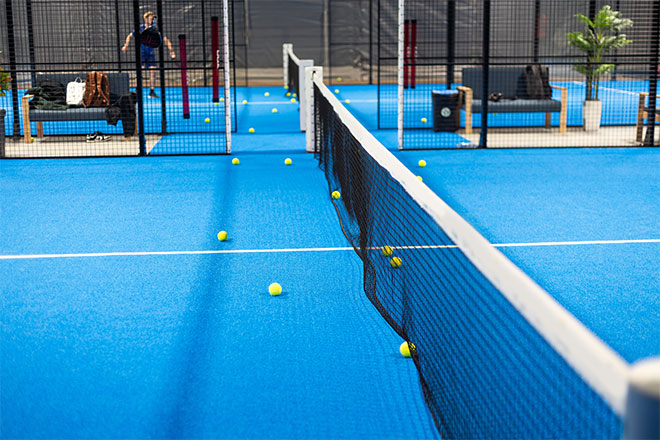
Indoor pickleball has evolved from a shared gym activity into a dedicated sport with specialized facilities, leagues, and tournaments. As more clubs and private venues invest in permanent courts, one question continues to surface: What is the best indoor pickleball court surface?
The right choice depends on player expectations, facility goals, budget, and long-term maintenance planning. Ball bounce, traction, joint comfort, and acoustics all influence performance in a controlled indoor setting.
Below is a detailed comparison of the most common indoor pickleball court surface options and how each performs.
What Matters Most in an Indoor Surface?
Indoor courts eliminate weather-related concerns, yet they introduce other important factors such as sound control, lighting reflection, and durability under constant use.
A strong indoor pickleball surface should offer:
- Predictable ball response
- Reliable traction for quick lateral movement
- Comfortable impact for repetitive play
- Durability under heavy foot traffic
- Manageable maintenance demands
Because indoor facilities often host back-to-back games, surface wear can happen faster than on lightly used outdoor courts. That is why professional pickleball court resurfacing becomes an important part of maintaining consistent playability, traction, and appearance in high-traffic indoor facilities.
Hardwood Gym Floors
Traditional hardwood basketball courts still host a significant number of indoor pickleball games. Schools, community centers, and multipurpose gyms frequently rely on wood as a shared athletic surface.
- Performance on Hardwood
Hardwood produces lively ball bounce and a familiar feel for athletes who transition from basketball or volleyball. The smooth finish offers moderate grip when kept clean and properly maintained.
Recreational players often find hardwood suitable for casual games. Temporary pickleball lines can be taped or painted onto existing courts without major structural changes.
- Limitations of Wood
Hardwood requires ongoing care, including sanding and refinishing over time. Dust buildup or minor moisture exposure can reduce traction and create slippery areas.
Scheduling can also become a challenge in shared facilities. Pickleball groups must coordinate court time around other sports. Dedicated clubs often prefer a specialized indoor pickleball court surface designed specifically for racquet sports performance.
Hardwood works well for multipurpose environments, but it may not fully meet the needs of facilities focused primarily on pickleball.
Concrete with Acrylic Coating
Why Facilities Choose This System
Concrete delivers structural strength and long-term stability. When topped with a textured acrylic sports coating, the slab gains improved traction and consistent ball bounce.
Acrylic systems also allow custom color combinations and crisp, high-contrast court striping. Indoors, color vibrancy remains stable for years due to limited ultraviolet exposure.
Comfort Considerations
Concrete is hard. Without added cushioning layers, it can feel tough during extended play sessions. For competitive environments where players expect fast-paced games, this firmness is often accepted. For recreational or senior-heavy leagues, additional cushioning may be preferred.
Some facilities install cushioned acrylic systems that include elastic layers beneath the top coat. These systems reduce joint strain while maintaining performance.
Cushioned Sports Flooring Systems
Performance Benefits
Cushioned systems reduce stress on knees, hips, and ankles during running and directional changes. Players who compete multiple times per week often notice lower fatigue levels.
Ball bounce remains consistent because the cushioning is engineered to balance shock absorption with surface responsiveness. The surface feels firm enough for competitive rallies without creating a soft or unstable sensation.
Cost and Installation
Cushioned floors require specialized materials and a licensed pickleball court construction contractor. Upfront costs are higher than basic concrete coatings. However, facilities focused on long-term member retention often view comfort as a valuable investment.
For clubs targeting older players or high-frequency users, cushioned systems can be a strong contender.
Vinyl Sports Flooring
Why Vinyl Is Attractive
Vinyl provides a slightly softer feel compared to bare concrete. It is also easier to clean and maintain. Many products offer good traction and consistent color.
Because vinyl systems can be installed over existing subfloors, renovation projects may move faster compared to full slab replacements.
Trade-Offs
Lower-grade vinyl may show wear in high-traffic areas. Sheet vinyl seams must be properly sealed to prevent lifting. Continuous heavy play or equipment movement can compress certain zones over time. Vinyl performs well in community centers and light-commercial settings. High-volume competitive clubs may lean toward other systems for maximum durability.
Modular Indoor Court Tiles
Advantages of Modular Tiles Indoors
Modular sports flooring systems feature a suspended design that promotes airflow beneath the surface. Indoors, this reduces trapped moisture and contributes to floor longevity.
The textured finish delivers a consistent grip, and some tile systems include mild shock absorption. Installation is often faster than pouring and curing a new slab.
Color customization and clearly defined markings add visual appeal and clarity. For facilities seeking flexible installation and modern design, modular systems can serve as a versatile indoor pickleball court surface.
Points to Consider
The subfloor must be level for optimal performance. Any irregularities in the base can translate to the finished surface. Higher-end modular systems are designed to maintain ball consistency, but cheaper products may feel slightly different from traditional acrylic courts.
For facilities seeking flexibility and fast installation, modular indoor tiles can be an appealing option.
Maintenance and Longevity
Indoor athletic court maintenance is vital for consistent performance, as dust and debris reduce traction. Regular cleaning preserves performance and appearance.
- Hardwood requires refinishing over time.
- Acrylic coatings may need resurfacing after years of heavy use.
- Vinyl and modular tiles may require section replacement if damaged.
When comparing surfaces, think beyond installation cost. Consider how often the court will host play and how easy it is to repair or refresh the surface.
Florida Pickleball Court Construction & Resurfacing Experts
Ready to create a high-performance indoor pickleball space? Armor Courts specializes in professional pickleball court construction and resurfacing in Florida. Our team designs and installs custom courts using premium acrylic coating systems and sport surfaces built for consistent ball response and long-term durability.
From new court construction to converting existing indoor spaces, we handle layout design, surface preparation, color coatings, and precision striping. We work with homeowners, clubs, schools, and commercial facilities to deliver courts tailored to their space and level of play.
If you want an indoor pickleball court that looks sharp and performs game after game, Armor Courts is ready to build it. Contact us today.