
12 Indoor Athletic Courts Ideas That Transform Any Room Into A Multi-Play Space
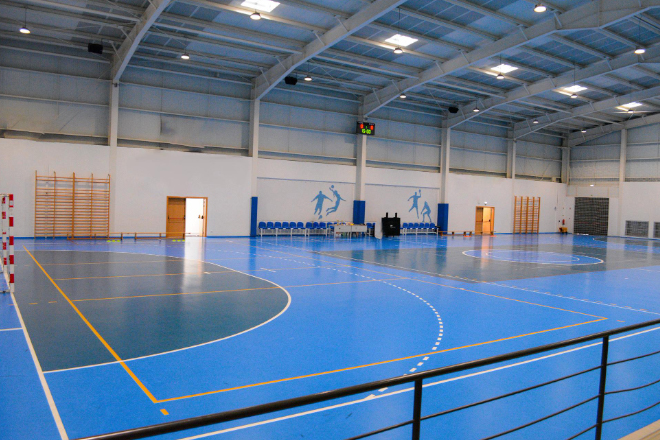
Space inside a home or facility holds more potential than most property owners realize. With the right indoor athletic court ideas, a standard room can shift into a structured, high-use activity zone built for year-round play. Climate control removes weather limits, while thoughtful layout decisions shape how the court performs over time.
From compact half-courts to fully integrated multi-use surfaces, indoor environments make it possible to control layout precision, protect surface quality, and maintain consistent play conditions that outdoor courts cannot always guarantee.
Multi-Sport Layouts that Maximize Every Square Foot
One of the most effective indoor athletic court ideas involves designing a single surface that supports multiple activities. Basketball, volleyball, and pickleball can share the same court through layered line striping and adaptable equipment systems. This approach reduces unused space and keeps the court active throughout the day.
Clear zoning through color separation or subtle line contrast helps players switch between activities without confusion. Adjustable systems, such as removable nets or height-modified hoops, keep transitions quick. Multipurpose court construction works best when dimensions are planned early, not adjusted later.
Half-Court Designs for Space-Conscious Builds
Not every indoor project has the square footage for a full court. A half-court layout offers strong functionality while working within tighter spatial limits. It fits well in garages, basements, and converted interior rooms where width and length are fixed.
Maintaining accurate proportions is more important than maximizing size. Proper key placement, arc spacing, and boundary alignment preserve gameplay quality. In many cases, a well-designed half-court performs more effectively than a compressed full-size layout.
Dedicated Activity Zones Within One Court
Larger indoor spaces benefit from segmented layouts. Instead of layering all sports on a single shared area, the court can be divided into defined zones for different activities. This prevents overlap during group use and allows simultaneous training or play.
Basketball shooting lanes, agility training sections, or skill-development areas can coexist within one environment. Carefully planned floor markings and subtle surface differentiation define each zone while maintaining overall visual cohesion. This approach works especially well in shared recreational or family-use spaces.
High-Performance Flooring Systems that Absorb Impact
Surface selection plays a central role in indoor court performance. Unlike outdoor asphalt or concrete, indoor systems prioritize shock absorption, traction, and controlled ball response. Hardwood, modular tiles, and coated concrete each serve different performance needs.
Hardwood remains a preferred choice for basketball-focused spaces due to its consistent bounce and joint-friendly performance.
Modular tile systems introduce flexibility and simplify future court repairs when sections wear down. Coated concrete offers a more budget-conscious option while still delivering reliable durability when properly finished.
Ceiling Height and Clearance that Improve Playability
Vertical clearance is often an overlooked factor in indoor design. Low ceilings restrict shot arcs and limit natural movement, which reduces overall play quality. Adequate height allows full-range motion, particularly for basketball and volleyball.
Even in compact builds, careful placement of lighting and structural elements can improve perceived vertical space. A clear overhead environment reduces visual distractions and supports smoother gameplay, helping separate functional courts from restrictive ones.
Integrated Storage that Keeps the Court Clear
Clutter negatively impacts both safety and performance. Built-in storage solutions help maintain a clean playing surface while extending equipment lifespan. Recessed shelving, wall-mounted racks, and locker-style systems keep gear organized without reducing usable space.
Storage planning should reflect actual usage patterns. Frequently used items such as balls, nets, and training equipment require quick access. Organized storage also reduces surface wear by limiting unnecessary dragging or accidental impact.
Spectator and Lounge Areas that Expand Functionality
Indoor courts do not need to serve only active players. Adding seating or adjacent lounge zones transforms the space into a shared social environment. Family members, guests, or teammates can observe without interfering with gameplay.
Bench seating, raised platforms, or side-wall integration create clear separation between play and viewing areas. This design increases the overall value of the space and encourages longer use periods.
Lighting Systems Designed for Indoor Play Conditions
Lighting has a direct impact on visibility, reaction time, and player comfort. Even distribution across the surface prevents shadows and reduces glare, which supports better performance during fast-paced play.
LED lighting systems work well for indoor courts due to their consistent output. Placement is just as important as brightness. Fixtures should be positioned to avoid direct sightlines that interfere with ball tracking or upward movement.
Multi-Use Technology that Enhances the Experience
Modern indoor athletic court ideas increasingly incorporate technology to expand functionality. Sound systems, digital displays, and smart lighting create adaptable environments suited for multiple activities.
Audio systems can energize training sessions, while screens support game analysis or instructional playback. Smart lighting controls allow adjustment based on activity type, shifting from competitive play to relaxed use with ease.
Recovery and Wellness Additions Within the Space
Some of the most advanced indoor athletic court ideas now include recovery-focused features. Adding wellness zones alongside the court creates a more complete athletic environment. Recovery areas, stretching spaces, or cooling zones support physical balance after activity.
Positioning these areas near the court allows smooth transitions between training and recovery. This layout works especially well in residential and multi-user facilities where extended use is common.
Flexible Equipment that Adapts to Different Sports
Adaptability defines a well-planned indoor court. Equipment that adjusts or moves easily allows the space to evolve based on need. Retractable hoops, portable nets, and modular systems keep the court versatile without permanent alterations.
This flexibility reduces the need for separate courts and keeps the area relevant over time. It also simplifies court maintenance by limiting fixed installations that may require repair or replacement.
Surface Finishes that Improve Grip and Longevity
Indoor courts require finishes that balance traction with durability. Too much grip affects movement, while too little increases slip risk. Professional-grade coatings create a consistent surface that performs under repeated use.
These finishes also protect against wear, especially in high-traffic zones. Over time, court resurfacing services may be needed to restore texture and appearance. Planning for long-term upkeep keeps the court performing as intended.
Planning for Maintenance From Day One
Indoor courts still require structured upkeep. Dust accumulation, surface wear, and equipment stress can affect performance. A maintenance-ready design simplifies cleaning and reduces long-term costs.
Accessible layouts, durable materials, and clear usage zones all contribute to easier court maintenance. Early planning also helps identify areas that may require periodic court repairs, preventing small issues from expanding.
Build Your Indoor Court With Confidence
At Armor Courts, we design and build indoor courts that align with how spaces are actually used. With us, every project reflects practical layout planning, durable materials, and performance-focused construction.
Our team handles everything from multipurpose court construction to court maintenance and court repairs, backed by a three-year paint guarantee and one-year workmanship coverage.
Call us, submit a form, or request a quote to start building a court that fits your space and your goals.