
Armor Courts
Tennis Court Resurfacing | Sport Court Construction | Court Contractors/Builders

What To Do For Tennis Court Maintenance
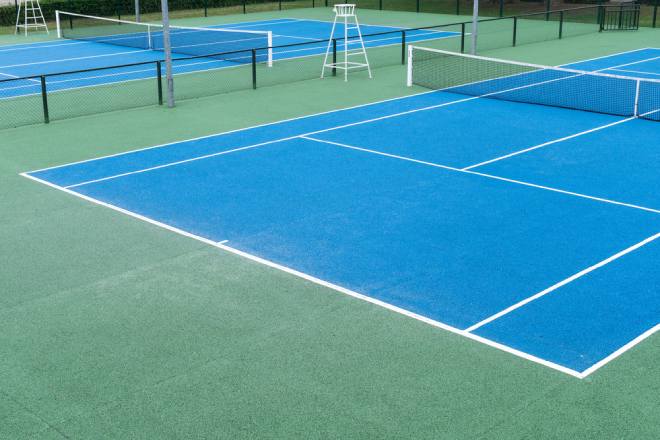
A great tennis court sets the tone for every match before the first serve. Surface grip, ball response, and visual condition all shape how enjoyable the game feels. When tennis court maintenance is handled properly, play stays smooth and predictable instead of frustrating. Many courts lose performance because small details get ignored over time. This guide walks you through practical care steps that keep your court playing the way it should.
Why Regular Tennis Court Maintenance Matters
Regular tennis court maintenance protects how the court plays, how safe it feels, and how long the surface lasts. Dust, moisture, and small debris slowly change traction and ball bounce when they stay on the surface after rain and regular play sessions outdoors daily. Ignored buildup also increases slip risk and causes coatings to wear unevenly across high-use areas. Consistent care keeps problems small, improves daily play, and reduces the chance of disruptive repairs later. Courts that receive routine attention stay more predictable for players and maintain their appearance longer, even during busy seasons and frequent recreational use periods.
Keep the Court Clean to Protect the Playing Surface
Keeping the court clean is one of the simplest ways to protect surface quality and playing comfort. Leaves, sand, dirt, and grit act like sandpaper under shoes and balls, which slowly wear coatings and change ball response. Sweeping or blowing the court on a regular schedule removes abrasive material before it settles into the surface texture. Moisture should also be cleared after rain or irrigation because lingering water weakens coatings and encourages staining. Gentle tools work best since stiff brooms, pressure washers, and harsh cleaners can scar the surface. Cleaning should focus on baselines, service boxes, net areas, and edges where debris collects fastest. A clean court looks better, drains faster, and delivers more consistent play day after day. This habit also helps spot small issues early and keeps the court ready whenever players arrive for casual games and practice.
Manage Water and Drainage to Prevent Surface Damage
Water is one of the fastest ways a tennis court surface can break down when it has nowhere to go. After rain or irrigation, moisture that lingers on the court softens coatings and increases the chance of stains forming over time. Pooled water also creates slick areas that affect footing and player confidence during movement. Drainage paths should be checked regularly so water moves away from the court instead of collecting near low spots or edges. Even small puddles can lead to uneven wear if they appear in the same place repeatedly. Clearing drains, watching runoff patterns, and removing standing water promptly helps the surface dry evenly. Courts that shed water properly recover faster after storms and stay playable more often. This habit also protects color quality and surface texture across the entire playing area.
Inspect the Court Regularly for Early Signs of Wear
Surface problems rarely appear overnight, which makes regular observation a smart habit for any court owner. Hairline cracks, fading lines, and worn texture often show up first in high-traffic zones like baselines and service boxes. These small changes affect ball response and footing long before major damage becomes visible. Nets, posts, and surrounding edges also deserve attention since movement and moisture stress these areas over time. Catching issues early allows simple repairs that keep play consistent and reduce disruption. Ignoring early warning signs lets damage spread and increases the repair scope later. A short walk around the court each month builds awareness and keeps maintenance decisions proactive rather than reactive. Documentation helps track patterns and supports planning for surface work.
Seasonal Tennis Court Maintenance Tasks You Should Not Skip
Changing weather places different demands on an outdoor tennis court throughout the year. Spring is a good time to wash away winter residue, check drainage paths, and clear growth from shaded areas. Warmer months bring heavier use, so cleaning schedules should tighten, and line visibility should be reviewed more often. Fall calls for frequent debris removal as leaves and organic matter collect and hold moisture. Cooler periods are ideal for inspecting coatings, joints, and edges before problems grow. Mold and algae should be addressed early to protect traction and appearance. Seasonal planning also helps prepare courts for tournaments or busy recreational schedules. Adjusting care by season keeps the surface stable, reduces surprise issues, and supports reliable play no matter the time of year. Thoughtful timing improves budgets, reduces downtime, and keeps players confident when conditions change across the entire calendar.
When Resurfacing Becomes Part of Proper Maintenance
Daily care keeps a court performing well, but surfaces still reach a point where deeper work makes sense. Court resurfacing refreshes texture, restores color, and corrects minor imperfections that cleaning cannot address. Most hard courts reach this stage after several years of regular use, weather exposure, and routine maintenance cycles. Warning signs include persistent cracking, slick areas, fading that affects visibility, and uneven ball response. Addressing these conditions through resurfacing improves safety and playing comfort without full reconstruction. Timing matters because early resurfacing limits prep work and shortens downtime. Courts consistently maintained tend to resurface more smoothly and last longer afterward. Viewing resurfacing as planned care rather than a last resort helps owners budget and keep play quality year after year.
Bring It All Together with Smart Tennis Court Maintenance
Good tennis court care comes from steady habits, timely checks, and an understanding of how surfaces age over time. Cleaning, drainage control, inspections, seasonal planning, and resurfacing all work together to protect play quality. When these steps stay consistent, courts remain safer, more predictable, and visually appealing for players. Small actions done regularly prevent larger disruptions later. A clear maintenance approach also helps owners plan budgets, reduce downtime, and keep courts ready for everyday use and special events year-round.
We support every part of this process through professional tennis court maintenance, repairs, and resurfacing services. Our team works with residential properties, HOAs, and recreational facilities to address surface wear before it escalates. From routine care guidance to full resurfacing projects, we focus on durable results and clear communication. With quality materials, proven methods, and written guarantees, we help courts perform better and last longer across many outdoor environments today.
Contact us to schedule an inspection or discuss your court needs. A short conversation can clarify options, timelines, and next steps for protecting your tennis court with professional support today.
- Categories: Blog, Court Maintenance
- Tags: pickleball court, sporting court construction, tennis court construction, tennis court repair
Hard Court Guide Download
Download a free copy of our Hard Court Maintenance & Repair guide
Free