
Armor Courts
Tennis Court Resurfacing | Sport Court Construction | Court Contractors/Builders

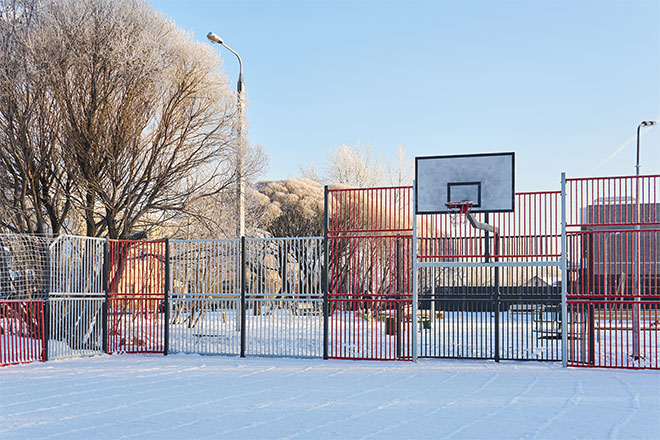
Cold temperatures, snow, and ice can affect outdoor playing surfaces in ways many owners do not expect. Understanding how to winterize a basketball court helps protect its finish, structure, and playability through harsh conditions. Proper preparation reduces wear, prevents costly damage, and helps your court remain safe and ready when warmer weather returns.
How to Winterize A Basketball Court by Starting with Surface Cleaning
Before winter sets in, removing dirt, leaves, and organic debris protects the playing surface from trapped moisture. Organic materials hold water against the court, which can freeze and expand as temperatures drop, leading to cracks and surface separation. Early cleaning keeps the surface drier and reduces the risk of structural stress during cold weather.
Routine cleaning also helps preserve traction and color clarity, which can fade when debris remains on the surface. This early step connects directly to long-term basketball court maintenance because contaminants accelerate wear over time. A clean surface allows owners to identify small issues early, which helps avoid more extensive repair needs after winter passes.
How to Winterize a Basketball Court by Inspecting for Damage
Detailed surface inspections reveal cracks, peeling coatings, or uneven areas that may worsen during freezing conditions. Small openings permit water to settle beneath coatings, where freezing temperatures trigger expansion and further separation. Addressing these defects early shields the surface from deeper structural complications caused by winter moisture.
Minor imperfections often expand during repeated freeze and thaw cycles. Repairing these areas before winter blocks moisture intrusion and preserves the court foundation. This approach maintains consistent ball response, player safety, and overall surface condition.
How to Winterize a Basketball Court by Managing Moisture Exposure
Moisture exposure presents one of the greatest threats to outdoor court longevity during the winter months. Water can seep into small surface gaps and expand when frozen, gradually weakening coatings and structural layers. Preventing standing water protects the court from expansion-related stress and deterioration.
Proper drainage remains essential when considering how to winterize a basketball court effectively. Surrounding areas should direct water away rather than permit pooling. Healthy drainage patterns reduce freezing risks and preserve the stability of coatings and base materials.
How to Winterize A Basketball Court by Protecting Court Equipment
Hoops, nets, and posts face significant exposure during winter, especially when ice forms on metal components. Cold temperatures may weaken materials over time, increasing the potential for corrosion or structural wear. Protecting equipment during winter extends its lifespan and reduces avoidable weather-related damage.
Removing detachable components or installing protective coverings limits contact with snow and ice. Equipment protection also prevents heavy snow buildup from stressing mounting systems. These steps preserve safety and functionality when play resumes in warmer months.
How to Winterize a Basketball Court by Removing Snow Carefully
Snow removal helps prevent excessive weight from settling on the court surface for extended periods. Heavy snow can compress surface coatings and introduce moisture when melting begins, which increases wear risks. Removing snow regularly helps limit prolonged moisture exposure and protects the overall structure of the playing surface.
Using appropriate tools helps avoid scratching or damaging protective coatings during snow removal. Soft, non-abrasive tools help clear snow without affecting the court finish. This approach protects surface integrity while allowing moisture to dissipate safely without causing structural stress.
How to Winterize a Basketball Court by Avoiding Harmful Chemicals
Certain ice removal products contain chemicals that weaken coatings and protective layers. Harsh substances may react with court materials, leading to discoloration and premature surface deterioration. Selecting compatible de-icing alternatives preserves the finish and maintains consistent playing performance.
Limiting chemical exposure protects both appearance and structure. Repeated use of aggressive agents increases the risk of long-term damage. Thoughtful product selection reduces these concerns and strengthens overall durability.
How to Winterize a Basketball Court with Protective Coverings
Protective coverings shield surfaces from direct contact with snow, ice, and debris. These barriers reduce moisture exposure and limit freezing stress on coatings. Covering the court also preserves traction and surface quality for future use.
Tarps and specialized covering systems help maintain surface condition while minimizing post-winter cleanup. Reduced debris contact keeps the court in better shape when the season changes. This added layer of defense extends coating lifespan and preserves playability.
How to Winterize a Basketball Court by Planning Seasonal Resurfacing
Winter preparation also includes evaluating the condition of court coatings before and after the cold season. Surface wear from previous seasons can increase vulnerability to winter damage. Addressing resurfacing needs helps restore surface integrity and protects against additional deterioration during cold exposure.
Professional resurfacing strengthens protective layers and restores consistent traction and appearance. Updated coatings help shield the court from moisture, freezing stress, and environmental wear. This preparation helps maintain long-term performance and improves the overall durability of the playing surface.
Protecting Your Court for Long-Term Performance
Taking the time to prepare your outdoor basketball court for winter helps protect its structure, appearance, and usability. Preventative steps reduce damage risks caused by freezing temperatures, moisture exposure, and heavy snow.
Proper winter care helps preserve your investment and keeps your court ready for safe play when spring arrives. Thoughtful preparation also protects painted lines, surface texture, and underlying base materials from seasonal stress that can gradually weaken performance.
Consistent seasonal preparation also helps extend the lifespan of surface coatings and structural layers. When courts receive proper care before and during winter, they are less likely to develop cracks, fading, or traction issues.
This proactive approach helps maintain playing quality and reduces the need for extensive repairs or resurfacing in the future. Over time, regular winter maintenance contributes to stable ball response, dependable footing, and a cleaner overall appearance that reflects pride in ownership.
Protect Your Court with Armor Courts
Winter conditions can accelerate surface wear, which is why our team at Armor Courts specializes in professional sport court construction and resurfacing designed to withstand harsh weather. If your court needs protection or resurfacing, contact us today to restore its durability and long-term performance.