
Armor Courts
Tennis Court Resurfacing | Athletic Court Construction | Court Contractors/Builders

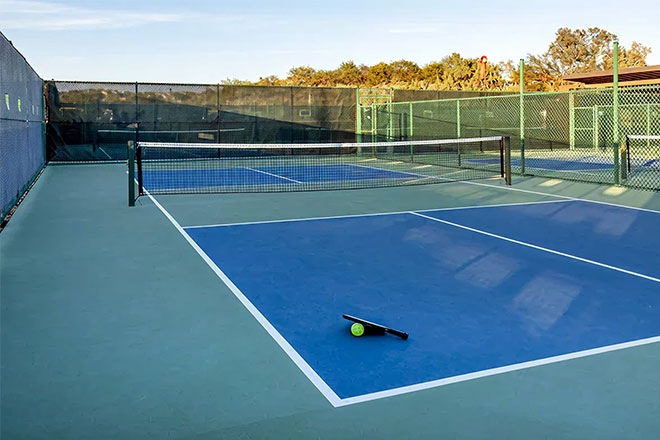
Surface wear rarely announces itself all at once. Color fade, minor cracking, and subtle texture changes tend to appear gradually, often unnoticed until play quality starts to decline. That reality drives a common question among facility managers and private owners alike: how often do tennis courts need to be resurfaced.
The answer depends on more than time alone. Usage patterns, surface materials, climate exposure, and original tennis court construction all influence resurfacing cycles.
Understanding these factors early helps owners protect playability, manage budgets, and avoid deeper surface failure.
Why Tennis Court Resurfacing Timing Matters
Resurfacing does more than refresh appearance. Acrylic coatings control traction, regulate ball response, and protect the underlying asphalt or concrete base. When resurfacing is delayed too long, surface fatigue spreads beyond the coating layer. Cracks widen, moisture penetrates deeper, and repairs become more involved.
Courts resurfaced on an informed schedule maintain consistent play characteristics and avoid disruptive downtime. Facilities that wait until problems escalate often face longer closures and higher repair demands. Timing shapes both performance outcomes and long-term surface value.
Typical Resurfacing Timeframes for Tennis Courts
Most hard tennis courts require resurfacing every four to eight years under normal conditions. Courts at the lower end of that range often see heavy daily use or face harsher weather cycles. Residential courts with lighter play and routine maintenance may reach the upper end.
Clay courts fall outside this range, as they rely on frequent grooming rather than traditional resurfacing cycles. This discussion focuses primarily on acrylic hard courts, which dominate public, private, and institutional facilities across the country.
How Usage Levels Influence Resurfacing Frequency
Foot traffic remains one of the strongest predictors of resurfacing needs. Public parks, clubs, and schools experience constant directional movement, pivoting, and braking. These forces accelerate texture loss and coating wear.
Residential courts with limited weekly play experience slower surface breakdown. Even so, occasional high intensity use combined with weather exposure still contributes to gradual deterioration. Monitoring wear patterns helps owners adjust resurfacing timelines based on actual use rather than assumptions.
Climate and Environmental Impact on Court Surfaces
Environmental stress plays a quiet but powerful role. UV exposure fades pigments and weakens acrylic binders. Freeze thaw cycles expand micro cracks within the surface. Excess moisture challenges drainage systems and encourages coating separation.
Courts in regions with heavy rainfall, extreme heat, or seasonal temperature swings often require resurfacing more frequently. Proper slope, drainage, and base preparation during tennis court construction reduce these risks but never eliminate them entirely.
The Role of Original Court Construction Quality
A well built court ages differently than one installed with shortcuts. Base compaction, slab thickness, drainage planning, and surface slope influence how stress distributes across the court. Courts built to proper specifications resist cracking and surface distortion more effectively over time.
Owners who invest in professional tennis court construction typically experience longer intervals between resurfacing cycles. When resurfacing does occur, repair scope often remains limited to surface layers rather than structural corrections.
Signs That Indicate Resurfacing Is Needed
Visual and performance indicators often appear before serious damage develops. Surface color dulls in high traffic zones. Traction decreases, creating slippery play after light moisture. Hairline cracks begin forming patterns rather than isolated lines.
Ponding water after rain signals drainage or slope fatigue. Uneven ball bounce suggests texture loss or base movement beneath the coating. Addressing these signs early through professional tennis court resurfacing limits escalation and restores consistent play conditions.
How Maintenance Extends Time Between Resurfacing
Routine care delays resurfacing needs by reducing surface stress. Removing debris prevents organic staining and moisture retention. Trimming nearby vegetation allows sunlight to dry surfaces more evenly.
Prompt crack repair stops water intrusion that accelerates base damage. Periodic cleaning preserves surface texture and color integrity. These practices do not replace resurfacing, but they stretch its lifespan and preserve surface performance.
Resurfacing Frequency for Multipurpose Courts
Many tennis courts also serve pickleball or recreational programs. Multi-use layouts experience different wear patterns due to varied footwork and directional movement. Additional line paint layers can also affect surface texture over time.
Courts supporting multiple sports often require resurfacing closer to the four to six year range. Balancing surface specifications for tennis play while supporting other activities requires thoughtful resurfacing planning.
Start Your Tennis Court Resurfacing Plan With Armor Courts
We approach resurfacing as surface management, not cosmetic refresh work. Our team evaluates usage patterns, climate exposure, and construction history before recommending timing and scope. With over fifteen years of combined experience, we restore courts with balanced traction, consistent play response, and dependable durability.
We stand behind our work with clear guarantees and practical guidance, helping owners schedule resurfacing with confidence and long-term performance in mind.