
Armor Courts
Tennis Court Resurfacing | Sport Court Construction | Court Contractors/Builders

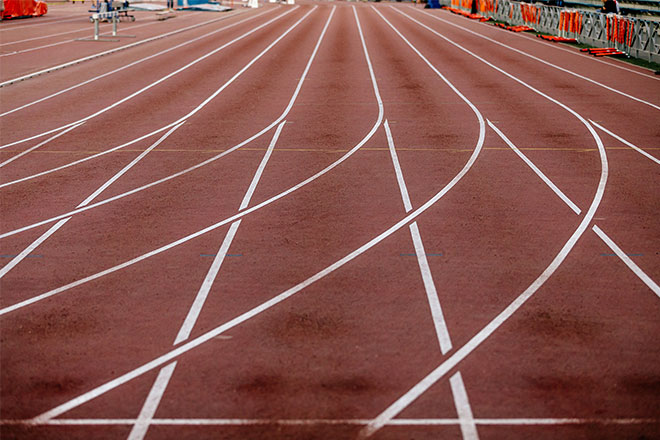
When evaluating track resurfacing cost for your facility, the goal is often to improve performance and extend the life of your running track. Over time, every track surface experiences wear that leads to resurfacing needs.
Asphalt, polyurethane, and rubber surfaces all require proper maintenance to remain in excellent condition. Understanding track resurfacing cost requires careful evaluation of the surface type, track size, and the current state of the existing material.
Factors That Affect Track Resurfacing Cost
Track resurfacing cost can vary widely based on several important factors. Each of these elements should be reviewed carefully to determine the total investment required for the project.
Surface Type
Different track materials carry different resurfacing expenses. Resurfacing a rubber track generally costs more than resurfacing asphalt due to material complexity and labor intensity.
Rubber systems are known for durability and athletic performance, though they require a higher investment. Polyurethane systems, commonly installed in competitive environments, typically fall between asphalt and rubber in overall expense.
Track Size
The size of the track plays a major role in determining track resurfacing cost. A standard 400-meter track with eight lanes will obviously be more expensive to resurface than a smaller track with fewer lanes. Track size impacts both the amount of material required and the labor costs for the project.
Current Condition of the Track
If the track is in poor condition, resurfacing may involve additional repairs before the new surface can be applied. Cracks, uneven surfaces, or damage from weather conditions could require extra work, increasing the overall track resurfacing cost. Thorough inspection of the track before resurfacing is necessary to assess what additional work may be required.
Location and Site Accessibility
The location of your facility can also impact the cost of resurfacing. If the site is difficult to access or if it requires special equipment to complete the work, the costs can rise. Local labor rates and transportation costs for materials may also contribute to the total cost.
Types of Surfaces and Their Impact on Track Resurfacing Cost
Asphalt Tracks
Asphalt remains one of the most economical resurfacing options. While durable, asphalt surfaces can crack and degrade due to heavy usage and environmental exposure. The resurfacing process is relatively straightforward, though patching and crack repair may add to the overall cost if damage is extensive.
Polyurethane Tracks
Polyurethane tracks are often used for professional and high-performance facilities. Resurfacing these tracks requires a more intricate process, as the material needs to be applied in layers for the best results. While the polyurethane track resurfacing cost is higher than that of asphalt, it offers better performance, durability, and a smoother running experience.
Rubber Tracks
Rubber systems are common in high-performance facilities. These tracks deliver excellent shock absorption and long-lasting resilience. Resurfacing rubber tracks involves detailed installation procedures and specialized materials, which increases cost. The result is a durable surface built to handle frequent, high-volume activity.
Each surface type has its own set of benefits, and choosing the right material for your facility depends on factors such as budget, usage, and long-term maintenance considerations.
Why Timely Resurfacing Is Important
Postponing resurfacing often leads to higher expenses over time. Surface deterioration can progress into deeper structural problems that require significant repair or full replacement. Timely resurfacing maintains visual appeal and reduces safety risks associated with cracks, uneven sections, or exposed base materials.
A properly maintained track helps athletes perform confidently and reduces injury risk. Scheduling resurfacing at appropriate intervals extends surface lifespan and helps control long-term expenses linked to neglect.
The Process of Track Resurfacing
- Preparation: The existing track surface is thoroughly inspected. Cracks, holes, and other damage are repaired to ensure the foundation is stable for the new surface. This may involve filling cracks or adding a leveling layer to ensure an even surface.
- Surface Repair: If structural damage exists beneath the top layer, corrective measures are taken. Foundation cracks, separation points, or drainage issues are addressed before resurfacing continues.
- Application of New Surface: After preparation and repairs, the new system is installed. This may involve applying fresh asphalt layers, polyurethane coatings, or rubberized materials, depending on the selected surface. Technicians carefully distribute materials to create a smooth, consistent finish.
- Curing and Drying: The resurfaced track must fully cure before reopening. Proper curing strengthens durability and enhances resistance to wear from athletic activity and weather exposure.
How Armor Courts Can Help with Track Resurfacing
Armor Courts specializes in track resurfacing for all types of sports facilities. Our team has over 15 years of experience in sports court construction and resurfacing, and we know exactly what it takes to restore your track to its original condition.
We understand that track resurfacing costs can vary, and we work with our clients to ensure the best solution within their budget. Our commitment to quality means that we provide a three-year guarantee on paint and a one-year guarantee on workmanship to ensure you are completely satisfied with our services.
Contact Armor Courts for Your Track Resurfacing Needs
If you’re ready to resurface your running track or want to learn more about track resurfacing costs, reach out to Armor Courts today. Our team will assess your track’s current condition and provide a tailored plan that fits your needs.
Whether you need track resurfacing or are looking to build a new facility, Armor Courts is your trusted partner for high-quality, long-lasting sports surfaces. Contact us today to get started.