
Armor Courts
Tennis Court Resurfacing | Athletic Court Construction | Court Contractors/Builders

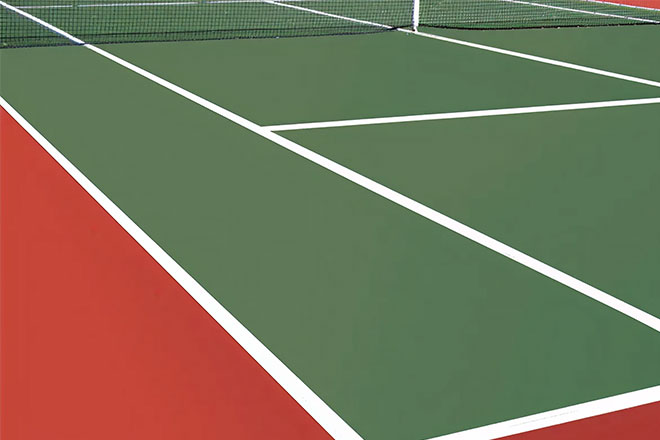
Planning court maintenance often starts with one direct question: how much does it cost to resurface a tennis court? Pricing matters because resurfacing is both a performance upgrade and a long-term investment in safety and play quality. Most tennis court resurfacing projects fall within a predictable price range, yet the final number rarely looks the same from one court to another. Surface condition, materials, usage, and environment all influence what resurfacing truly costs. Clear information helps you plan with confidence rather than guesswork.
Average Cost to Resurface a Tennis Court and What Influences Pricing
The average cost to resurface a tennis court typically ranges from $4,000 to $10,000 for a standard hard court. Courts in good condition that only need cleaning, minor crack filling, and fresh coatings often fall closer to the lower end of that range. Projects that require more preparation, repairs, or upgraded systems tend to move toward the higher end.
For larger facilities or courts with extensive wear, costs can exceed this range depending on the scope of work. These numbers reflect common industry averages rather than fixed prices.
Pricing varies because resurfacing is not a one-size process. Each court has its own history of use, exposure, and maintenance. Cracks, drainage issues, faded coatings, and uneven areas all affect labor time and material needs. Material selection also plays a role, since different surfacing systems offer different durability and comfort levels. Understanding these factors early helps explain why two courts of the same size can receive very different quotes.
Court Surface Condition and Required Repairs
Surface condition plays a major role in resurfacing costs because preparation work sets the foundation for everything that follows. Courts with minor surface wear, light cracking, or faded color usually need basic cleaning, crack filling, and new coatings. Those projects tend to stay closer to average pricing ranges.
Courts showing deeper cracks, low spots, or drainage problems require more intensive preparation before any resurfacing materials can be applied. Labor time increases as repair needs increase, which directly affects overall cost.
Structural issues also influence pricing because they affect performance and safety. Cracks that move or widen over time must be treated correctly to avoid early surface failure. Low areas that hold water need leveling to prevent pooling and surface breakdown. Skipping these steps may reduce upfront cost, yet it often leads to faster wear and earlier resurfacing needs. A proper evaluation of surface condition allows costs to reflect what the court actually needs rather than a surface-level fix.
Type of Resurfacing System and Materials Used
The resurfacing system and materials selected have a direct impact on overall cost and long-term performance. Standard acrylic resurfacing systems are commonly used and tend to be more budget-friendly. These systems refresh color, restore traction, and improve playability when the court structure remains sound.
Higher-grade acrylic products can offer better color retention and surface consistency, which affects pricing. Material quality often reflects how well the surface holds up under regular play and weather exposure.
Cushioned resurfacing systems add additional layers that help reduce joint stress and improve comfort. These systems require more materials and labor, which raises the total project cost.
Some courts also use specialized coatings designed for higher durability or specific play speeds. Each material option carries its own balance of upfront cost and surface lifespan. Choosing the right system depends on how the court is used and what level of performance is expected over time.
Court Usage, Traffic, and Environment
Usage patterns shape how quickly a surface wears and how much work resurfacing requires. Residential courts with occasional play usually experience slower surface breakdown than courts used daily by multiple players. Schools, clubs, and community courts often show heavier wear in high-impact areas like baselines and service boxes.
Frequent play increases friction, which affects coating thickness and surface texture. Higher traffic levels often call for additional preparation and more durable resurfacing systems.
Environmental exposure adds another layer of cost consideration. Sun intensity can fade coatings and weaken surface binders over time. Rain and humidity affect how cracks form and how water moves across the court. Areas with frequent moisture may need extra attention to drainage and surface leveling.
Climate conditions influence both material selection and labor time, which helps explain price differences between courts in different settings.
Court Size, Layout, and Custom Features
Layout dimensions influence resurfacing cost because labor and materials scale with total surface area. Regulation tennis courts follow standard measurements, yet the surrounding run-off space can expand the work zone. Nonstandard layouts often require extra masking, measuring, and coating adjustments.
Multiple courts completed in one project change pricing calculations by spreading setup time across surfaces. Line striping also adds detail work, especially when precision and visibility matter for consistent play. Court access and surrounding features can further affect preparation time and crew movement.
Customization choices raise costs because they extend labor time beyond basic resurfacing. Color selections that involve multiple tones require additional coating passes. Multi-sport line layouts increase measuring and striping work. Net post replacements, fencing repairs, and court accessories also factor into project totals.
These additions may seem minor, yet they contribute to overall pricing accuracy during planning. Clear decisions early help align expectations with scope and reduce unexpected changes once resurfacing begins.
Timing, Location, and Project Scheduling
Project timing influences resurfacing cost because labor availability and demand shift throughout the year. Busy seasons often bring tighter schedules, which can affect pricing and lead times. Courts scheduled during optimal weather windows allow coatings to cure properly, which supports surface quality and durability.
Location also matters since travel distance, site access, and local conditions shape how crews plan each project. Courts that are easy to access with clear staging areas usually allow work to move more efficiently.
Scheduling flexibility can help manage costs more effectively. Projects planned well in advance often avoid rush fees and material availability challenges. Weather patterns such as extended rain or high humidity can slow progress and require adjusted timelines.
Urban locations may involve additional coordination related to noise limits or access restrictions. Thoughtful scheduling balances surface quality, project efficiency, and cost expectations while supporting a smoother resurfacing process from start to finish.
From Cost Factors to Smart Resurfacing Choices
Tennis court resurfacing costs vary because every court tells a different story through its condition, materials, usage, layout, and environment. Average pricing provides a helpful starting point, yet true accuracy comes from understanding how these factors work together.
Courts with minimal wear often stay closer to baseline ranges, while courts needing repairs or upgraded systems require a larger investment. Timing and planning also shape outcomes by affecting labor flow and surface performance. Clear expectations lead to better decisions and longer-lasting results.
At Armor Courts, we help translate these factors into clear and realistic resurfacing plans. Our team focuses on professional tennis court resurfacing, surface repairs, and long-term maintenance solutions designed for durability and play quality.
We also support multi-sport layouts, modular sports flooring, and ongoing court care to extend surface life. Our experience allows us to assess each court based on real conditions rather than assumptions. That approach leads to accurate pricing and surfaces built to perform.
If you are ready to explore resurfacing options or request a personalized estimate, contact us today. A conversation with our team helps turn planning into confident action.