
Armor Courts
Tennis Court Resurfacing | Sport Court Construction | Court Contractors/Builders

How Much Does It Cost To Build A Tennis Court?
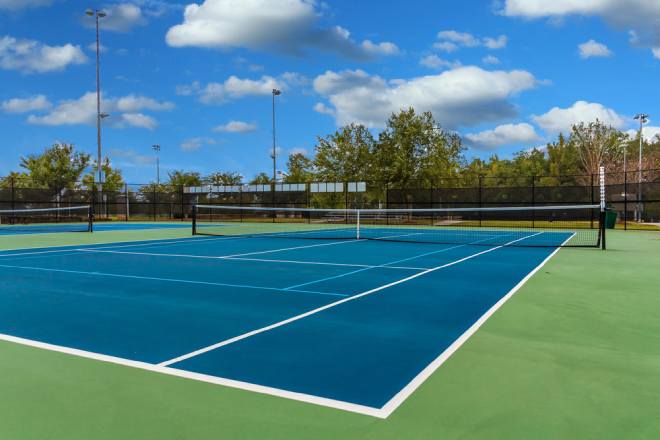
Thinking about adding a tennis court to your property often starts with one big question about budget. You may wonder what goes into pricing and why estimates can feel so far apart. The cost to build a tennis court depends on more than size alone, and every choice you make plays a role in the final number. Land conditions, surface options, and how often the court will be used all shape the investment. Knowing what affects pricing helps you plan with confidence instead of guessing. This guide walks you through costs, decisions, and planning insights so you can move forward informed and prepared.
A Realistic Cost Range for Building a Tennis Court
Pricing for a tennis court can feel confusing at first because published numbers often cover very different types of projects. For most outdoor courts, budgets usually start at around $100K and increase from there depending on ancillary items such as lighting, etc. Lower ranges usually apply to simpler builds on flat land with standard materials. Higher ranges reflect upgraded surfaces, complex groundwork, or added features like fencing and lighting. These numbers represent planning ranges rather than fixed quotes. Viewing cost as a flexible range helps you focus on priorities instead of chasing a single number.
How Your Property Affects Tennis Court Construction Cost
Your property plays a major role in how a tennis court is designed and priced. Flat land with stable soil allows construction to move efficiently and keeps preparation costs lower. Sloped lots, poor soil, or limited access can increase labor and equipment needs. Drainage planning often depends on how water moves across your site during heavy rain. Space constraints also affect layout and orientation, which can influence fencing and grading work. Access for machinery matters more than many expect. Tight entry points may require smaller equipment and longer timelines. Evaluating these factors early helps align expectations and avoid last minute changes. This preparation shapes budgets and scheduling from the beginning.
Choosing the Right Tennis Court Surface for Your Budget and Cost to Build a Tennis Court
Surface selection shapes both play experience and long-term spending, which makes it a major decision during planning. Asphalt and concrete bases with acrylic coatings remain popular because they balance durability and predictable ball response. Cushioned systems raise upfront cost, but offer added comfort and joint relief for frequent play. Climate also matters since heat, moisture, and sun exposure affect how surfaces age over time. Maintenance expectations should match how often the court will be used. A surface that fits your budget today should still support consistent performance years later.
Why Base Construction and Drainage Matter More Than You Think
What sits beneath the surface often determines how a tennis court performs over time. A properly built base supports even weight distribution and helps the playing surface respond consistently. Poor groundwork can lead to cracks, uneven bounce, and premature wear that raises repair costs. Water management also plays a major role because trapped moisture weakens materials and shortens surface life. Careful attention to base construction and drainage protects your investment and keeps play conditions reliable year after year.
Cost Differences Between Private, Community, and Club Courts
Usage level changes how a tennis court is designed and priced across different settings. Private courts often focus on personal play habits, which can limit features and control costs. Community courts must handle steady traffic, so materials and base work are selected for durability and safety. Club courts usually require higher standards for performance, lighting, and amenities to support frequent matches and events. These expectations increase construction complexity and long-term planning needs, which makes early usage planning important for budgeting accuracy and scheduling decisions over the lifespan of the facility and anticipated resurfacing cycles based on use pattern levels.
Hidden Expenses That Can Impact Your Final Tennis Court Budget
Unexpected costs often appear when planning stops at surface pricing alone. Permits and local approvals can add time and fees before construction even begins. Court orientation mistakes may require adjustments that affect fencing, drainage, or lighting placement. Access limitations sometimes lead to added labor or specialized equipment needs. Early wear can also become an issue when preparation is rushed or when materials are mismatched to usage. Accounting for these less visible factors helps you avoid budget strain later. Thoughtful planning brings clarity to the full investment rather than just the initial build phase.
Planning for Durability Instead of Short-Term Savings
Long-term performance should guide decisions when weighing upfront price against how the court will age under regular play and changing weather. Materials, base preparation, and drainage choices influence how often repairs appear and how soon resurfacing becomes necessary over time for owners planning. Cheaper options may reduce initial spend but can lead to uneven bounce, surface fatigue, and higher maintenance demands during extended use cycles. Thinking beyond the first season helps align construction choices with safety, comfort, and consistent play quality for different skill levels and ages. A durability-focused approach supports better value by reducing interruptions, preserving surface integrity, and extending the court’s usable life for years ahead.
Bringing Your Tennis Court Vision Together with Confidence
Building a tennis court involves more than picking a surface and setting a budget. Cost ranges shift based on land conditions, usage type, base construction, drainage planning, and long-term expectations. Each section of this guide highlights how early decisions influence performance, maintenance, and total investment over time. Clear planning helps avoid surprises and supports courts that play consistently year after year. Viewing construction as a complete system rather than a single price tag leads to better outcomes.
Our team helps you navigate every step of tennis court construction with clarity and experience. We specialize in tennis court construction, resurfacing, repairs, and ongoing court maintenance, with solutions designed for private, community, and club settings. As a family-owned business with over fifteen years of combined experience, we focus on high-quality sport surfaces built to last. Our work is backed by a three-year paint guarantee and a one-year workmanship guarantee, giving you added confidence long after construction is complete.
Ready to plan your tennis court the right way? Reach out to us to start a conversation and explore options tailored to your property, goals, and budget.
Hard Court Guide Download
Download a free copy of our Hard Court Maintenance & Repair guide
Free