
Armor Courts
Tennis Court Resurfacing | Athletic Court Construction | Court Contractors/Builders

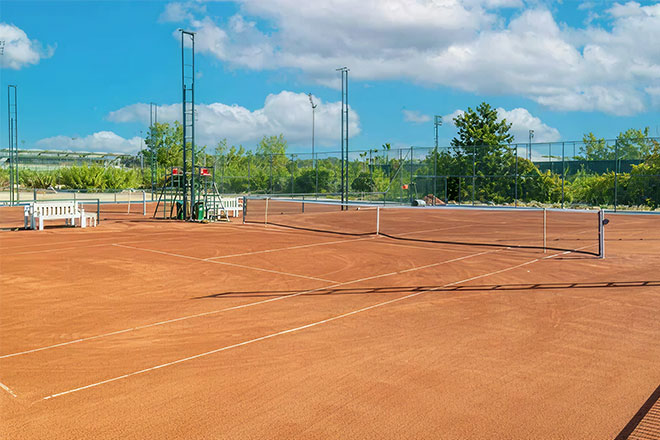
Planning a clay tennis court often starts with a simple question about budget and value. Costs can feel unclear because clay courts differ from hard surfaces in materials, preparation, and care. Homeowners, clubs, and communities often want clear numbers without marketing noise. Discussion around clay court construction cost works best when it explains what shapes pricing and why ranges exist. Transparency helps you plan with confidence while weighing performance, comfort, and long-term ownership decisions for your space and timeline needs.
Average Clay Court Cost in the United States
Pricing for a standard clay court in the United States usually falls within a broad range rather than a single figure. Most professionally built courts cost between thirty thousand and eighty thousand dollars, depending on scope. Lower figures often reflect minimal site work and straightforward layouts.
Higher totals appear when drainage systems, grading, or premium clay materials are involved. Climate, access to equipment, and regional labor rates also influence the final number. Viewing averages as planning markers rather than promises prevents surprises. Clear expectations early allow you to match your budget with the type of court you truly want. That context supports better conversations before any design decisions begin and helps scheduling and funding stay realistic for your project planning.
Factors That Influence Clay Court Construction Costs
Several elements shape total construction pricing long before surface material enters the picture. Site preparation often carries the greatest weight since clearing, grading, and base construction set the foundation. Drainage plays a major role because clay requires controlled moisture to perform well.
Court size and layout also affect material volume and labor time. Location matters as transportation and local labor rates vary. Permits and access constraints can add steps to the process. Understanding these factors helps you interpret quotes with clarity rather than confusion. Early evaluation keeps planning grounded and helps prevent revisions that raise costs later.
Natural Clay vs. Engineered Clay Courts and Cost Differences
Clay courts generally fall into two categories that influence pricing and upkeep. Natural clay uses crushed brick or stone layered over a prepared base. Engineered clay systems blend traditional feel with stabilizing materials that reduce daily labor. Upfront costs for engineered options can be higher due to materials and installation methods. Natural clay may start lower yet demands more frequent attention. Playing characteristics, drainage behavior, and climate response differ between the two.
Choosing between them depends on use level, maintenance preferences, and long-term goals. Both surfaces can deliver excellent performance when built correctly, matched to the environment, and supported by proper base preparation and water management.
Ongoing Maintenance Costs for Clay Courts
Ownership of a clay court includes regular care beyond the initial build. Daily or weekly tasks often involve brushing and moisture control. Rolling keeps the surface firm and even over time. Seasonal attention may include adding material and correcting low areas. Water usage and labor frequency affect annual budgets.
These costs vary based on climate and how often the court sees play. Viewing maintenance as part of the experience supports surface quality and player comfort. Clear expectations help owners plan resources without frustration while protecting long-term performance and appearance.
Is a Clay Court Worth the Investment?
Value often matters as much as initial pricing when choosing a surface. Clay courts offer a softer playing experience that many players appreciate. Reduced joint impact can support longer play sessions. Visual appeal and traditional character also add to perceived worth. For clubs and communities, clay courts can stand out as premium amenities. Private owners often value comfort and playability over raw speed.
Weighing these benefits against cost helps you decide if the investment aligns with your priorities. Usage patterns, maintenance commitment, and available space all shape that decision for residential properties, shared facilities, and recreational environments with varying needs and expectations today across regions and climates alike overall now.
Ready to Plan Your Clay Court With Confidence?
Clay court projects succeed when cost, surface choice, site conditions, and long-term care are considered together. Throughout this guide, we covered how pricing ranges form, why preparation and drainage matter, and how maintenance fits into ownership.
At Armor Courts, we help with every step of clay court construction, from new builds to resurfacing and ongoing maintenance programs. Our experience also extends to multipurpose courts and modular flooring when spaces serve more than one use. That full scope allows us to align design, performance, and budget without guesswork.
If you are ready to talk through your options, contact us by phone or request a quote through our site. We are happy to review your space and help you move forward with clarity.