
Armor Courts
Tennis Court Resurfacing | Athletic Court Construction | Court Contractors/Builders

How Much Does It Cost To Build A Basketball Court?
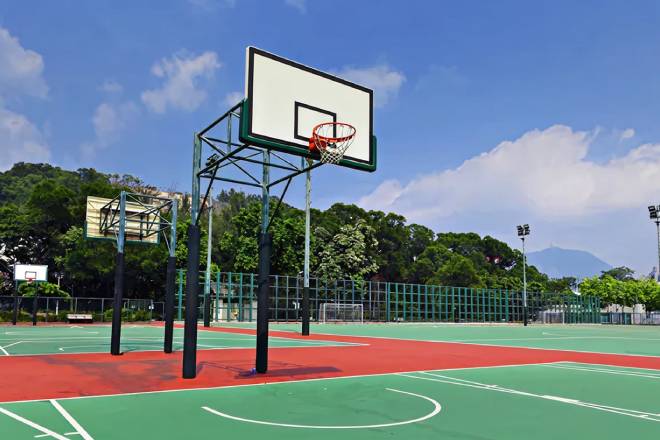
Many homeowners and property owners reach a point where they start exploring the idea of building a private court. The first question that naturally comes up is this: how much does it cost to build a basketball court? The answer varies, and the wide range often surprises people. Costs depend on size, surface, preparation work, and the performance features a person may want. Our team at Armor Courts has helped many families and facilities work through these details, and we understand the different factors that shape the final price of a project.
Building a basketball court carries a mix of technical requirements and design choices. A court can be simple or advanced, and those decisions influence the budget. Some clients want a full regulation size, and others want a half court placed in a backyard. Some prefer a basic asphalt system, while others want a modular surface with specific performance upgrades. Each of these paths affects the outcome. To help you understand what goes into the work, we want to walk through the elements that create the overall cost.
Understanding Court Size and Dimensions
The size of the court sets the foundation for every other cost. A full-size court takes more material, more labor, and more preparation than a half court. A standard full court used in many facilities measures ninety-four feet by fifty feet. This layout supplies enough room for competitive play. Many homeowners choose a smaller layout because it fits better behind the house. A half court usually spans around forty-seven feet by fifty feet, but exact sizing can shift based on available space.
Larger spaces require more surfacing material, more paint, and more base work. That creates a higher starting point for the project budget. A smaller half court may reduce the overall amount of work, which lowers the total. When property owners begin planning with us, we start with measurements. Those measurements allow us to map out the area, prepare the ground, and choose a surface system that meets the needs of the project.
Site Preparation and Groundwork
Site preparation plays a major role in the total cost. Before a surface goes down, the ground must be stable. That means grading, leveling, and forming a compact, consistent base. Some yards are already fairly level. Others need adjustments. When drainage is not ideal, we address that as well. Water issues can weaken a court over time, so proper preparation helps us build a surface that stays strong for years. The more complex the preparation, the more labor hours it takes.
A flat, open space is easier to work with. Tight spaces, slopes, and soft soil can increase the workload. Every court we have installed begins with a close review of the land. We want the base to perform as expected, hold the surfacing system, and create a reliable play area.
Surface Material Choices
Surface selection shapes performance, appearance, and cost. Some clients choose asphalt for its simplicity. Asphalt courts often carry a lower initial price. Concrete is another option that offers long-term strength. Both options require proper curing and a painted finish to create the final look of the court.
Modular surfacing systems add another layer of performance. These systems sit on top of a stable base and offer shock absorption, traction, and comfort. They cost more than asphalt, yet they deliver smoother play and easier long-term care. The right surface depends on use. Some families want a court for recreational games. Others want a surface that supports extended practice sessions or multi-sport use.
When we guide customers through surface options, we talk about both performance and budget. A long-lasting system with strong durability can reduce long-term maintenance needs. Those factors matter when planning the total project spend.
Labor and Installation Steps
Labor costs depend on the amount of work required to bring the court to life. Once the base is prepared, our team moves through each stage of installation. This includes surfacing, painting lines, placing the hoop system, and adding any accessories. Larger courts require more time. Extra features such as lights, fencing, and padding also add to the labor schedule.
We plan every project around a clear timeline. This allows property owners to anticipate when the court will be ready. A straightforward layout without many extras carries a shorter installation schedule. A more advanced layout with added features takes longer and increases the labor portion of the budget.
Additional Features That Influence Budget
Many property owners choose to add features that improve the experience. Lighting allows evening play and extends the usable hours of the court. Fencing keeps basketballs contained in the play area. Surface coatings and upgraded hoop systems also add to the final cost. These items are optional, yet they make a significant difference in how the court feels day to day.
Those planning a backyard setup often prefer at least one feature that improves convenience or safety. For example, a durable hoop system supports better play. A higher-end backboard offers better bounce and sound. These choices help the court feel complete.
Estimated Cost Ranges
Outdoor basketball courts fall into a broad cost range. A basic half court may land near the lower side of the spectrum, while a full-size court with upgraded materials sits higher. Asphalt courts fall toward the lower range. Modular systems that support high performance fall near the upper end.
This is where clients often ask a related question: how much to build a basketball court? The answer depends entirely on the choices made during planning. A simple asphalt half court requires less material and less labor. A modular full court with lighting and fencing will cost more. Every element adds to the final number, and that is why a clear assessment at the start helps everyone understand the total investment.
Long-Term Maintenance Considerations
Maintenance costs matter when evaluating the full life of a court. Asphalt may need periodic resurfacing. Concrete can require repairs if cracks form over time. Modular surfaces may need cleaning or replacement tiles based on usage. Each material has its own long-term profile. The initial cost is only part of the story. A durable surface reduces the number of repairs needed in later years.
When people ask us about total investment, we want them to think about both the present and the future. A well-built court with strong materials delivers years of play with fewer interruptions. That saves money and keeps the court in great shape.
Why Costs Can Vary So Widely
Some property owners are surprised by the spread between low and high estimates. Court building draws from many trades. It touches on grading, construction, surfacing, painting, and finishing. Labor rates vary by location. Material choices introduce their own range of costs. Premium surfaces cost more yet improve play and long-term comfort. Extras such as lights and fencing expand the budget. This makes every project unique.
When people start planning with us, we walk them through each step so they understand each item that appears in the final quote. Transparency helps clients make choices that align with their goals.
Indoor Courts Follow a Different Pricing Pattern
Indoor courts carry their own costs. Gym flooring systems involve different materials, including wood or synthetic flooring. The preparation, layout, and finishing steps differ from outdoor systems. Indoor systems also require clear coating and specific line painting designed for indoor use. The final cost reflects these unique needs. Indoor layouts usually cost more, yet they offer year-round play.
Bringing Everything Together
People often search for a single number when they start researching basketball court construction. The truth is that the basketball court construction cost depends on many factors. Size, material, site work, features, and long-term performance all shape the final total. A conversation with an experienced installation team creates a clearer picture.
At Armor Courts, we take pride in helping families, schools, and communities bring their court ideas to life. Our work covers everything from preparation to surfacing, painting, and finishing. Each court reflects care and craftsmanship, and we stand behind that work with a three-year paint guarantee and a one-year workmanship guarantee. If you have been thinking about building an athletic court, we welcome the chance to help you shape a plan that fits your vision.
Hard Court Guide Download
Download a free copy of our Hard Court Maintenance & Repair guide
Free