
Armor Courts
Tennis Court Resurfacing | Athletic Court Construction | Court Contractors/Builders

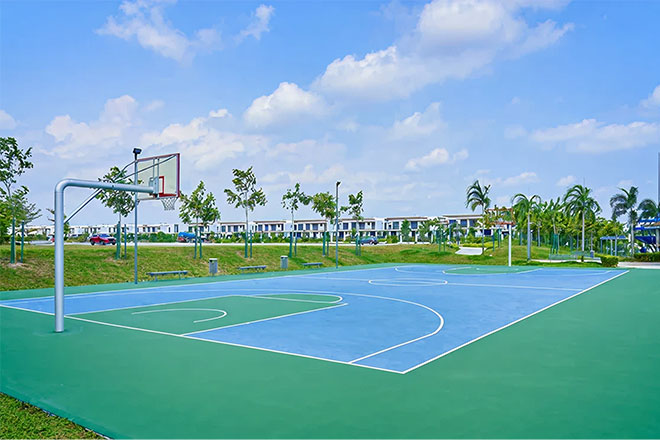
A worn basketball court rarely fails all at once. Subtle surface changes alter ball response, traction, and player comfort long before visible damage becomes severe. Understanding basketball court resurfacing cost helps property owners, schools, and facility managers plan upgrades with clarity instead of reacting to sudden failures. Surface age, base condition, and usage patterns all shape pricing, yet, cost alone never tells the full story.
Resurfacing decisions influence safety, play consistency, and long term maintenance cycles. Knowing how materials, preparation, and court type affect investment creates better outcomes and fewer surprises later.
What Drives Basketball Court Resurfacing Cost
Resurfacing cost reflects more than square footage. Outdoor courts face UV exposure, moisture, and temperature shifts. These elements gradually weaken coatings and open small cracks. Indoor courts, on the other hand, experience friction, repeated impact, and finish wear tied closely to the original basketball court construction and surface system.
Existing damage depth matters. Minor surface fatigue calls for a different approach than structural cracking or drainage failure rooted in base conditions. Accessibility also plays a role, since equipment staging and preparation time vary by site. Each factor shifts labor intensity, material selection, and overall pricing.
Outdoor Basketball Court Resurfacing Cost Ranges
Outdoor courts built on asphalt or concrete typically fall into predictable cost ranges when resurfaced at the right time. A standard outdoor half court often lands between $2000 and $5000, depending on repairs and coating quality.
Full outdoor courts usually range from four thousand to ten thousand dollars. Courts with widespread cracking, pooling water, or uneven slope trend higher due to added prep work. Timely resurfacing keeps pricing controlled and avoids full base replacement.
Indoor Basketball Court Resurfacing Cost Expectations
Indoor basketball court resurfacing follows a different cost pattern due to sanding, sealing, and finish application. Full hardwood courts in gyms or recreation centers often range from $10,000 to $25,000 or more.
Half courts cost less but still require skilled labor and specialized equipment. Finish type influences price, since higher performance coatings last longer and maintain traction consistency. Indoor projects often deliver longer service intervals, which balances higher upfront investment.
Surface Materials and Their Cost Impact
Material choice shapes both cost and playing experience. Asphalt resurfacing remains one of the most economical outdoor options, though it needs periodic recoating. Concrete surfaces cost slightly more upfront but hold shape longer under consistent use.
Acrylic coatings add color, texture, and weather resistance, forming the backbone of most outdoor resurfacing projects. Polymeric rubber systems sit at the premium end, offering enhanced cushioning and slip resistance.
Modular tile overlays change cost structure by reducing prep time while altering ball response and maintenance routines.
The Role of Court Size and Layout
Court dimensions directly affect resurfacing cost, yet layout details matter just as much. Regulation full courts require more line striping and surface coverage than practice or three on three layouts. Curved edges, integrated fencing, and multi-sport markings add labor time.
Residential driveways converted into half courts often cost less due to simplified geometry, while community parks trend higher because of public use standards and durability expectations.
Preparation Work That Shapes Pricing
Surface preparation quietly determines project success and cost. Pressure washing clears contaminants that interfere with bonding. Crack filling stabilizes weak points before coatings are applied. Low spots require leveling compounds to restore drainage flow.
Skipping preparation lowers upfront cost but shortens surface life. Proper prep aligns resurfacing with performance goals instead of cosmetic improvement alone.
Maintenance History and Long Term Value
Courts that follow consistent maintenance cycles resurface more efficiently. Regular cleaning, prompt crack repair, and timely recoating slow surface breakdown. Neglected courts demand heavier repair stages that raise basketball court resurfacing cost significantly.
Planning resurfacing intervals every four to five years outdoors, and longer indoors, protects prior investment and stabilizes future budgets.
Is DIY Resurfacing Worth the Savings?
DIY resurfacing kits reduce material expense but shift labor, preparation, and risk onto the owner. Small residential half courts sometimes suit this approach when surface damage remains minimal.
Larger courts, public spaces, and indoor hardwood surfaces demand professional execution. Mistakes during prep or coating application shorten surface life and raise future costs beyond initial savings.
Planning Basketball Court Resurfacing With Confidence
Accurate budgeting begins with realistic assessment. Court age, material type, and visible wear guide scope decisions. Comparing resurfacing options based on lifecycle value rather than short term cost leads to better results.
Well planned projects restore play quality, protect users, and align spending with long term facility goals instead of reactive repairs.
Start Your Basketball Court Resurfacing Project With Armor Courts
We approach basketball court resurfacing as a performance upgrade, not a cosmetic patch. Our team evaluates surface condition, usage demands, and budget goals before recommending a clear path forward.
With over fifteen years of combined experience, we complete resurfacing projects that balance durability, play quality, and long-term value while standing behind our work with meaningful guarantees.