
Armor Courts
Tennis Court Resurfacing | Athletic Court Construction | Court Contractors/Builders

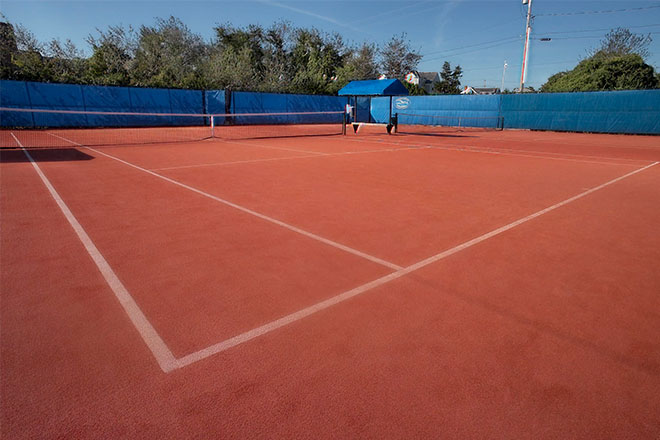
Clay courts invite a different kind of care, and you can feel it the moment play begins. Have you noticed how the surface responds to your movement or how the ball reacts after a long match? Clay tennis court maintenance centers on balance, timing, and consistency rather than quick fixes.
Moisture levels, surface movement, and daily use shape how the court behaves from one session to the next. Paying attention to these details helps you protect play quality, reduce safety concerns, and keep the surface performing the way players expect.
What Makes Clay Courts Unique From a Maintenance Perspective
Clay tennis court maintenance differs because the surface is designed to move, breathe, and respond to moisture during play. Unlike rigid courts, clay shifts under foot traffic, which affects traction, ball bounce, and surface texture over time. Fine particles bind together when moisture is balanced, creating stability that supports sliding and controlled stops.
Too little moisture leads to dust and loose footing, while excess water softens the surface and invites uneven areas. Temperature, sun exposure, and wind all influence how quickly conditions change. Regular care respects these variables rather than fighting them.
Understanding this behavior helps you make smarter decisions about daily habits, seasonal planning, and long-term surface health without overworking the court. That perspective encourages patience, observation, and timely adjustments based on conditions.
How Regular Use Impacts Clay Court Wear Over Time
Foot traffic tells a clear story on a clay court over weeks of play. Baselines absorb repeated stops and slides, while service boxes show scuffing from quick pivots and short sprints. These patterns slowly move material away from high-use zones, which changes firmness and ball response.
Shoes grind fine particles into some areas and pull them from others, creating subtle highs and lows. Doubles play spreads wear wider, while singles concentrates it along common paths. Rest periods allow moisture and brushing to restore balance, but constant play speeds breakdown. Recognizing how frequency and style of use affect the surface helps you plan care that matches real demand instead of guesswork.
Match schedules, player habits, and court access policies all shape wear patterns that maintenance planning should reflect accurately and consistently.
The Role of Moisture Control in Playability and Safety
Moisture sits at the center of how a clay court feels underfoot and how safely players move. A surface that holds the right amount of water stays compact, limits dust, and supports controlled sliding. Dry conditions loosen particles, which leads to inconsistent bounce and unstable footing.
Excess water softens the base and allows footprints and low spots to form during play. Weather shifts, sun exposure, and irrigation timing all affect moisture levels throughout the day. Observation matters more than habit, since conditions change quickly.
Adjusting watering to match temperature and use helps protect traction, ball response, and surface uniformity. Thoughtful moisture control reduces surface stress while supporting predictable play and lower injury risk for players during active recreational use periods.
Maintaining Court Lines and Surface Consistency
Visual alignment and footing both depend on how well lines and surrounding areas stay set. Lines can shift as players slide or as brushing pulls material away from edges, which creates raised lips or gaps. Those changes affect calls, bounce, and confidence during points.
Gentle hand brushing toward the lines returns loose material without burying them. Rolling after light watering firms the surface and locks edges in place. Attention to corners and intersections prevents uneven spots that catch shoes.
Consistent patterns matter, since brushing in random directions can move clay off the court or pile it unevenly. Surface consistency improves when care follows play rather than waiting for problems to show. Small corrections completed often protect appearance and keep movement predictable for players across varied skill levels and match settings.
Common Maintenance Mistakes That Shorten a Clay Court’s Lifespan
Problems often begin with habits that seem harmless at first glance. Overwatering softens the surface and invites footprints that harden into low spots after drying. Skipping brushing allows clay to migrate outward, which thins high play zones and exposes the base. Uneven brushing patterns can pull material toward one side and leave the court out of level. Ignoring loose or raised lines creates tripping risks and inaccurate calls.
Waiting too long to address small depressions allows them to grow with each match. DIY patch attempts using mismatched material often worsen texture differences. Treating clay like a hard court leads to rushed fixes that fight the surface instead of working with it. Awareness of these missteps helps you protect performance and avoid repairs that cost more over time, later on during ownership cycles, overall long term.
Planning Maintenance Across the Season, Not Just After Problems Appear
Seasonal shifts change how a clay court responds to use, weather, and care routines. Spring often brings moisture swings that call for closer observation and gradual adjustments. Summer heat speeds drying and increases traffic, which raises the need for regular brushing and measured watering.
Cooler months slow evaporation but can hide soft areas that form under steady play. Planning helps align maintenance with these cycles rather than reacting after issues appear. Scheduling inspections, material touch-ups, and deeper rolling at the right times protects surface balance. Coordinating care with usage calendars also reduces stress on high-play zones. A seasonal plan supports consistent conditions while controlling long-term upkeep costs for owners and managers.
A Smarter Approach to Long-Term Clay Court Care
Clay courts thrive when care matches how the surface lives and moves through the season. Consistent brushing, thoughtful moisture control, and timely corrections protect footing, ball response, and visual quality. Wear patterns tell you where attention belongs before damage spreads.
Planning across weeks and seasons reduces stress on the surface. A measured approach keeps play predictable while extending surface life. This mindset supports safer play and steadier performance for all users.
At Armor Courts, we help owners apply these principles through professional clay court maintenance, repairs, and resurfacing services. Our team manages moisture planning, line care, surface leveling, and seasonal programs based on real use patterns. Family ownership and years of experience guide every project. Warranties on workmanship and materials add confidence. Support also extends to multipurpose courts, tennis court resurfacing, and ongoing maintenance planning.
Contact us to request a quote or discuss a maintenance plan tailored to your court and schedule today confidently.