
Armor Courts
Tennis Court Resurfacing | Athletic Court Construction | Court Contractors/Builders

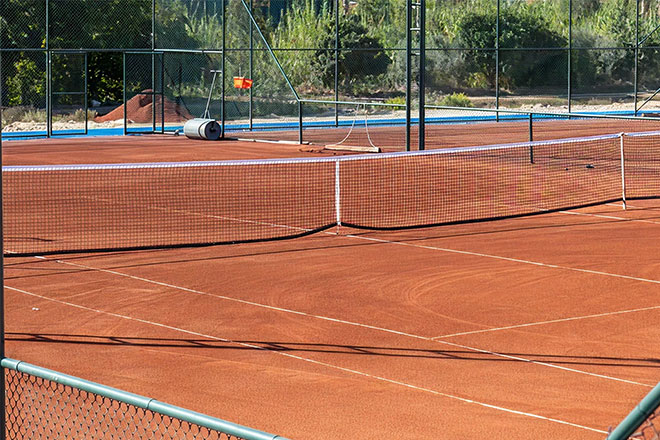
Planning surface work often brings questions about timing, play disruption, and long-term results. Wondering how long courts stay closed, what steps happen first, and how quality holds up over time is natural. Clay court resurfacing follows a defined path that balances playability, comfort, and appearance while respecting your schedule.
Knowing what happens at each stage helps you prepare, communicate with players, and avoid surprises. Clear expectations support better decisions before work begins and after the court reopens for confident play.
Initial Court Inspection and Evaluation
Professional resurfacing begins with a detailed inspection that looks at surface wear, base stability, moisture behavior, and daily usage patterns across the entire playing area. Attention goes to low areas, hard spots, cracks, and drainage paths that affect bounce, footing, and safety during play for competitive sessions and training.
Climate exposure, irrigation habits, and maintenance history also shape how the court responds to new material throughout the year locally. Measurements and visual checks guide decisions about clay depth, grading needs, and repair priorities before any material is moved. This evaluation sets a clear plan, so resurfacing work matches the court’s condition rather than assumptions, which protects performance and limits future issues over upcoming seasons of use.
Preparing the Court Surface
Preparation sets the tone for reliable results by stabilizing conditions before any fresh material reaches the court for rework. Crews clear loose debris, organic matter, and edging buildup so the surface responds evenly during scraping, grading, and rolling activities. Lines, net posts, and accessories are protected or removed to prevent damage and keep measurements accurate throughout surface preparation.
Technicians mark problem zones such as worn baselines, service boxes, and traffic paths that need added attention later. Moisture levels are adjusted through light watering so the clay responds predictably during leveling, reduces dust, and supports accurate shaping. This improves consistency and footing across the full playing area.
Removing Worn or Compacted Clay
Removing worn or compacted clay addresses layers that no longer support proper bounce or footing. Over time, repeated play and rolling press material too tightly, which limits moisture movement and creates hard areas. Technicians loosen the surface using controlled methods that break up dense clay without disturbing the base below. Damaged material is scraped away in measured amounts so the thickness stays consistent across the court. Attention stays focused on baselines and high traffic zones where wear appears first. Clearing compromised clay creates space for fresh material to bond evenly and respond correctly to rolling and watering once resurfacing continues during preparation stages that support long term surface stability for play.
Repairing Low Spots and Drainage Issues
Addressing low spots and drainage concerns protects play quality and surface life over time. Technicians identify depressions where water collects or the footing feels unstable, then rebuild those areas with controlled layering and careful shaping. A proper slope allows moisture to move across the court rather than settle in one place after rainfall or irrigation cycles.
Drainage paths are restored so water exits efficiently without washing away surface material or softening the base. Correcting these issues during resurfacing supports consistent bounce, safer movement, and faster return to play following weather changes throughout the season.
Applying Fresh Clay Material
Fresh clay application rebuilds the playing surface with material chosen for texture, color, and performance. New clay is spread in controlled layers so the thickness stays uniform across baselines, service boxes, and outer zones. Each layer receives light moisture, so particles bind without turning muddy or unstable. Technicians work methodically to maintain proper depth, which supports consistent bounce and reliable footing.
Attention remains on transitions near edges and lines where uneven buildup can affect play. This step restores the court’s responsive feel while setting the foundation for rolling and grading. Proper application allows the surface to settle evenly and respond well to grooming, watering, and regular play under varying weather conditions.
Rolling, Compaction, and Final Grading
Surface performance begins to take shape as the court is shaped, compacted, and refined for consistent play. Specialized rollers compress the clay evenly, which helps create firmness without producing hard or slippery areas underfoot. Moisture levels are monitored closely during this phase so the surface responds predictably to pressure and settles at the correct density.
Grading follows a precise pattern that maintains proper slope while smoothing transitions across baselines, service boxes, and outer zones. Final passes focus on uniform texture and balance, which directly influence ball response and player movement. Careful execution at this stage supports reliable footing, visual uniformity, and durability under regular use.
Line Installation and Surface Finishing
Final details bring the court to playable condition through accurate line placement and surface grooming. Lines are installed with care so measurements meet regulation standards and remain stable during play. Alignment affects calls, movement patterns, and overall confidence for players at every level.
Grooming follows installation to blend clay around edges and remove excess material from the surface. Brushing patterns restore texture while keeping depth consistent across the court. Visual checks confirm clean edges, smooth transitions, and proper color balance. This finishing stage ties together earlier work and prepares the surface for controlled curing and early use without disrupting balance or play quality overall today.
Curing Time and When Play Can Resume
Freshly resurfaced clay needs a short rest period before regular play returns. Moisture levels must stabilize so the surface firms evenly and resists shifting under foot traffic. Light rolling and brushing may occur during this phase to support balance and texture. Limited foot access is sometimes allowed, while competitive play waits until the surface responds consistently. Weather conditions influence timing, especially heat, humidity, and rainfall patterns.
Clear guidance helps players avoid early damage and preserves recent work. Once curing finishes, the court feels responsive, stable, and ready for normal schedules with proper daily care for safe recreational and competitive use.
Where Careful Craftsmanship Meets Reliable Play
Resurfacing a clay court follows a deliberate sequence that protects play quality, safety, and long-term value. Each phase builds on the last, from inspection and preparation through material placement, grading, and curing. Skipping steps or rushing timelines often leads to uneven bounce, soft areas, or drainage trouble later.
Understanding this process helps you plan closures, manage expectations, and protect your surface investment. Thoughtful resurfacing restores confidence underfoot and supports consistent play across seasons for players and facilities alike everywhere.
At Armor Courts, we handle every stage of clay court resurfacing with care, experience, and clear communication. Our team provides inspection, resurfacing, repairs, and ongoing maintenance for clay courts and other sport surfaces. We also support drainage corrections and surface upgrades that extend court life. Work is backed by clear workmanship standards and service guarantees.
Contact us today to discuss your clay court needs or request a quote and schedule professional resurfacing support with confidence.