
Armor Courts
Tennis Court Resurfacing | Sport Court Construction | Court Contractors/Builders

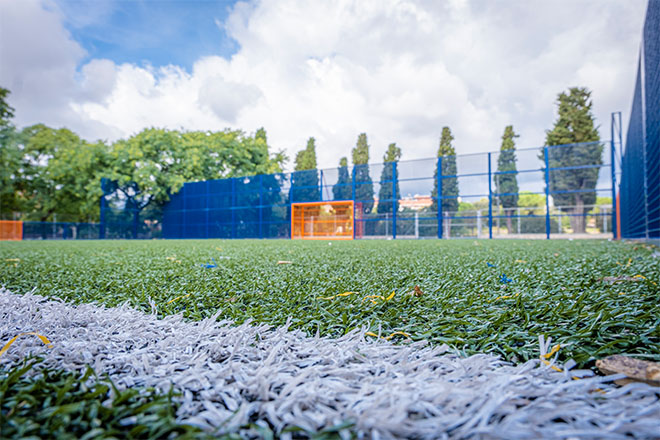
Artificial turf winter care plays an important role in protecting sports courts from cold temperatures, snow, and ice exposure. Winter conditions can change how turf fibers respond to pressure and moisture over time.
Learning proper maintenance habits helps preserve surface quality, appearance, and safety throughout colder months without causing unnecessary wear or performance issues.
Understanding Artificial Turf Winter Performance in Cold Temperatures
Artificial turf responds differently in colder temperatures compared to warmer seasons, yet modern materials remain durable and structurally stable. Fibers may feel firmer when temperatures drop, but they retain their shape and resilience when maintained correctly. This durability keeps sports courts usable during colder months without causing long-term damage or surface breakdown.
Cold weather does not permanently harm synthetic turf, although frozen moisture can temporarily affect flexibility and responsiveness. As temperatures rise, turf fibers gradually return to their natural softness and position. Routine inspections during artificial turf winter months help identify isolated areas affected by snow or freezing, so minor adjustments can restore consistent playing conditions.
Managing Snow Accumulation during Artificial Turf Winter Conditions
Snow accumulation on sports courts does not inherently damage synthetic turf, but careful handling protects the surface from avoidable strain. Light snowfall often melts naturally, allowing built-in drainage systems to function as designed beneath the turf. This process maintains court stability while limiting excessive moisture buildup in cold weather.
Removing heavy snow may be necessary for continued use, but gentle methods protect turf fibers and infill layers. Plastic shovels, soft brooms, or blowers work best when clearing surfaces without scraping or digging into the material. Careful snow removal also protects surrounding areas, including surfaces used for basketball court maintenance and other athletic applications.
Protecting Artificial Turf Winter Surfaces from Ice Formation
Ice formation creates temporary firmness that influences traction and comfort during activity. Synthetic turf tolerates freezing temperatures, yet activity on frozen surfaces can compress fibers unnecessarily. Letting ice melt naturally minimizes strain and protects surface performance characteristics.
If ice must be addressed quickly, turf-safe de-icing products are the safest option. Harsh salts and sharp tools can damage backing materials and shorten surface lifespan. Selecting appropriate de-icing solutions preserves turf integrity and restores normal playability once temperatures stabilize during artificial turf winter conditions.
Maintaining Drainage Efficiency during Artificial Turf Winter Weather
Artificial turf systems include drainage layers designed to handle rain, melting snow, and winter moisture effectively. Proper drainage prevents water accumulation that could freeze and affect playing conditions temporarily. Inspecting drainage areas helps identify blockages early, so moisture can move freely through the system beneath the turf surface.
Leaves, debris, and dirt may collect during winter storms and slow water movement across the surface. Removing debris allows moisture to pass through efficiently, reducing the risk of ice patches or standing water. Maintaining drainage performance helps preserve surface stability and lets courts recover faster after snow or ice melts.
Preventing Fiber Compression from Artificial Turf Winter Use
Artificial turf fibers can compress temporarily when exposed to heavy snow, foot traffic, or equipment during winter. This compression does not cause permanent damage, but routine care helps restore fiber positioning more quickly. Brushing the turf periodically helps lift fibers and maintain a consistent playing surface throughout the colder season.
Limiting heavy equipment use during freezing conditions reduces unnecessary stress on turf backing and infill layers. Frozen ground conditions make surfaces more rigid, which will increase the potential for fiber compression under excessive weight.
Careful usage patterns help maintain surface quality and extend the lifespan of sports courts during winter months.
Reducing Debris and Organic Buildup during Artificial Turf Winter Care
Organic debris such as leaves and branches often accumulates on sports courts during winter storms. Removing debris prevents moisture retention that could contribute to ice formation or surface inconsistencies. Clean turf surfaces allow drainage systems to function properly and help maintain uniform playing conditions during colder weather.
Debris removal also prevents mold growth and protects the visual appearance of sports courts year-round. Simple cleaning practices help maintain fiber integrity and prevent long-term buildup that affects performance. Regular attention to surface cleanliness keeps artificial turf winter maintenance simple and effective without requiring extensive effort or equipment.
Preserving Court Safety and Performance in Artificial Turf Winter Months
Monitoring firmness, traction, and overall turf condition remains important throughout winter. Cold temperatures influence how athletes interact with the surface, which makes awareness of playing conditions essential. Proactive maintenance preserves predictable ball response and reliable footing during colder periods.
Restoring fiber alignment after snow or freezing events maintains consistent performance across the court. Gentle brushing and debris removal contribute to uniform playing characteristics. Careful attention safeguards both the surface and the athletes who depend on it.
Supporting Long-Term Surface Durability through Artificial Turf Winter Care
Consistent artificial turf winter care protects sports courts from avoidable wear and maintains their professional appearance. Seasonal maintenance practices help preserve structural integrity and reduce the need for extensive repairs later. Long-term durability depends on routine care that protects turf fibers, backing, and drainage components from unnecessary stress.
Family-owned professionals with years of experience understand how winter conditions affect sports surfaces differently. Proper maintenance techniques help extend surface lifespan while maintaining reliable performance. Attention to seasonal care helps sports courts remain ready for use while protecting the investment made in high-quality turf installations.
Keep Your Artificial Turf Ready for Every Season
Artificial turf winter care helps preserve sports court performance, safety, and appearance throughout colder months. Proper maintenance practices protect turf fibers, drainage systems, and overall surface integrity, allowing courts to recover quickly once warmer temperatures return. Consistent attention keeps sports courts reliable and visually appealing for long-term athletic use and enjoyment.
Routine seasonal inspections, gentle cleaning, and timely snow management reduce preventable wear while helping the surface maintain consistent traction, ball response, and structural stability year after year.
Protect Your Sports Court with Expert Care
Armor Courts specializes in building and resurfacing sports courts designed to perform in every season, including winter conditions. Contact us to protect your artificial turf and keep your court performing at its best year-round.