
Armor Courts
Tennis Court Resurfacing | Athletic Court Construction | Court Contractors/Builders

A Closer Look At Soccer Turf Installation
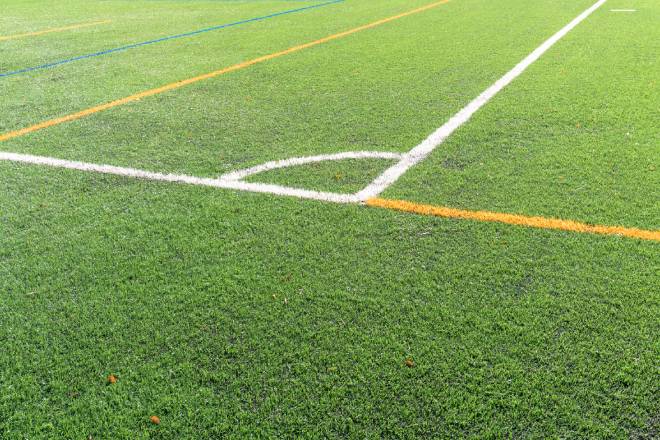
Soccer fields see constant action. Players run fast, change direction, slide, and rely on a surface that supports performance. That is why many facility owners study options like soccer turf installation as the sport grows across schools, parks, and private clubs. A well-built turf field handles long seasons, frequent practice sessions, and heavy foot traffic. It also creates a level space that stays consistent through daily use. When we look at the process behind a modern field, it becomes clear that the installation steps shape long-term quality for any soccer turf field.
Artificial turf replaced natural grass in many facilities because its durability fits long practice hours. Natural grass needs constant care. Heavy rain slows games. Mud affects play. With turf, schedules move forward. The surface stays steady. That consistency supports coaches and players who want predictable performance. Still, turf fields do not appear instantly. The groundwork matters. Each stage connects to the next, from the first site visit to the final brushing of the fibers.
The phrase soccer turf grass describes more than green synthetic fibers. It refers to a system built from several layers. Each layer affects ball movement, shock absorption, drainage, and long-term field health. When we look closer, we see that the work below the surface sets the foundation for the entire field. That is why every successful project starts with planning. The site must be studied with care. Soil conditions, drainage behavior, and the local environment guide the entire design.
Studying the Site Before Construction Begins
The planning stage drives the success of the installation. Before we place any base materials or turf rolls, we study how water moves through the area. Water can damage a field if it stays under the surface. Slow drainage leads to soft spots, instability, and long-term wear. A good field must move water away and keep the layers dry. That means we spend time observing the slope, soil type, and existing structures around the planned field.
Once the site evaluation ends, we decide where adjustments are needed. Some areas may need grading to shape the correct slope. Other spaces may need excavation to remove soil that holds too much water. The goal stays simple. The foundation must stay consistent. A soccer field performs well when each section supports the players evenly. That even support comes from the preparation done long before the turf arrives.
Building a Stable Foundation
The base layer forms the backbone of the entire field. After excavation, the sub-base material goes down. It often includes stone, compacted carefully to create a stable platform. A field with a weak base will face problems fast. Dips appear. Water collects. Play becomes uneven. A strong foundation keeps the field stable throughout many seasons.
This phase takes time because we build each layer with attention to detail. The compaction must stay firm from edge to edge. Spaces that feel soft today may turn into larger issues later after heavy use. When players run, cut, or slide, the pressure moves across the entire field. A solid base handles that force in a steady way.
Once the stone base sits in place, we check the grade and surface shape. Even minor adjustments matter. A soccer field covers a large space. Small flaws grow across long distances. When the field drains well and stays even, players feel the difference during games and training.
Creating a Dependable Drainage System
Drainage matters for every sport surface, but a turf field depends on it even more. Synthetic fibers may resist wear, but water that stays under the turf weakens the base. Standing water can shorten the lifespan of the field. During installation, we design a drainage system that works with the natural slope of the site. We place drains where water naturally moves.
The base materials also help water pass through. Each layer works together to direct moisture away. When rain falls, the water moves through the turf, through the infill, into the stone base, and then out through the drainage system. A well-built system keeps the playing surface usable soon after storms. That reliability plays a major role for teams that train daily.
Laying Out the Turf and Securing Seams
Once the foundation and drainage work meet the right standards, the turf rolls arrive. Each roll must line up with precision. The direction of the fibers affects the overall appearance. When we lay the rolls side by side, the seams must fit tightly. Poor seams create gaps that catch cleats. They also affect ball roll, which disrupts gameplay.
We secure the edges along the perimeter in a way that holds the turf steady during every movement on the field. High-traffic zones receive extra attention. Corners, goal boxes, and midfield areas often see the most wear. That means we reinforce those areas during installation so the field holds up during intense play.
Once the turf sits in place, we add infill. Infill keeps the fibers upright. It also adds weight to the turf so the rolls do not shift. The amount and type of infill influence the feel of the field. Too much infill makes the surface firm. Too little causes the fibers to lay flat. Balance guides the process. After spreading the infill, we brush the surface so the fibers stand naturally and the field gains its finished look.
Protecting Player Experience and Safety
Player experience shapes the long-term value of a turf field. Athletes want a surface that feels consistent. A strong foundation, a dependable drainage system, and correct turf placement all support that experience. Turf fields also use shock-absorbing layers in some cases. These layers soften impact and help lower the stress on joints.
A consistent field helps players avoid injuries caused by uneven ground. The ball rolls the way it should. Footing stays predictable. The surface keeps its shape for long periods, even with daily use by large groups.
Maintaining a Turf Field After Installation
Many people believe turf fields require no facility maintenance. That idea can mislead field owners. Turf needs care to stay in top form. The fibers collect dust, debris, and rubber displacement after many training sessions. Regular brushing keeps the surface even. Removing debris keeps the fibers healthy. Spot repairs help stop small issues from growing into larger problems.
Field owners also monitor high-traffic zones. Areas near goals often show signs of wear before other sections. Quick attention during the season helps the turf last longer. With the right maintenance plan, a field stays game-ready for years, even with heavy use.
Why Installation Quality Shapes Field Lifespan
A turf field’s lifespan connects directly to the quality of the installation work. When each step is completed with care, the field performs at a high level for a long time. A well-constructed foundation prevents dips. A strong drainage plan stops water damage. Correct turf placement keeps seams tight. Maintenance keeps the surface fresh.
Every layer matters. That is why field owners often prefer working with teams that understand the full process from start to finish. When a project focuses on long-term results, players notice the difference each time they step on the field.
At Armor Courts, we work with a goal that stays simple. We build surfaces that stay strong through long seasons. We bring over fifteen years of experience to every project, and we approach each installation with care from the first site visit to the final brush of the turf. Our family-owned background shapes the way we work, and our clients rely on us for court construction, resurfacing, and ongoing maintenance.
If you want a field that supports athletes with consistency, reach out to our team. We can walk you through every step of the process and help you create a surface that fits long seasons and active communities.
- Categories: Blog, Turf Installation
- Tags: pickleball court, sporting court construction, tennis court construction, tennis court repair
Hard Court Guide Download
Download a free copy of our Hard Court Maintenance & Repair guide
Free