
May 24, 2026
Turf Sports Field Safety Standards To Consider
Quick Summary
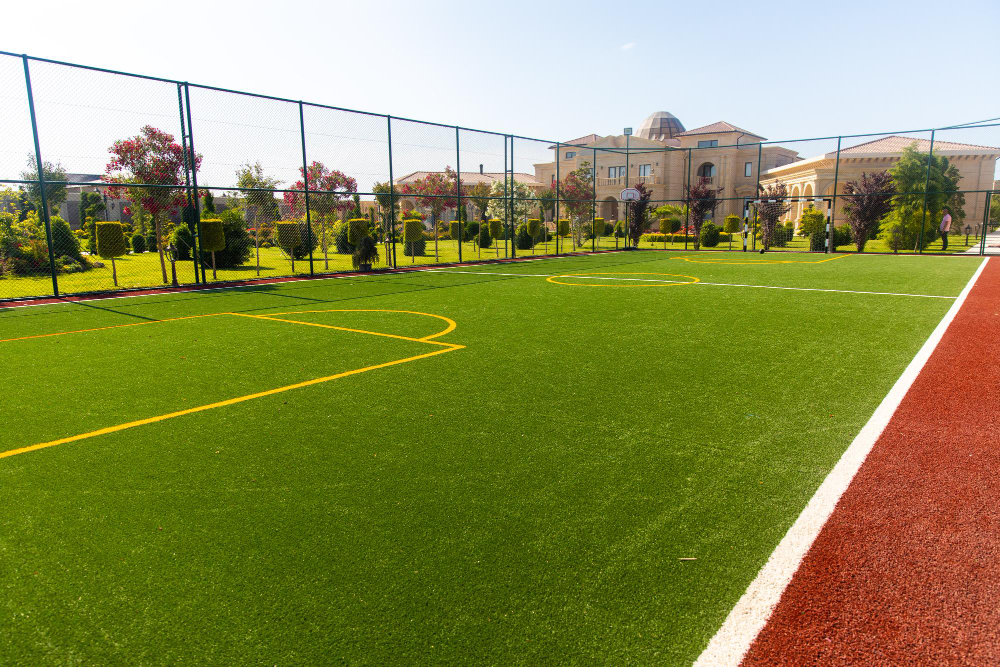
Turf sports field safety depends on smart design, proper drainage, impact protection, reliable footing, and consistent maintenance. Regular inspections help spot uneven areas, worn spots, pooling water, and surface changes before they affect play. Working with an experienced sports surface contractor can also help facility owners plan safer, longer-lasting courts and multi-sport spaces.
Safe play starts with a surface that matches the athletes, the sport, and the level of use. For schools, parks, training centers, and private facilities, turf field safety should be part of every planning and maintenance decision. A field may look clean and ready from a distance, but small surface issues can still affect footing, impact, ball movement, and player confidence. That is why safety standards should guide more than the first installation. They should shape how the field is built, checked, repaired, and cared for over time.
Start With the Right Field Design
A safe turf field begins before the surface is installed. Field layout, base construction, slope, drainage, and sport-specific markings all affect how the space performs during daily use. A soccer field, football field, lacrosse field, and multi-sport field may share similar materials, but each one creates different movement patterns and impact points.
Good planning also helps reduce uneven wear. High-traffic areas, such as goal mouths, sidelines, center field zones, and team entry points, often break down faster than other parts of the surface. These spots need extra attention during design because they may collect more stress from running, stopping, turning, and repeated drills.
Drainage should also be part of the early conversation. Standing water can make turf feel unstable, increase slipping risks, and shorten the life of the surface system. A properly prepared base helps water move away from the field, which keeps the playing area more consistent after rain.
Review Surface Hardness and Impact Protection
Impact protection is one of the most important safety factors for any turf sports field. Players fall, dive, slide, and make sudden contact with the ground during games and practices. Because of that, the surface should help absorb impact without feeling too soft or unstable underfoot.
Testing field hardness can help facility owners understand how the turf is performing. A surface that becomes too hard may raise injury concerns, especially in contact sports. On the other hand, a surface that feels loose or uneven can affect balance, speed, and traction.
Infill depth, turf fiber condition, base stability, and maintenance habits can all change how the field feels over time. Regular checks help spot changes before they become bigger safety problems. This is especially helpful for busy fields that host school practices, tournaments, camps, and community events.
Pay Attention to Traction and Footing
Reliable footing helps athletes move with more control. Players need to accelerate, cut, stop, and turn without guessing how the surface will respond. Poor traction can lead to slips, while too much grip can place extra stress on knees, ankles, and hips.
Footwear also plays a role in field safety. Cleats should match the turf system and sport requirements. Facility managers can support safer play by sharing surface guidelines with coaches, teams, and visitors before heavy use begins.
Keep Drainage and Surface Levelness in Check
Water control plays a major role in safe field use. Even a well-built turf surface can develop low spots, uneven areas, or drainage concerns after heavy traffic and repeated weather exposure. Small dips may seem minor at first, but they can affect footing, ball response, and player movement during fast play.
Routine inspections can help spot early signs of trouble. Facility managers should look for pooling water, raised seams, loose edges, worn fibers, compacted areas, and spots where the surface feels different underfoot. These checks are especially helpful after storms, tournaments, and long practice schedules.
Build a Maintenance Plan Around Real Use
A field used a few times a week will not need the same care as one used every day. Safety standards should match the field’s actual schedule, not just its original installation plan. Heavy-use fields may need more frequent brushing, infill checks, seam inspections, and surface repairs.
Clear maintenance records also make future decisions easier. They help owners track recurring issues, plan repairs, and decide when resurfacing or upgrades may be needed. This approach keeps the field safer while protecting the investment behind it.
Work With a Contractor That Understands Sports Surfaces
Professional support can make a major difference when safety, durability, and long-term performance matter. At Armor Courts, we help property owners, schools, municipalities, HOAs, and recreational facilities plan, build, resurface, repair, and maintain athletic courts with attention to surface quality and daily use.
Our family-owned team brings more than 15 years of combined experience to sport surface projects. We work on tennis, basketball, pickleball, shuffleboard, modular sports flooring, and multipurpose court construction. We also back our work with a three-year guarantee on paint and a one-year guarantee on workmanship.
Plan a Safer Playing Surface With Armor Courts
A safer sports surface starts with smart planning, proper installation, and steady maintenance. At Armor Courts, we can help you review your current surface, discuss repair or resurfacing needs, and plan a court or multi-sport space built for reliable play. Request a quote from us today.
FAQ
Why does turf field safety matter?
It helps reduce surface-related risks by supporting better footing, drainage, impact control, and field consistency.
How often should a turf sports field be checked?
Busy fields should be checked regularly, especially after storms, tournaments, and heavy practice schedules.
Can Armor Courts help with sports surface repairs?
Yes, Armor Courts handles court repairs, resurfacing, maintenance, and multipurpose court construction for different property types.