
When Is The Best Time To Resurface A Pickleball Court?
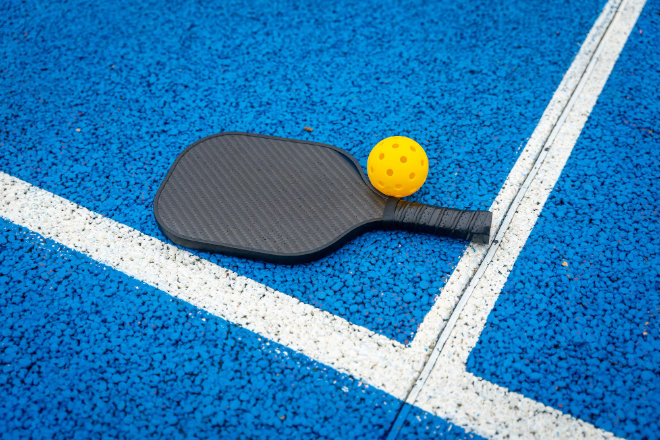
A pickleball court is built to handle consistent play, but no surface lasts forever. Over time, exposure to weather, foot traffic, and regular use begins to affect how the court looks and performs. Many property owners start to ask when to resurface pickleball court surfaces to maintain safe, enjoyable play conditions.
The answer is not tied to a single factor. It depends on visible wear, performance changes, environmental impact, and long-term planning. Acting at the right moment helps extend the life of the court and reduces the chance of more expensive repairs later.
Understanding the signs and timing of resurfacing helps you stay ahead of damage rather than reacting after problems become more severe. Pickleball court resurfacing restores playability, improves safety, and extends the life of your court.
Surface Fading and Loss of Texture
One of the earliest indicators that resurfacing may be needed is a visible change in appearance. Over time, constant sunlight exposure causes surface colors to fade. While this may look cosmetic at first, it often signals that the top protective layer is breaking down.
As the coating weakens, the textured finish that supports proper traction also begins to diminish. This affects how players move and how the ball reacts during play. A smoother surface can feel faster, but it often reduces control and increases slip risk.
Early Cracks and Minor Surface Damage
Cracking is one of the clearest warning signs that a court is starting to decline. Small cracks may seem minor at first, but they tend to expand if left untreated.
Moisture can enter through these openings and weaken the layers beneath the surface. With repeated temperature changes, especially heat and humidity cycles, the damage spreads and becomes more difficult to correct. Chips and flaking also contribute to uneven play and reduced surface reliability.
Understanding when to resurface pickleball court areas becomes important once these early signs appear.
Changes in Ball Bounce and Playability
A properly maintained pickleball court delivers a consistent ball response. When wear begins to develop, players often notice irregular bounce patterns or shifts in game speed.
These changes rarely happen all at once. They develop gradually, which makes them easy to overlook. Regular players may adjust without realizing the surface has already changed in performance quality.
Age of the Court Surface
Even if a court still looks acceptable, age plays a major role in determining condition. Surface systems are designed for a limited lifespan, and natural wear occurs even with proper care.
Most courts benefit from resurfacing every few years, depending on usage levels and environmental exposure. Delaying too long increases the chance of damage moving beyond the surface layer, which leads to more complex repairs.
When evaluating when to resurface pickleball court surfaces, reviewing the last resurfacing date is essential. A consistent maintenance cycle helps preserve both appearance and play quality without allowing issues to accumulate.
Environmental Stress and Weather Exposure
Outdoor courts are constantly exposed to environmental stress that builds up over time. Sunlight, rain, wind, and shifting temperatures all contribute to gradual surface breakdown that is not always immediately visible.
In hotter climates, strong UV exposure speeds up fading and weakens surface materials, which reduces overall protection. In wetter regions, moisture can slowly work its way into small imperfections, softening the layers underneath and expanding existing wear.
Temperature fluctuations add another layer of strain. Repeated cycles of heat and cooling cause the surface to expand and contract, which places ongoing stress on the structure.
Over time, this movement can lead to cracking, surface fatigue, and reduced stability across the playing area. When these environmental factors combine, they gradually break down durability and shorten the overall lifespan of the court if not addressed early.
Planning Ahead for Future Use
Resurfacing is not only a corrective step but also a planning decision. Anticipating increased court usage makes timing even more important.
Addressing the surface before peak demand helps maintain consistent play conditions and reduces the chance of unexpected downtime. It also opens the opportunity for upgrades such as improved coatings or refreshed layouts.
At Armor Courts, we often work with clients who want to plan ahead rather than wait for visible damage. This approach keeps the court ready for regular use and helps avoid unexpected downtime.
We take a practical, hands-on approach to every resurfacing project, with a focus on timing, performance, and long-term value. Our team looks at how your court is used, how it has aged, and what it needs next so you can move forward with clarity.
Noticing a drop in play quality or thinking ahead about upkeep? Connect with Armor Courts today and get your free, no-obligation estimate on the schedule!