
Slippery Basketball Court: 4 Main Causes And How To Fix It
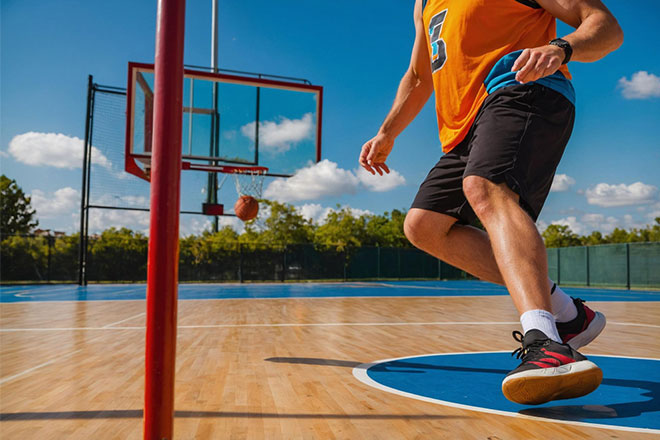
A slippery basketball court can make playing dangerous and challenging. From amateur games to professional matches, slippery courts cause players to lose traction, increasing the risk of injury. Understanding why the court becomes slippery is needed for maintaining a safe and functional playing surface.
Worn-Out Court Finish
As basketball courts endure repeated use, the finish on the surface starts to wear away. This finish is designed to create traction and prevent slippage, but over time, it loses its effectiveness. As the finish erodes, the court becomes more vulnerable to moisture and dirt, which further contributes to slipperiness.
A worn finish can make the surface more porous, allowing dirt and moisture to seep into the wood, which increases slipperiness. If the finish has worn down significantly, it is time to consider basketball court resurfacing to restore grip and performance. By reapplying a fresh coat of finish, you create a safer and more functional surface for players.
Dirt and Dust Accumulation
Over time, dust, dirt, and debris naturally accumulate on the basketball court surface. These particles create a thin layer that reduces the friction necessary for safe movement. If not regularly cleaned, this build-up becomes sticky and can make the court even more hazardous.
When dirt and dust mix with sweat or moisture, it can lead to a slick coating that severely affects grip. This makes it difficult for players to pivot or stop quickly, increasing the risk of slipping. Regular cleaning using microfiber mops and automatic scrubbers is important to remove dirt and debris that can create a slippery surface.
Moisture and Humidity Issues
Moisture is a major cause of slipperiness on basketball courts, particularly in indoor settings. Sweat from players, spills, or humidity from the environment all contribute to excess moisture on the court. Even slight dampness on the floor can make it challenging to maintain grip, leading to a dangerous playing environment.
Controlling moisture is key to preventing slipperiness, which can often be caused by inadequate ventilation. Humidity levels, if not monitored, can make moisture buildup a constant problem. Installing dehumidifiers and checking for proper ventilation can help reduce the risk of a slippery court caused by excess moisture in the air.
Improper Footwear
Improper footwear is another cause of slippery basketball courts that is often overlooked. Players who wear shoes with inadequate tread or worn soles are more likely to slip, even on a properly maintained court. This is especially true for players wearing non-basketball-specific shoes, which lack the necessary traction for quick movements.
Even if the court is well-maintained, improper footwear will reduce the player’s ability to grip the surface. This can lead to slips, falls, and potential injuries. Making sure players wear the correct basketball shoes with proper tread will improve their traction, reducing the risk of slipping and enhancing overall performance.
Preventing and Fixing a Slippery Basketball Court
A slippery basketball court not only makes the game harder to play; it also increases the risk of injury. Regular maintenance, such as cleaning, moisture control, and resurfacing, can restore your court’s traction. Additionally, using proper footwear helps players maintain the necessary grip during the game.
If your basketball court has become slippery, it is time to address the issue before it leads to further damage or injury. Armor Courts specializes in basketball court construction and resurfacing and can help restore your court to its optimal condition. Contact us to learn more about our services and schedule a consultation.