
Armor Courts
Tennis Court Resurfacing | Athletic Court Construction | Court Contractors/Builders

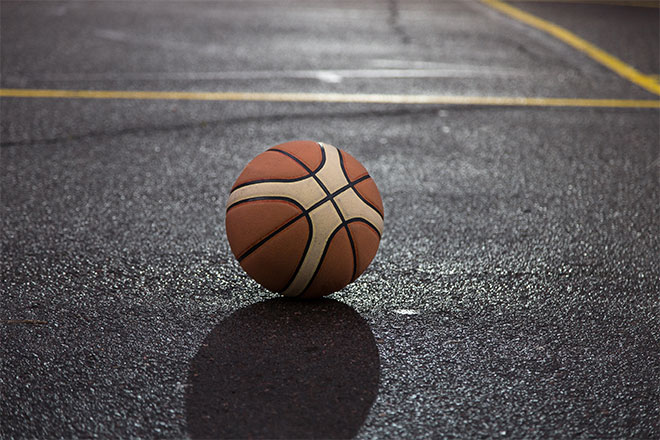
Choosing between an asphalt vs. concrete basketball court influences performance, comfort, and long-term value. Each material delivers distinct advantages, and both respond differently to outdoor exposure and consistent play.
Surface Composition Differences between Asphalt and Concrete Courts
Asphalt contains aggregates bonded with petroleum-based binders, forming a slightly flexible surface that reacts to temperature shifts. This flexibility helps absorb minor ground movement and can reduce visible cracking over time. The textured finish creates natural traction, giving players a stable footing during quick cuts and directional changes outdoors.
Concrete forms through a mixture of cement, water, sand, and stone that hardens into a rigid and durable slab. This firmness creates a stable foundation, which makes concrete popular in basketball court construction where long-term structural reliability remains a priority.
The dense composition produces consistent ball bounce and resists deformation, even after years of regular outdoor use.
Performance and Ball Response on Asphalt Vs. Concrete Basketball Court
Ball response significantly shapes how athletes experience an asphalt vs. concrete basketball court during games and training sessions. Concrete produces a highly predictable bounce because of its firm structure. Basketballs rebound evenly across the surface, helping players refine timing, ball control, and shooting accuracy during repeated practice.
Asphalt also delivers dependable bounce, though its slight flexibility creates subtle performance differences compared to concrete. Many recreational players appreciate the added comfort underfoot. The surface absorbs a portion of impact during movement, which contributes to a more forgiving feel while maintaining steady performance for casual games and community play.
Durability and Lifespan Considerations for Outdoor Courts
Concrete courts generally outlast asphalt when installed correctly and maintained over time. The hardened slab withstands erosion, shifting, and prolonged weather exposure. Property owners often select concrete when long-term structural stability remains a top priority.
Asphalt courts have a shorter overall lifespan, yet they perform reliably with routine maintenance. Temperature swings can cause expansion and contraction, which may lead to cracking. Scheduled sealing and resurfacing extend usability and maintain appearance for many years of outdoor recreation.
Comfort and Player Impact Differences between Court Materials
Player comfort remains an important factor when comparing asphalt and concrete basketball court surfaces. Asphalt offers slightly more shock absorption because of its flexible structure, which helps reduce impact on joints during running and jumping. This added cushioning makes asphalt appealing for recreational courts, community parks, and residential installations where comfort enhances the playing experience.
Concrete courts feel harder underfoot due to their rigid composition, which transfers more impact back to players during movement. While this firmness benefits ball response, it may increase physical strain during extended play sessions. Many outdoor concrete courts use acrylic coatings to add traction and improve comfort without sacrificing structural strength or long-term durability outdoors.
Installation Process and Timeline Differences between Surfaces
Asphalt installations typically move faster than concrete projects in outdoor conditions. The material cures relatively quickly, which shortens the waiting period before the court becomes playable. In many cases, asphalt can be laid, compacted, and ready for surface coatings within a few days, depending on weather and site preparation. This shorter turnaround benefits property owners seeking quicker project completion and minimal disruption to their property or schedule.
Concrete construction involves more preparation and a longer curing period. Forms must be carefully set, reinforcement may be installed, and the concrete must be poured and leveled with precision. After placement, the slab requires adequate curing time to reach full strength before coatings or striping can be applied. This curing phase is critical because it strengthens the slab and contributes to long-term durability.
Although the timeline extends further, many property owners accept the wait because concrete delivers extended performance with fewer structural concerns and greater stability over decades of use.
Maintenance Requirements for Asphalt Vs. Concrete Basketball Court
Asphalt courts require periodic maintenance to preserve surface quality, performance, and visual appearance over time. Sealcoating protects asphalt from moisture penetration, sun exposure, and surface wear caused by regular basketball activity. Routine resurfacing helps restore traction, maintain smoothness, and extend the functional lifespan of asphalt courts used in outdoor environments regularly.
Concrete courts require less frequent maintenance because of their dense and durable composition outdoors. Minor cracks may appear over time, but these issues often develop slowly compared to asphalt surfaces. Applying acrylic coatings helps maintain traction, improve visual appeal, and protect concrete courts from surface wear caused by regular basketball activity and weather exposure.
Cost Differences and Long-Term Value Considerations
Asphalt courts typically cost less to install than concrete courts, making them attractive for budget-conscious projects. Lower material costs and faster installation contribute to reduced upfront expenses for outdoor basketball court surfaces. Many residential property owners choose asphalt courts because they balance affordability with dependable performance for recreational basketball use over many years outdoors.
Concrete courts cost more initially, but their extended lifespan can offset higher installation expenses over time. Reduced maintenance frequency and longer structural durability contribute to lower long-term ownership costs. Property owners focused on long-term value often prefer concrete courts because they remain functional and structurally stable for decades with minimal resurfacing or repairs outdoors.
Weather Resistance and Climate Performance Differences
Outdoor weather affects asphalt and concrete differently. Asphalt can soften in extreme heat, increasing vulnerability to surface wear. Cold conditions may lead to contraction and cracking, which requires maintenance to maintain safe play conditions.
Concrete resists softening in high temperatures due to its rigid composition. Freeze-thaw cycles, however, can cause cracking if moisture enters and expands during freezing. Proper installation and protective coatings help preserve structural integrity and consistent performance in varying climates.
Choosing the Right Surface Based on Performance and Goals
Selecting between asphalt and concrete depends on budget, desired performance, and maintenance preferences. Asphalt delivers comfort, affordability, and steady play for residential and recreational courts. Concrete delivers durability, consistent bounce, and extended lifespan suited for competitive environments and long-term outdoor use.
Build a Court Designed for Long-Term Performance
At Armor Courts, we specialize in professional basketball court construction and resurfacing tailored to your property and performance goals. Contact us today to request a quote and create a high-quality basketball court surface built to last.