
Armor Courts
Tennis Court Resurfacing | Athletic Court Construction | Court Contractors/Builders

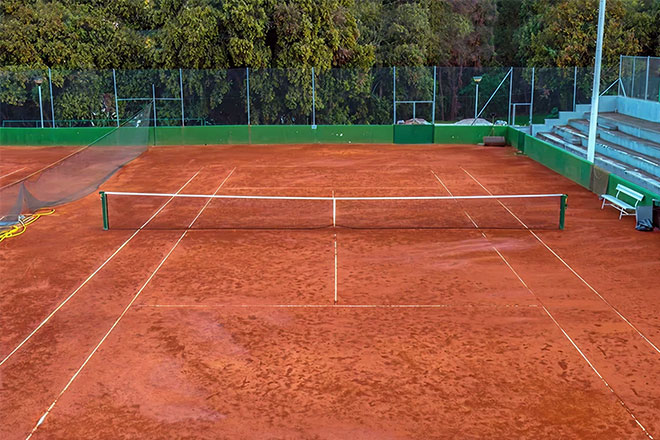
Clay courts have a way of changing how tennis feels the moment you step onto the surface. Have you ever noticed the slower pace, higher bounce, and longer rallies that invite strategy over power? That experience comes from careful planning beneath your feet, not chance. Understanding clay tennis court construction gives you clarity before committing to a project or renovation. Questions about soil, drainage, layers, and upkeep often come first, and clear answers build confidence. This guide walks through the process, so decisions feel informed and realistic from start onward.
Understanding What Makes Clay Tennis Court Construction Unique
Clay courts stand apart because their surface is built from finely crushed materials that shape how the game is played. The slower ball speed and higher bounce invite longer rallies and more thoughtful shot placement. Unlike hard courts, the loose top layer allows controlled sliding, which supports balance and reduces strain on joints during movement.
That feel comes from a surface designed to respond to moisture, foot traffic, and regular play. Each layer beneath the clay works together to support stability while allowing the surface to breathe. Understanding these differences helps you see why clay courts require a distinct construction approach that influences playability, upkeep, and long-term performance.
Site Evaluation and Ground Preparation
Every successful court begins long before materials arrive, with careful evaluation of the land, soil behavior, slope, and surrounding conditions that influence stability and drainage.During this phase, professionals review existing grades, test soil composition, and identify areas where moisture may collect after rain or irrigation cycles.
Excavation follows planning, allowing the surface area to be shaped so water moves away from the court rather than settling beneath the playing zone. Compaction of the subgrade creates a firm platform that supports the layers above and limits shifting that could affect levelness over time during seasonal changes and frequent use across varying climate conditions. Thoughtful preparation at this stage sets expectations for performance, maintenance, and surface consistency once construction moves forward.
Building the Foundation and Drainage System
Lasting performance depends on what sits beneath the surface, where structural layers guide strength and water movement together. A compacted stone base supports weight while staying porous enough to move moisture away from play areas.
Drain lines and slopes work with gravity to carry water toward collection points, which protects the court after rain and daily watering. Each layer is installed in measured lifts, rolled flat, and checked for level so settling stays predictable over time.
Depth and stone size are selected to match local soil behavior and climate patterns. This system keeps the clay layer stable while allowing controlled moisture retention at the top. Reliable drainage reduces downtime, preserves surface texture, and supports consistent bounce across the full court during regular play seasons annually.
Layering and Compaction of Clay Materials
Progress takes shape once the base is ready, as successive material layers are placed with precision and patience. Coarser aggregate is spread first, then compacted to create a smooth transition between the foundation and the playing surface. Finer crushed brick or clay follows in thin applications, with each pass rolled and leveled to maintain uniform thickness across the court. Moisture is introduced gradually to help particles bind while still allowing the surface to breathe during play. Consistent compaction prevents soft spots, ridges, and uneven bounce from developing over time. Attention to thickness and texture at this stage influences how the court responds to footwork, sliding, and ball impact. This methodical approach produces a surface that feels firm underfoot yet responsive, supporting both play quality consistently.
Final Surfacing, Line Installation, and Playability
Attention then shifts to the finishing stage, where the court begins to feel ready for play through careful surface refinement. The top clay layer is spread evenly, watered lightly, rolled multiple times, and brushed to create a smooth and stable playing area. Line placement follows precise measurements, with tape or embedded lines installed so boundaries remain clear without affecting ball bounce or foot movement.
Playability is reviewed through movement, ball response, firmness, and drainage behavior after watering, with small corrections made to low or soft areas. This final phase shapes how the court performs during rallies, slides, and daily use while supporting predictable conditions and clearer maintenance expectations over time.
Ongoing Maintenance Expectations for Clay Courts
Life after construction introduces a different responsibility, since surface quality depends on consistent care rather than occasional attention over time. Daily brushing helps keep the court level, redistributes loose material, and limits grooves that form in high-traffic areas during active play periods.
Watering supports firmness and dust control, though the amount changes with weather patterns, shade coverage, and frequency of use throughout each week. Rolling and light patching address small low spots early, while seasonal surface refreshes restore depth and playing texture across the court. Understanding these routines allows owners to plan staffing, scheduling, and budgets with confidence while preserving play quality and extending court life.
Bringing the Clay Court Construction Process Together
From site preparation to final play testing, each stage of a clay court build contributes to how the surface performs day after day. Materials, drainage, layering, and surface finishing work together to create consistent bounce, controlled movement, and moisture behavior. Maintenance expectations also play a role, since daily care protects the investment made during construction. Viewing the process as a connected system helps owners plan with clarity rather than surprises.
Support across these steps requires experience with clay court construction, resurfacing, and long-term care planning. At Armor Courts, our team handles new clay tennis courts, surface restoration, drainage upgrades, and routine maintenance for private and shared facilities. Each project receives careful planning, skilled installation, and clear communication throughout the process. Modular sports flooring and multipurpose courts are also available for properties.
Reach out to discuss your project, request a quote, or schedule a consultation. A conversation can help your clay court plans move forward with confidence.