
Armor Courts
Tennis Court Resurfacing | Athletic Court Construction | Court Contractors/Builders

Artificial Turf Vs. Natural Grass For Football Fields
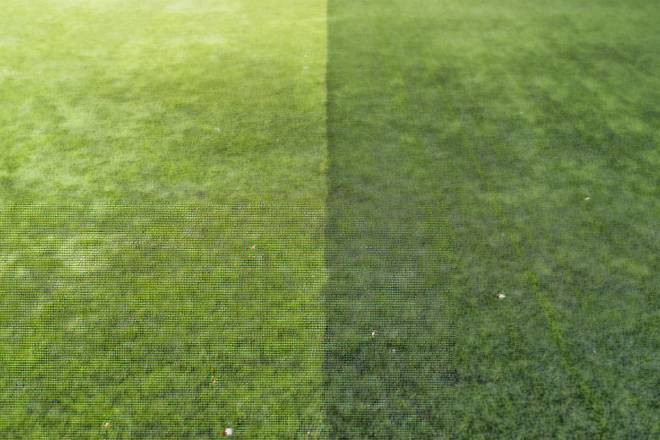
Choosing between artificial turf vs. natural grass football fields shapes how players move, how a field survives each season, and how a surface performs under constant use. This decision matters to coaches, school administrators, city planners, and private facility owners. Our team at Armor Courts works with many clients who want a field that looks great, plays well, and holds up through demanding schedules. The right choice depends on how the surface performs during real play, how it handles weather, and how much attention it needs to stay game-ready.
Football places heavy stress on a surface. Players sprint, pivot, collide, and stop with force. A field needs strength, consistency, and the right level of cushioning. When we help clients think about long-term performance, we look at durability, safety, maintenance needs, and financial planning. Each surface offers clear advantages, and each has areas that require careful thought before installation.
How Surface Consistency Impacts Player Performance
A field that offers predictable footing helps athletes move with confidence. Artificial turf creates uniform traction from one end to the other. Fibers stay even, infill settles into place, and the surface responds the same way throughout the season. This appeals to teams that host frequent practices and games because players do not deal with worn patches or soft spots.
Natural grass delivers a different playing experience. When it is healthy, freshly cut, and firm, grass offers a natural grip that many athletes appreciate. Cleats sink in slightly, which can support quick changes in direction. Healthy grass also carries a softer feel that reduces joint impact during long practices. The challenge comes when the weather or heavy use stresses the surface. Rain leads to muddy areas. Dry heat dries soil. Repeated games compact the turf and create uneven zones. Performance varies based on upkeep and climate.
Durability Across Seasons
Artificial turf maintains its structure across long seasons with heavy traffic. The surface does not thin out with use, and it does not need time to recover after a demanding game. This benefits facilities that host back-to-back practices across multiple teams. The consistent durability also helps organizations reduce downtime between events because the field stays playable in many conditions.
Natural grass has limits when stressed repeatedly. The field looks and plays best when it receives time to rest, recover, and grow. Teams that run daily drills or community programs may struggle to keep the grass healthy without significant care. Weather adds another challenge. Shaded areas grow more slowly. High-traffic routes wear down quickly. Grass still works well for programs that want a classic playing experience, but it demands steady attention to remain strong through the year.
How Weather Shapes Field Conditions
Weather creates some of the biggest differences between the two surfaces. Artificial turf drains well, resists puddles, and avoids the muddy footprints that form on natural grass after heavy rain. Games rarely need to pause due to field damage. Hot weather raises a different concern because turf absorbs and holds heat. Midday sun drives temperatures higher than natural grass. Many facilities manage this with hydration breaks, shaded rest zones, or scheduling adjustments.
Natural grass stays cooler under direct sunlight. Soil and live plant material do not absorb heat the way synthetic fibers do. This creates a comfortable feel during warm months. Rain, however, brings challenges. Heavy storms soften the field, create slick areas, and leave divots in the surface. Grounds crews need time to repair damage before the next event. Cold weather also affects growth. Dormant grass loses strength, which leads to thin patches late in the season.
Maintenance Requirements
Artificial turf reduces daily upkeep because it does not need watering, mowing, or fertilizing. Facilities still perform routine grooming to keep infill even and fibers upright. A well-maintained turf system holds its quality for many years. Owners often value the predictable care schedule because it supports consistent budgeting.
Natural grass needs ongoing attention to stay healthy. Crews manage irrigation, mowing, soil aeration, seeding, and fertilization throughout the year. Lines must be repainted often. Fields that host many games require even more care to prevent thinning. Facility maintenance is not a drawback when a program wants a traditional playing surface, but it requires planning, labor, and long-term commitment.
Safety Considerations for Players
Player safety influences every decision about a football field. Artificial turf gives athletes a stable footing and even support. Consistency reduces tripping hazards from holes or divots. Modern turf systems include shock pads that help reduce impact during falls. Heat remains a concern, so facilities often adjust schedules or cooling strategies during extreme temperatures.
Natural grass offers a soft, forgiving base when the field is in excellent condition. This can ease strain on ankles and knees during long practices. Safety declines when the surface develops ruts or uneven areas. Wet grass creates slippery zones that increase risks during high-speed play. Regular maintenance is vital for safe conditions.
Cost Over the Lifetime of the Field
Artificial turf carries a higher initial cost than natural grass. Installation involves base preparation, drainage work, and the turf system itself. Many owners view this as a long-term investment because the surface stays usable for many years with predictable care requirements. Savings over time come from reduced labor, no irrigation, and no annual replanting.
Natural grass fields cost less to install. The larger expenses appear in ongoing maintenance. Water usage, equipment, seed, fertilizers, and labor all contribute to long-term costs. Programs with tight budgets sometimes struggle to keep the grass in top shape without consistent funding. Grass remains a viable option for facilities that value tradition and have strong grounds teams.
Environmental Considerations
Artificial turf supports water conservation because it does not need irrigation. It also reduces chemical usage by eliminating herbicides and many fertilizers. The materials used to build turf systems require thoughtful planning for recycling or disposal at the end of their lifespan, and owners often work with suppliers who support sustainable practices.
Natural grass offers natural air-quality benefits and supports soil health when maintained responsibly. The main environmental challenge is resource use. Grass needs large volumes of water throughout the year. Fertilizers and weed treatments can run off during rain. Facilities that choose grass often adopt modern irrigation systems and organic methods to reduce environmental impact.
Which Option Fits Your Field Vision
Artificial turf supports heavy schedules, consistent performance, and predictable upkeep. Many schools, cities, and sports complexes choose turf when they expect year-round use and limited downtime. Natural grass appeals to programs that value a classic football experience with softer footing and a cooler playing surface. The best choice depends on climate, resources, and the volume of activity on the field. Our team at Armor Courts works with clients who want long-lasting, dependable sports surfaces, and we help them build a plan that matches their goals.
Why Field Construction Quality Matters
The type of field is only part of the equation. A well-built surface lasts longer, plays better, and stays safer for every athlete. Strong base preparation, proper drainage, and expert installation all shape how a field performs through the seasons. We bring over 15 years of combined experience to every project. This helps us guide clients toward a surface that fits their vision, budget, and long-term needs. Our craftsmanship supports durability, and our guarantee reflects our commitment to quality.
A Final Word from Armor Courts
Your field reflects your program’s identity. It shapes training, competition, and the experience players carry into every game. Our family-owned team builds and resurfaces courts and sports surfaces with pride. We deliver long-lasting results backed by a three-year guarantee on paint and a one-year guarantee on work. If you want a surface that supports athlete performance and stays dependable through heavy use, we would be glad to help you move toward your next project.
- Categories: Blog, Turf Installation
- Tags: pickleball court, sporting court construction, tennis court construction, tennis court repair
Hard Court Guide Download
Download a free copy of our Hard Court Maintenance & Repair guide
Free