
Armor Courts
Tennis Court Resurfacing | Athletic Court Construction | Court Contractors/Builders

How To Resurface A Tennis Court
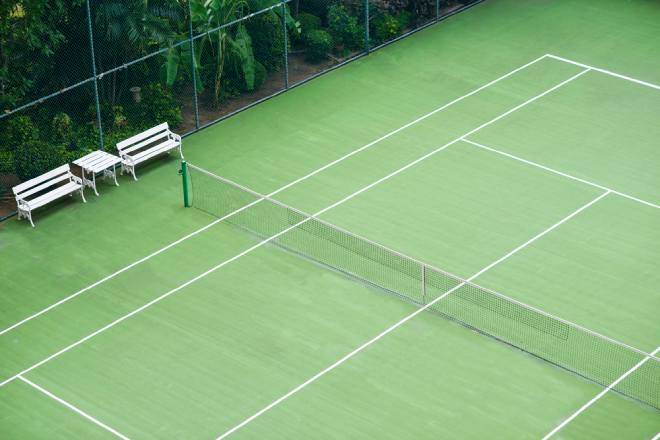
A tennis court plays a larger role than many people realize. Surface condition affects movement, ball response, and player confidence every time someone steps onto the court. Outdoor exposure and repeated play slowly wear down even well-built courts. Property owners often search for reliable guidance on how to resurface a tennis court without running into unclear or risky advice. This article explains what resurfacing involves, how to recognize the right timing, and why professional methods shape long-term results.
What Tennis Court Resurfacing Actually Means
Resurfacing focuses on restoring the top playing layer while keeping the existing court base in place. The work targets traction, surface texture, color consistency, and line clarity rather than structural rebuilding. Courts experience gradual surface fatigue from weather and repeated play, which resurfacing is designed to correct. Specialized materials and controlled application methods are required to achieve consistent performance. This process differs greatly from cosmetic touch-ups or temporary surface fixes.
Signs Your Tennis Court Needs Resurfacing
Early surface wear often develops slowly and quietly. Hairline cracking may appear along high-traffic zones or near existing seams. Color fading reduces contrast and makes court lines harder to see during play. Slick areas can form after moisture exposure, increasing slip risk. Changes in ball bounce or footing usually signal that the surface has reached the point where resurfacing should be evaluated.
What Goes into the Tennis Court Resurfacing Process
Professional resurfacing follows a planned sequence that supports surface stability and performance. Preparation begins with cleaning to remove debris, organic growth, and buildup that interfere with adhesion. Surface cracks and defects are treated using systems designed to manage movement. Low areas are corrected to improve water flow and reduce pooling. Acrylic coatings are installed in layers to rebuild texture and grip. Fresh line striping completes the surface once curing is finished.
Materials Used in Professional Tennis Court Resurfacing
Modern outdoor courts rely on acrylic surfacing systems designed for athletic use. These systems include resurfacer blends, textured color coatings, and durable line marking paints. Some installations incorporate cushioned layers to reduce impact stress during play. Material selection depends on usage patterns, climate exposure, and performance expectations. Quality materials play a major role in surface lifespan and consistent play conditions.
How Climate and Usage Affect Resurfacing Results
Environmental conditions strongly influence how resurfaced courts perform over time. Heat and sun exposure affect coating wear and color retention. Rainfall and humidity influence curing conditions and moisture control. Courts with frequent daily use experience faster surface fatigue than lightly used spaces. Planning resurfacing around weather conditions and usage demands helps support better results and longer surface life.
Why Understanding How to Resurface a Tennis Court Does Not Mean Doing It Yourself
Learning how resurfacing works provides a helpful perspective, yet the work itself carries real risks. Surface preparation errors can lead to trapped moisture or unstable coatings. Incorrect material application affects traction and creates uneven texture. Drainage mistakes often remain hidden until surface failure accelerates. Professional resurfacing protects the court by addressing these challenges with proper equipment, experience, and controlled processes.
How Long a Resurfaced Tennis Court Should Last
Surface lifespan is shaped by how the court is used and the environment it lives in. Courts that host frequent daily play will experience surface wear faster than those used seasonally or recreationally. Sun exposure, rainfall patterns, and temperature swings also influence how coatings age over time. A properly resurfaced court commonly delivers consistent play for several years when routine cleaning and periodic inspections are part of regular care. Catching small changes early helps prevent surface fatigue from turning into larger performance issues.
Bringing Your Tennis Court Back to Peak Performance
Every section above points to one clear truth. Tennis court resurfacing protects safety, restores play quality, and extends the life of your court when handled the right way. Understanding surface wear, materials, climate impact, and professional processes helps you make informed decisions without risking costly mistakes. At Armor Courts, we handle tennis court resurfacing using professional acrylic systems, structured preparation, and surface expertise built through years of experience. Beyond resurfacing, we also support court repairs, maintenance programs, and multipurpose court solutions that help properties manage performance long after resurfacing is complete. Our goal stays focused on results that feel right underfoot and perform consistently through daily play and changing conditions.
If your tennis court shows signs of wear or inconsistent performance, we are ready to help. Contact us today to schedule a professional evaluation and discuss resurfacing or maintenance options designed for long-term reliability.
- Categories: Blog, Court Resurfacing
- Tags: pickleball court, sporting court construction, tennis court construction, tennis court repair
Hard Court Guide Download
Download a free copy of our Hard Court Maintenance & Repair guide
Free