
Armor Courts
Tennis Court Resurfacing | Athletic Court Construction | Court Contractors/Builders

How Much Does It Cost To Install A Pickleball Court?
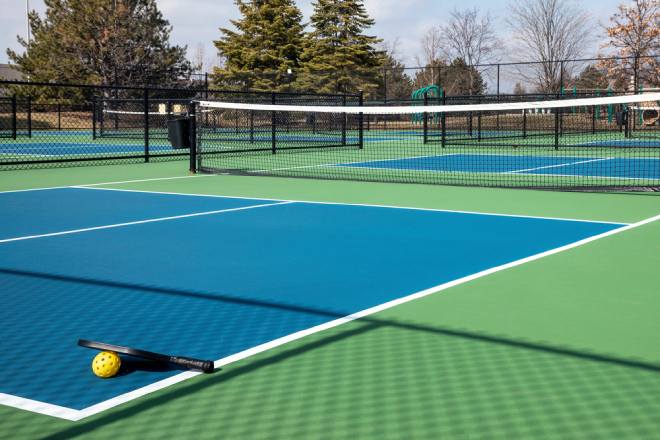
Installing a pickleball court often starts with one simple question about price. Homeowners, communities, and property managers want clear numbers before planning a project. The cost to install a pickleball court can vary widely because no two sites or goals are the same. Factors like location, materials, and design choices all shape the final investment. This guide breaks down average pricing and explains what drives costs higher or lower. Our goal is to help you plan with confidence and avoid surprises as you explore your options before moving forward today.
Average Cost to Install a Pickleball Court
Many people are surprised by how wide the pricing range can be once real-world factors come into play. For a standard outdoor court, most projects fall between thirty thousand and fifty thousand dollars, with many private installations landing closer to the middle of that range. This number typically covers base construction, surface coating, regulation striping, and a basic net system. Larger budgets usually reflect upgraded surfaces, added features, or challenging site conditions rather than unnecessary extras. Understanding the average cost to install a pickleball court helps you set realistic expectations before evaluating design choices or optional upgrades and plan a budget that aligns with long term use, local conditions, and how often the court will be enjoyed by family, guests, or community players over time without stress or surprises.
Site Preparation Costs and Land Conditions
Before any surface work begins, the condition of the land plays a major role in overall pricing. Flat, stable ground requires less labor, while sloped or uneven areas call for grading, excavation, and compaction. Soil quality also matters since weak or shifting soil may need reinforcement to support the court base. Drainage planning adds another layer, especially in areas with frequent rain, where standing water can damage surfaces over time. Removing existing concrete, asphalt, or landscaping can increase costs as well. These preparation steps protect the court from cracking and premature wear. Although site work happens early, it influences performance and maintenance for years. Factoring these conditions into your plan helps avoid shortcuts that often lead to repairs later during long-term use by owners.
Pickleball Court Base Construction Options
Choosing the right foundation shapes how a court performs and how long it lasts under regular play. Asphalt and concrete are the two most common base options, and each comes with distinct cost and durability differences. Asphalt typically costs less upfront and installs faster, though it may require resurfacing sooner due to weather movement and natural wear. Concrete carries a higher initial price, yet it offers greater structural stability and a longer service life with fewer surface issues. The base decision affects future maintenance, surface consistency, and total ownership cost, making it a practical choice that should align with climate conditions, usage level, and long-term expectations for residential properties and shared facilities seeking predictable play quality and controlled maintenance planning over many seasons ahead.
Court Surface Materials and Performance Considerations
Surface choice influences both comfort and budget more than many people expect. Acrylic coatings remain the most common option because they deliver consistent ball response and clear line visibility, while cushioned systems add layered support that reduces joint strain during longer sessions. Modular sport flooring offers another path for faster installs or courts built over existing slabs, and each surface varies in heat retention, texture, and maintenance needs that affect long term value. Climate exposure also matters since the sun and moisture change how materials age over time. Selecting a surface should balance play style, frequency of use, and maintenance tolerance so performance stays predictable year after year for players seeking reliable play and manageable upkeep with consistent results for owners.
Additional Features That Affect Total Cost
Beyond the playing surface, added features can shift the final budget in noticeable ways. Fencing often becomes a priority for safety and ball control, and height or material choice changes pricing. Lighting expands usable hours and adds electrical work that varies by layout and brightness needs. Proper drainage systems protect the court during heavy rain and reduce surface stress over time. Nets, posts, and windscreens may seem minor, yet quality hardware improves play and durability. Color selections, custom striping, and logo markings raise labor time as well. Each addition should match how the court will be used, so money goes toward function rather than options that see little real value. Thoughtful planning keeps upgrades aligned with budget and usage goals.
Residential vs. Commercial Pickleball Court Pricing
Private installations and shared facilities approach budgeting very differently because usage demands, access control, and long-term expectations rarely align across different ownership scenarios. Residential courts usually prioritize personal enjoyment, lighter traffic, and flexible layouts that help homeowners control costs without sacrificing play quality during everyday recreational use. Commercial and community courts must plan for higher play volume, stricter safety standards, formal permitting, and surfaces built to handle constant wear over time. These projects often require stronger base construction, reinforced fencing, and lighting systems designed to support extended daily schedules across public or shared recreation spaces. Knowing how purpose and scale affect pricing allows you to plan realistically and avoid underestimating total investment for your specific property or organization’s needs.
Turn Clear Cost Insights into a Court You Will Enjoy
Planning a pickleball court becomes easier once pricing drivers are clear. Average installation ranges depend on site preparation, base construction, surface materials, and added features that support how you play. Residential and commercial projects differ because usage levels and durability needs are rarely the same. Looking at these factors together helps you move past rough estimates and toward realistic planning. A well-planned court delivers consistent play, predictable maintenance, and long-term value that matches how often the space will be used.
Our team specializes in pickleball court construction and resurfacing for homes, schools, and shared facilities. We handle site evaluation, base work, surfacing systems, striping, and upgrades like fencing or lighting. As a family-owned business with more than fifteen years of combined experience, we focus on surface quality and reliable results. Our work is backed by a three-year paint guarantee and a one-year workmanship guarantee. We also provide maintenance support to help courts perform well season after season.
Contact us today to plan your pickleball court.
Hard Court Guide Download
Download a free copy of our Hard Court Maintenance & Repair guide
Free