
August 4, 2026
A Guide To Grass Tennis Court Construction
Quick Summary
There is something timeless about the sound of a ball striking grass rather than hard acrylic, a nod to the earliest days of the sport at Wimbledon and beyond.Grass tennis court construction is a specialized undertaking that appeals to homeowners and clubs who want a classic playing experience, though it comes with different demands than hard or clay surfaces. Understanding what building a grass tennis court actually involves helps set realistic expectations before the first blade is planted.
Grass courts require careful soil preparation, drainage planning, and ongoing turf management that hard courts simply do not. This guide walks through what goes into a proper grass tennis court, from ground preparation to long-term care.
What Makes Grass Tennis Court Construction Different
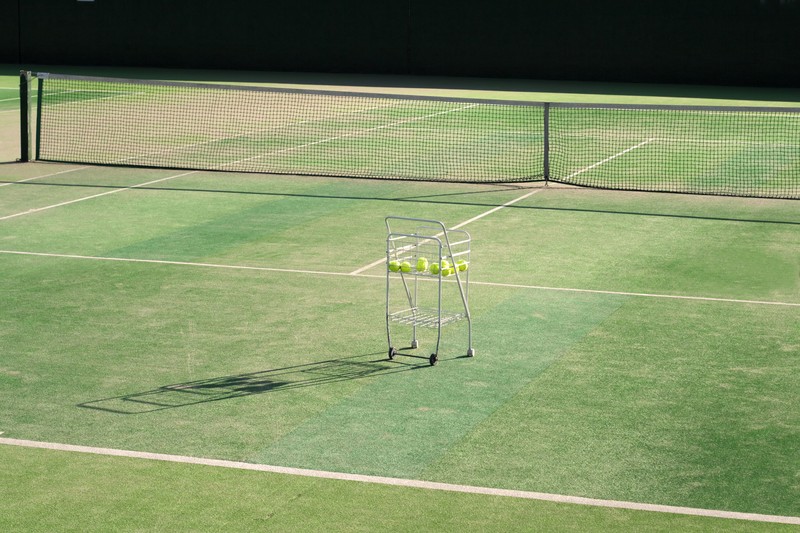
Unlike acrylic or clay surfaces, a grass tennis court relies on a living playing surface, which means the construction process starts well below ground. Soil composition, subsurface drainage, and irrigation systems must all be engineered precisely, since grass courts are extremely sensitive to moisture levels. Too much water leads to soft, slow play, while too little causes bare patches and uneven bounce.
Most grass courts use a blend of fine fescue and ryegrass, chosen for density and wear resistance. The grading process is also more exacting than with a hard surface, since even a slight slope affects how the ball rolls and how water drains after rain.
Building a Grass Tennis Court Step By Step
Construction typically begins with excavation and installation of a layered drainage system, often using gravel and sand beds beneath the topsoil. From there, the turf is seeded or laid as sod, followed by a lengthy establishment period before the court can handle regular play. This process can take considerably longer thantennis court construction using hard court materials, so patience is part of the investment.
Fencing, net posts, and boundary lines are installed once the grass has matured enough to support foot traffic. Because grass courts are naturally softer, some owners also explore aclay court as a comparable alternative that offers a similar slower playing style with less maintenance intensity.
Maintenance Realities of Grass Courts
Grass courts demand more upkeep than any other surface type. Regular mowing to precise heights, aeration, overseeding, and consistent irrigation are all part of keeping the court playable. Many club owners schedule seasonal closures for renovation, since heavy play compacts soil and wears down turf density over time.
For property owners who want the character of grass without the intensive maintenance schedule, exploringtennis court resurfacing options on an existing hard court can offer a middle ground with a softer playing feel through specialized coatings.
Cost and Long-Term Considerations
Grass tennis court construction generally carries a higher long-term cost than hard court alternatives once ongoing maintenance is factored in. However, for clubs and estates seeking an authentic, traditional playing surface, the investment often pays off in prestige and player experience.
Our team at Armor Courts has guided clients through comparingtennis clay vs. hard court options to help determine which surface truly fits their goals and budget.
Site Selection and Drainage Planning
Choosing the right location is one of the most important decisions before grass tennis court construction begins. The site should have suitable soil conditions, adequate sunlight, dependable drainage, and enough surrounding space for fencing and player circulation. Grass needs consistent growing conditions, while standing water can quickly damage the turf and create uneven playing conditions.
Builders should evaluate existing grades, soil composition, groundwater patterns, and irrigation requirements before finalizing the court location. Proper site planning helps create a foundation that supports healthy turf growth while reducing drainage problems and costly corrections later.
Irrigation and Turf Management
A dependable irrigation system plays an important role in keeping a grass tennis court healthy throughout the playing season. Water must reach the turf consistently without creating saturated areas that soften the surface or encourage disease.
Automated irrigation systems can help maintain consistent moisture levels, although schedules still need adjustments based on rainfall, temperature, and seasonal growing conditions. Regular mowing, fertilization, aeration, and overseeding also contribute to a dense playing surface capable of handling repeated foot traffic.
Property owners should establish turf management routines before opening the court because neglected grass can deteriorate quickly under concentrated athletic use.
Preparing for Seasonal Court Closures
Grass tennis courts typically require periods of restricted use so the turf can recover from intensive play and seasonal stress. During renovation periods, maintenance crews may aerate compacted areas, overseed worn sections, adjust irrigation, and restore damaged turf before the next playing season begins.
Scheduling these closures requires coordination between maintenance needs and the property’s expected playing calendar, especially for private clubs with frequent tournaments or organized activities.
Planning seasonal restoration in advance helps preserve consistent court conditions and gives the grass enough time to recover before regular play resumes.
Why Work With Experienced Builders
Grass court construction is not something every contractor handles well, since it blends landscaping expertise with precise athletic surface engineering. Armor Courts brings hands-on experience across multiple surface types, backed by a three-year guarantee on paint and a one-year guarantee on workmanship for every project we complete. For a closer look at our approach to surface specifications, ourtennis court construction specifications guide breaks down the technical side in more detail.
If a grass court fits your vision,connect with our team to talk through soil conditions, drainage needs, and a realistic project timeline.
Frequently Asked Questions
Between excavation, drainage installation, and turf establishment, grass courts typically take several months longer to complete than hard court projects.
Yes, grass courts require frequent mowing, irrigation, and seasonal renovation, making them more maintenance-intensive than acrylic or clay surfaces.
Most grass tennis courts use a blend of fine fescue and ryegrass for their density, durability, and resistance to heavy foot traffic.
Soil composition and drainage capability matter significantly, so a site assessment is necessary before committing to grass court construction in a given location.
It depends on maintenance tolerance and playing style preference, since clay offers a similar slower game with comparatively lower upkeep demands.