
Building A Proper Running Track: How Long Will It Take?
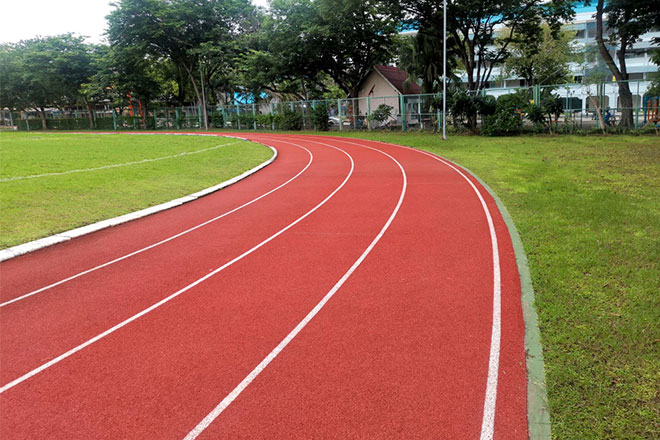
Constructing a running track is an exciting project that can offer both functionality and beauty. However, the process can vary depending on several factors, such as size, design, and site conditions. If you are considering building a running track for your school, community, or even in your own backyard, you may wonder: How long does it take to build a running track?
Site Preparation and Planning
The first step in building a running track is proper planning and site preparation. The project can take longer if the site requires significant clearing or grading. These preliminary tasks help set the foundation for the track, and while the duration can vary based on location, they are vital for creating a level surface. If you are building a track in your backyard, consider the size of the area and the potential need for excavation for a proper layout.
In addition to grading, proper drainage planning is required to prevent water accumulation, which can damage the track surface. If this aspect is overlooked, it may cause delays. The complexity of this stage will influence how long the track construction process will take.
The Track Construction Process
Once the site is prepared, the actual track construction begins. The process typically includes the installation of the base layer, followed by the application of asphalt, and finally, the application of the track’s surface. Track construction generally takes about 3 to 5 weeks for standard running tracks, depending on the complexity and weather conditions. A running track’s surface must be properly applied and cured for durability, which means waiting for the right conditions before work can proceed.
For residential projects like building a track in your backyard, the timeline will be much shorter. You can expect this type of track to take around two to three weeks. However, depending on the materials used and if the track needs specialized surfacing, the process may extend further.
Track Size and Design Considerations
The size of the running track plays a significant role in determining how long it takes to complete. Standard high school tracks are typically 400 meters, but custom designs may require more time to build. Additionally, adding extra features like curves or multi-lane configurations can impact the construction timeline. While larger commercial tracks take longer, a small backyard track requires less time and labor, making it ideal for those looking for quicker results.
If you are concerned about the space you have, it is important to remember that tracks can be adjusted to fit your available land. For example, a smaller track may be built to accommodate a 200-meter course, taking less time than a full-sized track.
Weather and External Factors
One of the most unpredictable elements when building a running track is the weather. Adverse conditions, such as heavy rain or freezing temperatures, can delay the project significantly. These weather conditions can affect the curing time of the track surface and make it unsafe to proceed with work. If you are building a track during a season that typically experiences inclement weather, such as winter or spring, it is important to factor in potential delays.
In ideal conditions, the construction process moves smoothly. However, if you are planning the track on a tight timeline, the weather could impact how soon you can start using it. It is always best to plan for some flexibility in your schedule when considering construction timeframes.
Get Started with Your Track Construction Today
If you are looking to get started on your own track project, Armor Courts is here to help. With over 15 years of experience in sports court construction and resurfacing, we can guide you through every step of the process. Contact us to discuss your track construction needs for your school, community, or backyard project.