
4 Questions To Ask Before Installing Artificial Turf For Sports
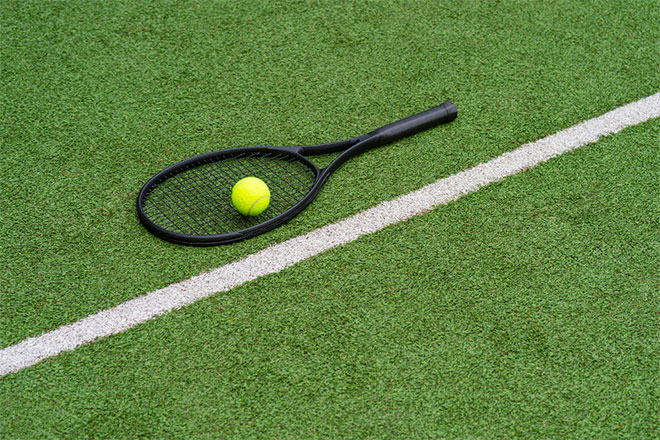
Artificial turf offers many benefits for sports fields, but before making an investment, it is important to ask the right questions. Understanding the implications of artificial turf installation can help with long-term performance and safety. Here are four important artificial turf questions to consider when planning for turf field installation.
What Type of Turf Is Best for My Sport?
Different sports require different levels of durability and comfort from turf surfaces. For instance, football and soccer fields need strong turf that can handle intense foot traffic and rapid changes in direction. It is important to select a turf type that can endure these demands while maintaining optimal playability throughout the seasons.
Consulting with a professional in turf fields installation is key to selecting the right turf. They can recommend the best product based on the type of sport and how frequently the field will be used. A good installer will also consider factors like weather conditions and the specific needs of athletes to recommend the ideal option for your field.
How Will the Turf Affect Performance and Safety?
Artificial turf is designed to create a consistent playing surface, but some materials may cause performance issues or increase the risk of injury. Certain types of turf may be too slippery or abrasive, making it difficult for athletes to maintain traction and balance. It is best to assess the turf’s impact on both performance and safety before installation.
Turf that is not installed properly or is of poor quality can also create hazardous conditions. It is important to discuss artificial turf hazards with your installer. Make sure the installer takes steps to prevent these potential issues, creating a safer environment for athletes.
What Is the Maintenance Like?
While artificial turf requires less maintenance than natural grass, it still needs periodic care to keep it in top condition. Turf surfaces may need to be brushed regularly to prevent the fibers from matting and infill from settling. Proper maintenance is also important to avoid damage and make sure the turf remains functional and safe for use.
Additionally, cleaning artificial turf involves more than just brushing. Depending on usage, the turf may need occasional deep cleaning or the replacement of infill to maintain its performance. Be sure to ask your installer about the specific maintenance requirements and how to do artificial turf upkeep effectively.
What Are the Environmental Impacts?
Artificial turf offers benefits such as water conservation, but it can have environmental downsides as well. For example, the synthetic materials may increase the heat retention of the field, leading to higher temperatures during warmer months. Understanding how the turf will impact the local environment is key to reaching sustainability.
Another environmental consideration is drainage. While artificial turf does not require watering, it may affect water runoff, especially in areas with heavy rainfall. Ask your installer about the drainage system they plan to incorporate, allowing water to flow properly and minimizing potential flooding.
Considerations for a Long-Term Investment in Artificial Turf
When considering the installation of artificial turf, it is important to take both the immediate benefits and long-term maintenance into account. The four questions discussed in this article will guide you toward a safer, more efficient installation. Be sure to choose a professional installer who will work with you to achieve the best outcome for your field.
At Armor Courts, we specialize in turf field installation that maximizes both performance and safety. Contact us today to learn more about our artificial turf solutions.